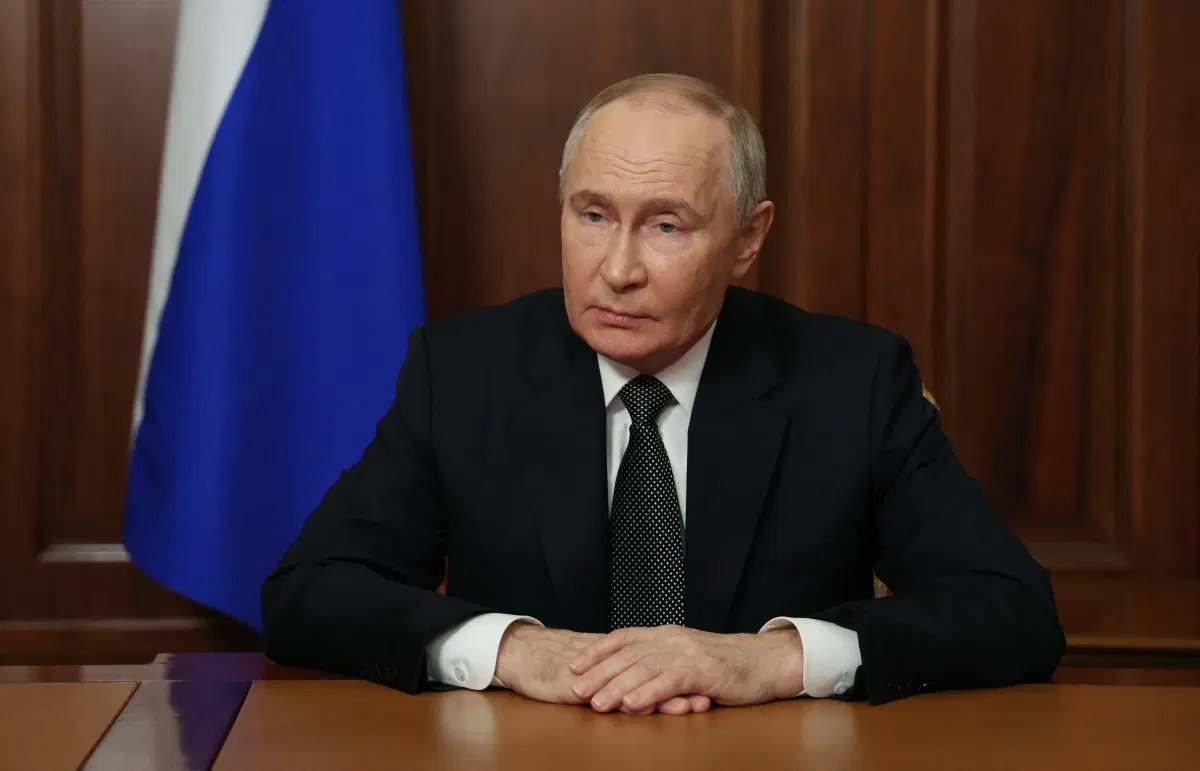
As Russia grapples with a dwindling domestic workforce, the Kremlin has declared that migrants are crucial for the nation’s economic growth and development. Speaking to the state news agency RIA Novosti, Kremlin spokesman Dmitry Peskov emphasized on Friday that migration is not just beneficial but a “necessity” for the world’s largest country by landmass.
“We face a tense demographic situation,” Peskov said. “We live in the largest country in the world, but there aren’t that many of us.”
The remarks come as Russia continues to battle a demographic crisis that has roots in the Soviet era but has been exacerbated by recent challenges, including the ongoing conflict in Ukraine. Earlier this week, the Russian parliament passed a law banning “child-free propaganda,” a move aimed at encouraging families to have more children in an effort to combat the nation’s shrinking population.
Labour Shortage and Migration Needs
The Kremlin’s call for migrants aligns with Russia’s pressing need for a robust labour force to sustain its ambitious development projects. Peskov underscored that migration policies are a key component of the country’s strategy to address its demographic and economic challenges.
Despite this official stance, anti-migrant rhetoric remains pervasive in Russian society. Labourers from Central Asia, particularly those from former Soviet republics, often face discrimination and hostility, even as they fill critical roles in industries such as construction and agriculture.
Declining Birth Rates and Population Concerns
Russia’s demographic crisis has deepened over the years. In July, the Kremlin acknowledged the country’s low population as “disastrous for the future of the nation.” Efforts to reverse the trend, including financial incentives like generous payouts and mortgage subsidies for large families, have seen limited success.
Recent figures illustrate the gravity of the situation. According to Rosstat, Russia’s national statistics office, the fertility rate in 2023 stood at 1.41 births per woman—well below the 2.0 threshold required to maintain the population. Between January and September this year, only 920,200 babies were born, marking a 3.4% decline compared to the same period in 2022 and the lowest birth numbers since the 1990s.
Contributing Factors
Several factors have compounded Russia’s demographic challenges. The country has experienced a high mortality rate due to Covid-19, while the war in Ukraine has led to the exodus of hundreds of thousands of men fleeing conscription.
The Kremlin has expressed concern about these trends but remains optimistic that migration can help offset the labour shortfall. “We need a labour force to ensure dynamic development,” Peskov stated.
As Russia navigates these demographic hurdles, its policies on migration and family incentives are set to play a pivotal role in shaping the nation’s future.