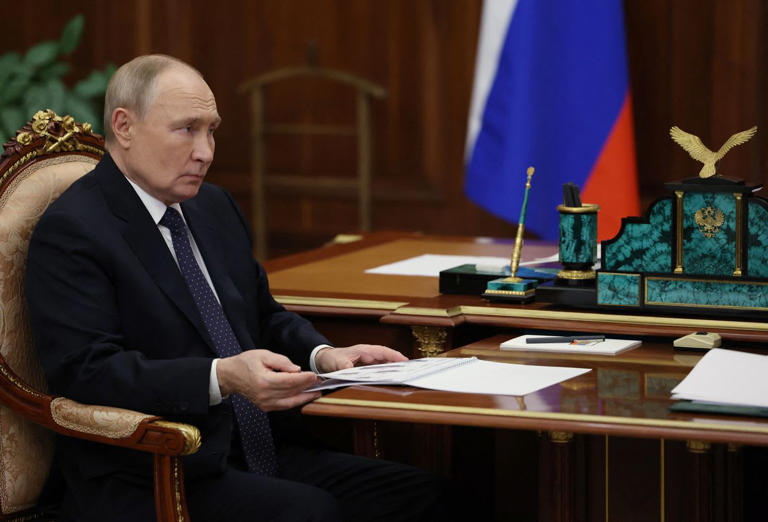
Russian President Vladimir Putin has signed a law prohibiting the adoption of Russian children by citizens of countries that permit gender transition. The legislation, published on the government’s legal information website on November 23, targets at least 15 nations, including Australia, Argentina, Canada, and several European countries.
This adoption ban is part of a broader legislative package emphasizing what Russia terms “traditional values.” On the same day, Putin approved laws penalizing the promotion of child-free lifestyles, with fines reaching up to 5 million rubles (approximately $50,000). Authorities argue such messaging aligns with a “Western agenda” they claim undermines Russian society.
Deepening Cultural Divide
These measures mark the latest in a series of legal and social restrictions reflecting Putin’s increasingly critical stance on Western liberal ideologies. The president has positioned himself as a defender of conservative values, denouncing Western norms as a threat to Russia’s cultural and moral fabric.
Over the past year, the Russian government has intensified its crackdown on LGBTQ+ rights. Gender-transition procedures have been outlawed, the dissemination of LGBTQ+ information has been banned, and in November 2023, the Supreme Court declared the international LGBTQ+ movement “extremist.”
This ruling, initiated by the Justice Ministry, accused the movement of inciting social and religious discord, effectively criminalizing all forms of LGBTQ+ activism. Critics warn that these actions place the LGBTQ+ community in Russia at significant risk, exacerbating already harsh restrictions on their rights and freedoms.
Adoption Ban Reflects Broader Policy Shifts
The new adoption law underscores Russia’s commitment to restricting Western influence, particularly on family and gender-related issues. Supporters of the law argue it safeguards Russian children from exposure to values deemed incompatible with the country’s traditions. However, critics see it as another step in Russia’s isolation from global norms and a further erosion of individual freedoms.
By framing child-free advocacy and LGBTQ+ activism as part of a broader Western cultural invasion, the Kremlin continues to promote its vision of a “moral” Russia. “These laws are not just about policy—they are a clear statement against what the Kremlin perceives as Western decadence,” said a political analyst in Moscow.
Escalating Crackdowns Amid War
The intensification of cultural and social restrictions parallels Russia’s ongoing war in Ukraine, which has bolstered nationalist rhetoric and curtailed dissent. Independent media, activists, and opposition figures have faced increasing repression since the conflict began in February 2022.
Observers note that the Kremlin’s focus on traditional values aims to consolidate domestic support by appealing to conservative constituencies. However, these policies have drawn sharp criticism from human rights organizations and Western governments, further straining Russia’s already fraught international relations.
As these laws come into effect, their impact on Russian society, the LGBTQ+ community, and international adoption efforts will continue to unfold, underscoring the growing ideological chasm between Russia and much of the Western world.