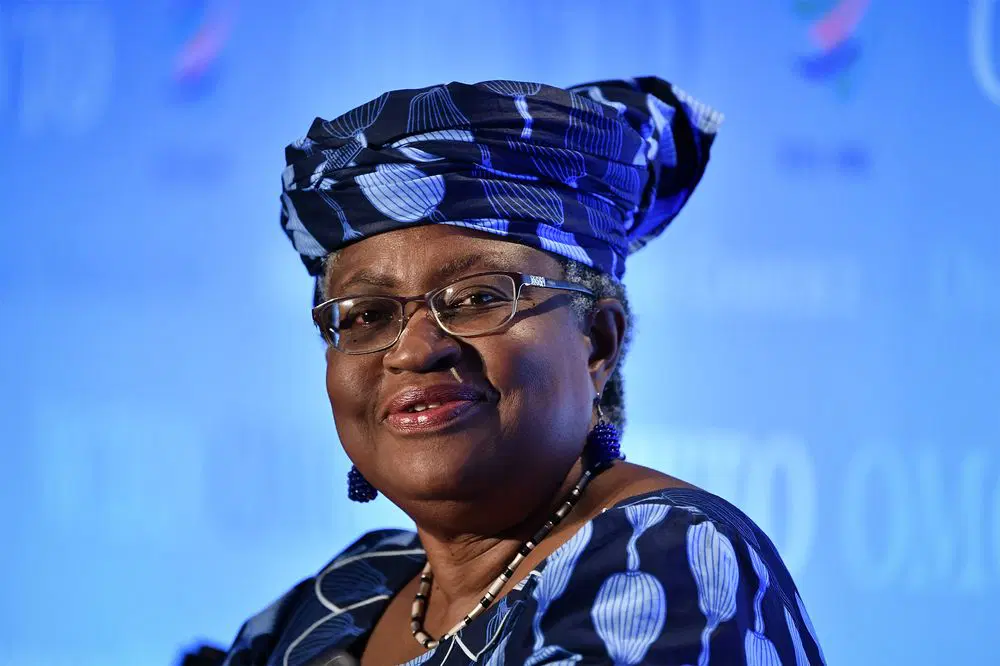
The World Trade Organization (WTO) has reappointed Ngozi Okonjo-Iweala as its Director-General, extending her tenure for a second term in a unanimous decision by the organization’s 166 member states. The announcement, made on Friday, positions the Nigerian economist to continue leading the WTO through a period of heightened global trade tensions and challenges.
Historic Reappointment
Okonjo-Iweala, the first woman and first African to helm the WTO, was the sole candidate for the position. Her reappointment, approved by consensus at a closed-door meeting of the General Council, was expedited at the request of African member states. Her current term ends in August 2025, but the swift process ensures she remains in office without interruption.
The move, according to insiders, was partly motivated by concerns about the possible return of Donald Trump to the U.S. presidency. During his first term, Trump stalled Okonjo-Iweala’s initial appointment and undermined the WTO by disabling its appellate body and threatening U.S. withdrawal.
“African nations pushed to accelerate the process, partly to avoid potential vetoes from a Trump-led administration, as was the case four years ago,” said Keith Rockwell, a senior research fellow at the Hinrich Foundation and former WTO spokesperson.
Global Support and Strategic Moves
While Okonjo-Iweala’s leadership has garnered significant respect, her reappointment also reflects pragmatic considerations among WTO members. A source close to the discussions revealed that many countries feared a leadership vacuum at the organization’s helm amid escalating trade disputes.
“The alternative of having no one leading the organization is unacceptable,” the source said.
Her swift reappointment, however, is not without tensions. Observers note that this could strain relations with the United States, which has been critical of the WTO under both Democratic and Republican administrations.
Challenges Ahead
Okonjo-Iweala’s renewed mandate comes at a critical juncture for the WTO. Trade rules are increasingly being challenged, with major economies employing unilateral measures under the guise of national security, environmental concerns, and re-industrialization efforts.
The potential return of Trump to the White House exacerbates these challenges. He has already signaled intentions to launch aggressive trade measures, including tariffs on China, Canada, and Mexico.
“Elvire Fabry, a researcher at the Institut Jacques Delors, described the WTO chief’s role as akin to a ‘firefighter,’ tasked with preserving multilateral trade rules amidst a storm of unilateral actions.”
In addition to external pressures, Okonjo-Iweala faces mounting calls for internal reforms within the WTO, particularly the revival of its appellate dispute settlement system, which collapsed during Trump’s presidency.
Leadership Vision
Since her appointment in 2021, Okonjo-Iweala has sought to revitalize the WTO, emphasizing its role in addressing global challenges such as climate change and health. Despite these efforts, experts caution that the path forward will be arduous.
“Governments are increasingly prioritizing national agendas over global commitments,” said Dmitry Grozoubinski, author of Why Politicians Lie About Trade. “This poses a significant challenge to the WTO’s relevance and effectiveness.”
As she begins her second term, Okonjo-Iweala’s leadership will be tested in navigating these complex dynamics and ensuring the WTO remains a cornerstone of global trade governance. Her ability to rally member states around reforms and multilateral solutions will define the organization’s future amid the shifting landscape of international trade.