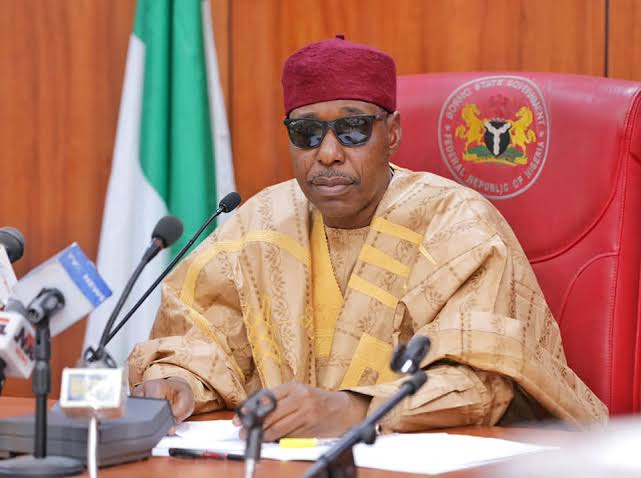
Borno State Governor, Babagana Zulum, has voiced strong reservations about the proposed tax reforms being championed by President Bola Tinubu, cautioning that their current structure could disproportionately benefit Lagos State at the expense of other regions.
Speaking during an interview on Channels Television on Sunday, Zulum warned that if the bills are passed into law without necessary adjustments, there could be significant consequences for the Nigerian populace, particularly for states outside Lagos.
Zulum clarified that his opposition to the proposed reforms was not a challenge to President Tinubu’s administration but a call for fairness and inclusivity in the nation’s tax system.
“We respect the president’s authority and leadership,” Zulum said. “However, if the president decides to leverage his power to push these tax bills through the National Assembly without adequate consultation or revisions, it will have consequences for the people.”
Tax Bills Stir Controversy
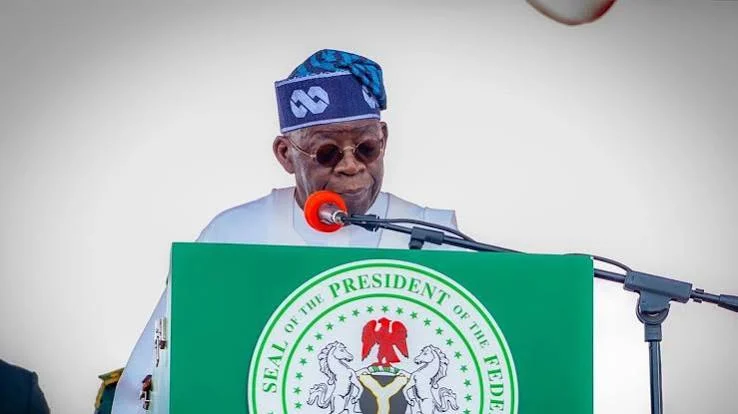
In October, President Tinubu submitted several tax-related bills to the National Assembly, including:
- The Joint Revenue Board of Nigeria (Establishment) Bill, 2024 (SB.583).
- The Nigeria Revenue Service (Establishment) Bill, 2024 (SB.584).
- The Nigeria Tax Administration Bill, 2024 (SB.585).
- The Nigeria Tax Bill, 2024 (SB.586).
While these bills aim to overhaul the nation’s tax system, critics argue that the proposed structure could centralize the majority of Value Added Tax (VAT) revenue in Lagos State, Tinubu’s political base. This has drawn backlash from state governors, including Zulum, who insist the reforms require more input to address regional disparities.
Call for Democratic Consultations
Governor Zulum emphasized the need for broader consultations with stakeholders before the bills proceed further. “In the spirit of democracy, we must ensure that all voices are heard and that these reforms do not unfairly disadvantage other parts of the country,” he said.
Despite the opposition, the Senate has already passed the bills for a second reading, signaling progress towards their eventual enactment.
A Delicate Balancing Act
Zulum’s stance highlights the growing tension between regional leaders and the federal government over fiscal policies that could reshape the distribution of national revenue. He reiterated that governors are not against Tinubu’s administration but are advocating for equitable reforms that reflect Nigeria’s diversity and federal structure.
As the debate over the tax bills intensifies, the spotlight remains on the president and lawmakers to find a compromise that serves the nation’s collective interests.