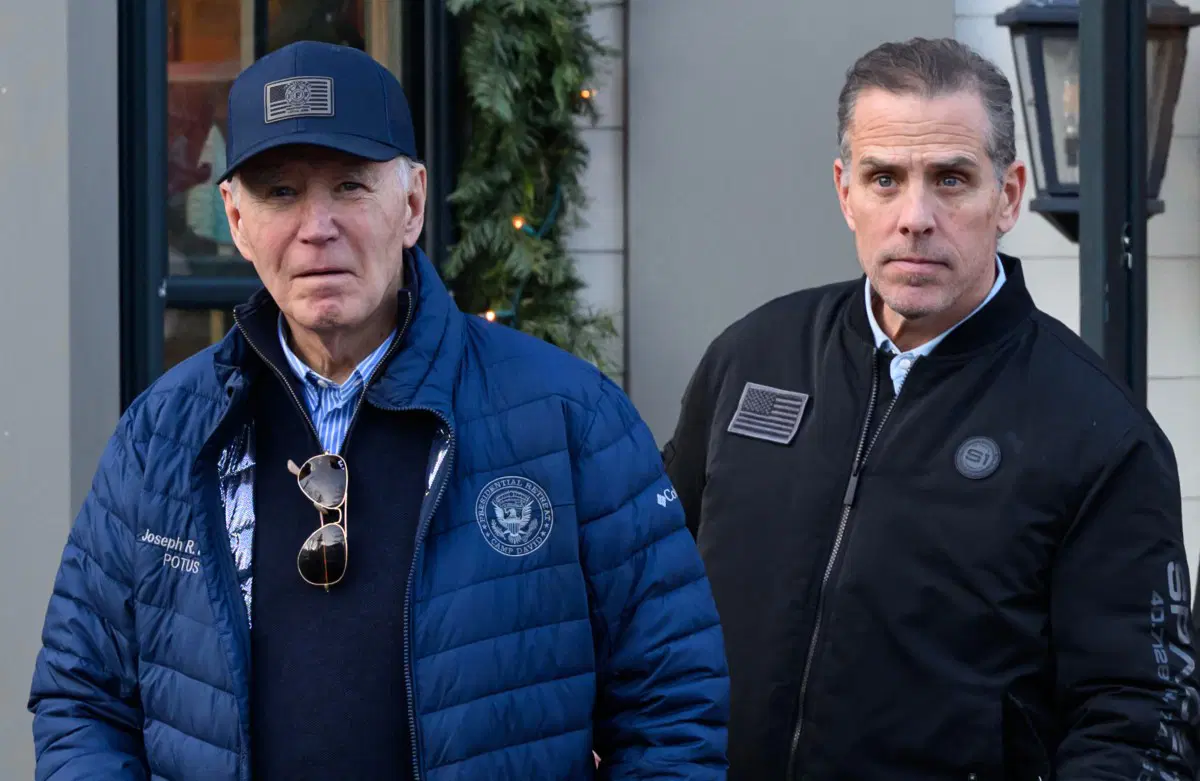
In a highly controversial decision, U.S. President Joe Biden issued an official pardon for his son, Hunter Biden, on Sunday, just weeks before leaving office. The move comes after Hunter faced criminal convictions for lying about drug use on a gun purchase form and tax evasion charges, sparking debates over judicial independence and political influence.
Biden Defends Pardon Decision
President Biden, who had repeatedly vowed not to intervene in his son’s legal battles, explained his decision in a public statement. “No reasonable person who looks at the facts of Hunter’s cases can reach any other conclusion than that Hunter was singled out only because he is my son — and that is wrong,” he said.
The president argued that Hunter’s legal troubles were a product of political targeting by his opponents, emphasizing, “Raw politics has infected this process, and it led to a miscarriage of justice.”
Hunter Biden, convicted earlier this year, faced up to 25 years in prison for the gun charge and 17 years for tax evasion. He had paid his back taxes and associated penalties but saw a plea deal fall apart at the last minute, leaving him vulnerable to severe sentencing.
Pardon Fuels Partisan Debate
The pardon has intensified criticism from Republicans, who accuse the Biden administration of protecting Hunter while ignoring the legal system’s impartiality. GOP leaders have long alleged that Hunter was receiving lenient treatment due to his familial ties, particularly during this election year.
President-elect Donald Trump took to social media to slam the pardon, stating, “Does the pardon given by Joe to Hunter include the J-6 hostages, who have now been imprisoned for years? Such an abuse and miscarriage of justice!”
Historical Context of Presidential Pardons
Presidential pardons for family members are not unprecedented. Bill Clinton pardoned his half-brother for old cocaine charges, and Trump pardoned his son-in-law’s father for tax evasion. However, both of those pardons came after sentences had been served, unlike Hunter Biden’s, which preempted sentencing.
The decision has added fuel to an already heated political climate, especially as Trump has promised to pardon supporters involved in the January 6 Capitol riots once he assumes office on January 20.
Hunter Biden Responds
In a statement to the media, Hunter Biden expressed gratitude and a commitment to turning his life around. “I will devote the life I have rebuilt to helping those who are still sick and suffering,” he said, referencing his long struggle with addiction.
Implications for the Judiciary and Legacy
The pardon has reignited debates about the independence of the judiciary and the use of presidential power. Critics argue that it undermines trust in the legal system, while supporters view it as a father standing up against perceived injustices.
As President Biden prepares to leave office, the pardon marks a contentious chapter in his presidency, leaving questions about its impact on his legacy and the political landscape in the United States.