Nigeria has successfully secured $2.2 billion in Eurobonds from the international capital markets to finance its 2024 fiscal deficit and meet critical budgetary needs. The Debt Management Office (DMO) announced this development on Monday, marking a significant step in the country’s efforts to stabilize its economy and attract global investor confidence.
The Eurobonds, which will mature in 2031 and 2034, are split into $700 million and $1.5 billion tranches, respectively. They were priced at coupon rates of 9.625% for the 2031 bonds and 10.375% for the 2034 bonds.
Strong Investor Interest
The bond issuance generated substantial interest, attracting a peak order book of over $9 billion, highlighting robust support from a diverse group of investors. According to the DMO, the transaction saw participation from various regions, including North America, Europe, the Middle East, Asia, and Nigeria.
Investor interest spanned multiple categories, such as fund managers, insurance and pension funds, hedge funds, banks, and other financial institutions.
“This successful issuance reflects the confidence of global investors in Nigeria’s macroeconomic policy framework and its prudent fiscal and monetary management,” the DMO said.
Government’s Perspective
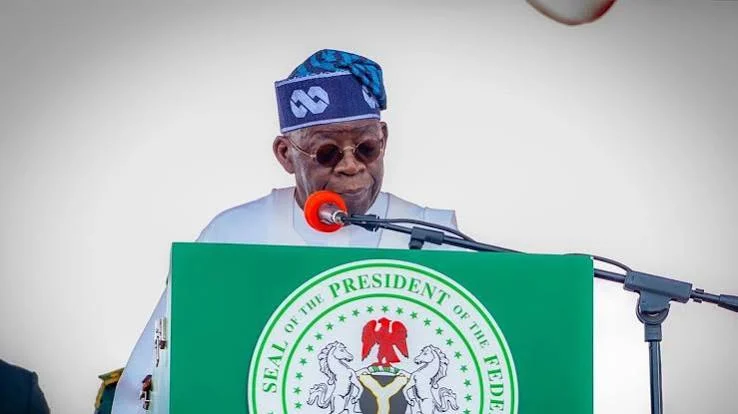
Olawale Edun, the Minister of Finance and Coordinating Minister of the Economy, praised the transaction as a vote of confidence in President Bola Ahmed Tinubu’s administration and its economic reforms.
“Today’s successful issuance signals growing trust in our efforts to stabilize the Nigerian economy and position it for sustainable and inclusive growth,” Edun remarked. “The broad investor appetite for our Eurobonds is encouraging as we diversify our funding sources and deepen engagement with international capital markets.”
Central Bank Governor Olayemi Cardoso echoed this sentiment, emphasizing the Eurobond’s significance as evidence of Nigeria’s improved credit position and liquidity. “This outcome demonstrates investor confidence in the resilience of Nigeria’s credit and our ability to access international markets to meet government financing needs,” Cardoso stated.
Utilization and Structure
The proceeds from the Eurobond will specifically address the 2024 fiscal deficit, ensuring the government meets its budgetary obligations. The issuance also strengthens Nigeria’s position in international capital markets.
To facilitate the transaction, the government engaged Chapel Hill Denham, Citigroup, Goldman Sachs, J.P. Morgan, and Standard Chartered Bank as Joint Bookrunners. FSDH Merchant Bank Limited served as the Financial Adviser.
The Eurobonds will be listed on the London Stock Exchange, the FMDQ Securities Exchange Limited, and the Nigerian Exchange Limited, providing access for trading and bolstering market confidence in Nigeria’s financial system.
Economic Outlook
The Eurobond issuance is part of Nigeria’s broader strategy to stabilize its economy through reforms such as exchange rate unification and fuel subsidy removal. While these reforms have faced domestic challenges, the government is optimistic about long-term benefits, as evidenced by the positive response from international investors.
By securing this funding, Nigeria aims to address its budgetary needs while reinforcing its commitment to economic reforms, sustainable growth, and fiscal discipline.