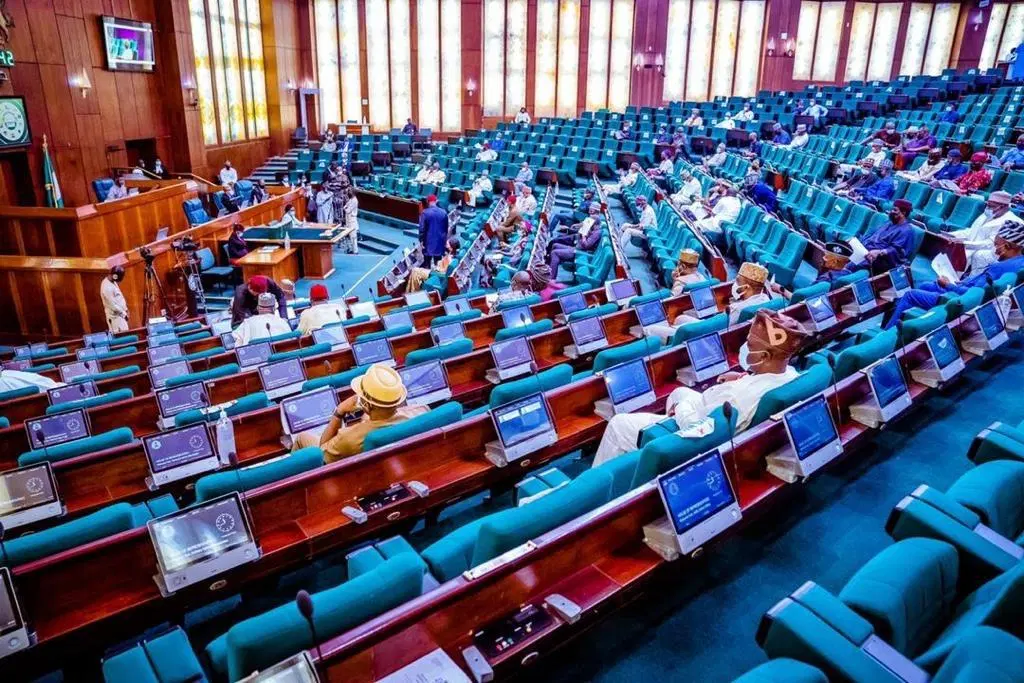
In a significant political realignment, four members of the Labour Party (LP) in the House of Representatives have officially defected to the ruling All Progressives Congress (APC). The announcement was made during Thursday’s plenary session by Speaker Tajudeen Abbas.
Details of the Defection
The lawmakers’ decision to switch parties marks a notable shift in the balance of power within the House of Representatives. The defections, which come months after the 2023 general elections, were confirmed by Speaker Abbas, who read the official defection letters submitted by the lawmakers during the plenary.
Although the reasons for the defections were not immediately disclosed during the session, sources within the National Assembly suggest the move was influenced by both political and developmental considerations, including alignment with the ruling party to better serve their constituencies.
APC Gains Ground
The defections further consolidate the APC’s majority in the House of Representatives, strengthening the ruling party’s ability to push legislative agendas with minimal resistance. With these additions, the APC has increased its numerical advantage, reducing the Labour Party’s representation in the lower chamber of the National Assembly.
Implications for Labour Party
The Labour Party, which emerged as a formidable opposition force during the 2023 elections under the leadership of Peter Obi, has faced internal challenges and defections in recent months. These departures may raise questions about the party’s cohesion and its ability to maintain its momentum as a leading opposition group.
Reactions from Lawmakers and Parties
The defections have sparked mixed reactions among lawmakers and political analysts. While APC members celebrated the development as a testament to the party’s growing influence, Labour Party leaders expressed disappointment, calling the defections a betrayal of the electorate’s mandate.
A Labour Party spokesperson, who requested anonymity, stated, “These defections undermine the will of the people who voted for change. We will address this issue internally and ensure that our party remains strong.”
On the other hand, APC National Chairman Abdullahi Ganduje welcomed the defectors, stating, “The APC remains a home for all who are committed to national development and progressive policies.”
Legal and Ethical Considerations
The defections are likely to reignite debates about the legality and ethics of cross-carpeting in Nigeria’s political system. The 1999 Constitution stipulates that lawmakers elected on a party platform must vacate their seats if they defect unless their party is experiencing a division or merger. However, enforcement of this provision has been inconsistent.
Next Steps
As the news continues to unfold, political observers are keenly watching for the Labour Party’s response and whether it will pursue legal action to challenge the defections. Meanwhile, the APC is expected to leverage its expanded majority to strengthen its legislative agenda in the House of Representatives.
This development highlights the fluid nature of Nigeria’s political landscape, where party loyalty often takes a back seat to strategic alliances and personal ambitions.