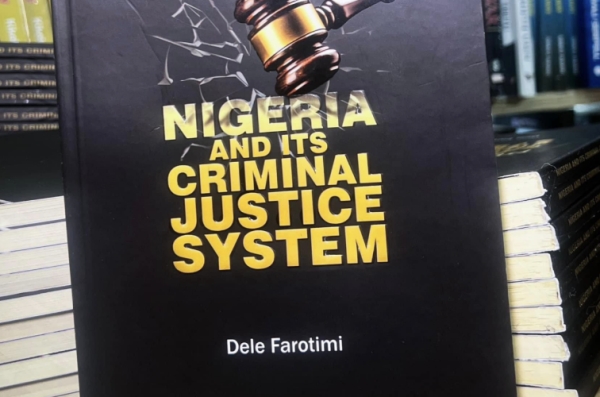
Dele Farotimi’s book, Nigeria and its Criminal Justice System, has surged to bestseller status on Amazon, just 48 hours after the human rights lawyer and activist was arrested and charged with defamation.
The book currently ranks 555 among all books on the e-commerce platform and holds the top spot in categories such as elections, political process, and political commentary. It has garnered rave reviews, earning an impressive 4.9 out of 5 stars from readers.
Published on July 2, the book explores how wealthy Nigerians allegedly exploit the country’s legal system for personal gain. However, its critical examination of the judicial landscape has now become the focus of legal scrutiny.
Legal Proceedings in Ekiti State
Farotimi was arraigned on Wednesday at a magistrate court in Ado-Ekiti, Ekiti State, over charges of “criminal defamation” against Afe Babalola, a senior advocate of Nigeria (SAN) named in the book.
During the court hearing, Samson Osun, the police prosecutor, requested Farotimi’s remand to allow further investigation. Farotimi’s lawyer, Dayo Akeredolu, opposed the motion, seeking bail on liberal terms and self-recognition for the activist. The magistrate, Abayomi Adeosun, denied the bail application and ordered Farotimi to be remanded in prison custody until December 10.
Public Reaction and Book Sales Spike
Following the court ruling, Farotimi’s book saw a dramatic surge in sales and interest, propelling it to bestseller status. The public discourse surrounding his arrest appears to have heightened curiosity about his work.
The spike in demand caused a technical disruption for Roving Heights, a popular Nigerian bookstore. The retailer reported that its website temporarily crashed due to “unusual traffic and overwhelming interest in certain titles,” with Farotimi’s book being a key driver of the surge.
A Divisive Narrative
Farotimi’s case has sparked widespread debate on freedom of expression and the limits of critique in Nigeria’s judicial system. While supporters view him as a fearless advocate challenging entrenched systems of power, critics accuse him of crossing ethical lines in his allegations.
As the December 10 court date approaches, public interest in Farotimi’s legal and literary battles shows no signs of waning, underscoring the intersection of activism, literature, and law in contemporary Nigeria.