The Federal Government has officially announced February 2025 as the commencement date for the much-anticipated National Youth Conference. The decision comes months after President Bola Tinubu, during his Independence Day broadcast, unveiled plans for a month-long youth dialogue to address pressing issues such as unemployment, education reform, and political inclusion.
This announcement aims to quell mounting criticism from various youth groups who had accused the administration of neglecting its promise to engage the nation’s largest demographic in meaningful conversations about the future.
Roots of the Initiative
The proposed conference is part of the administration’s response to youth-led protests, including the #EndBadGovernance demonstrations in August 2024 and the #FearlessOctober movement in October 2024. Both uprisings highlighted growing discontent among Nigerian youths over governance, economic hardship, and exclusion from decision-making processes.
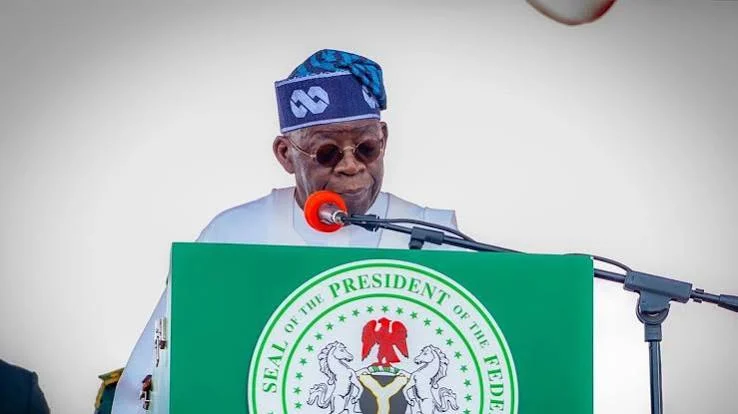
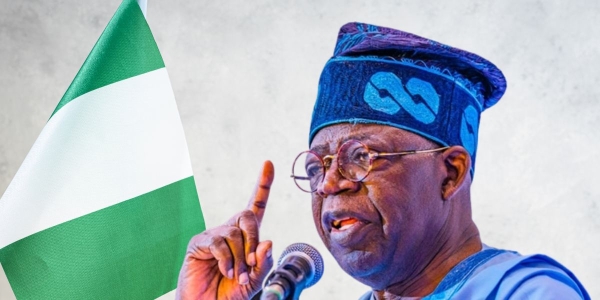
President Tinubu described the conference as a platform to foster dialogue and empower young Nigerians. “By ensuring their voices are heard in shaping policies that affect their lives, we are creating a pathway for a brighter tomorrow,” he stated.
However, delays in rolling out the initiative drew sharp criticism from prominent youth organizations, including the Arewa Youth Consultative Forum (AYCF), Yoruba Youths Council, Ohanaeze Ndigbo Worldwide, and the Ijaw National Congress.
Youth Leaders Voice Disappointment
Zaid Ayuba, National President of AYCF, expressed frustration over the delay, calling it a missed opportunity to prioritize youth development. “This conference was meant to amplify the voices of young Nigerians and present innovative solutions for national progress. Unfortunately, the government’s inaction has left us disappointed and feeling marginalised,” Ayuba said.
Similarly, Eric Oluwole, President of the Yoruba Youths Council, accused the government of neglecting its promise. “Nigerian youths expected swift action on the confab, but the prolonged silence has raised doubts about the administration’s sincerity,” he lamented.
Dr. Alex Ogbonnia, spokesperson for Ohanaeze Ndigbo Worldwide, warned that further delays could undermine the credibility of Tinubu’s administration, while Ijaw National Congress spokesperson Ezonebi Oyekemeagbegha called for immediate action to prevent youth disengagement and rising apathy.
Government Responds with a New Plan
Responding to the criticism, the Minister of Youth Development, Mr. Ayodele Olawande, announced that the conference would span 30 days, with grassroots engagement forming a significant component.
“The event will begin with two weeks of activities at the federal constituency level, followed by one week in states and local government areas, and culminate with a week-long gathering in Abuja to consolidate findings and formulate actionable steps,” Olawande explained.
To address past criticisms of unproductive government conferences, Olawande emphasized a shift toward an “action-oriented” approach. “This will not be a typical talk shop. We are focusing on tangible outcomes, and we’ve already received the President’s approval to revamp the process to ensure real impact,” he said.
Committees are being set up to oversee the process, with representatives from federal ministries and agencies collaborating with delegates. The President is expected to inaugurate the committees by mid-January 2025.
Mixed Reactions Persist
Despite the updated timeline, skepticism remains among some stakeholders. Peluola Adewale, Secretary of the Democratic Socialist Movement, dismissed the initiative as a “diversionary tactic” by the government to placate discontented youths. “This conference was never a sincere plan. It’s simply a way to manage unrest temporarily,” Adewale argued.
However, youth advocates, including the National Association of Nigerian Students (NANS), have urged the government to expedite preparations and ensure the conference delivers meaningful outcomes. NANS President Lucky Emonefe called for increased youth participation in governance as a key demand at the confab.
“We are demanding that at least 50 per cent of public leadership positions be reserved for young people. The government must act swiftly to turn the promises made by Mr. President into action,” Emonefe said.
Looking Ahead
As the countdown to February 2025 begins, all eyes are on the Tinubu administration to deliver a conference that lives up to its promise of inclusivity, innovation, and empowerment. Whether it succeeds in addressing the challenges facing Nigeria’s youth or becomes another missed opportunity remains to be seen.
For now, the government has committed to transparency, grassroots involvement, and actionable results—a test it cannot afford to fail given the rising tensions and expectations among the country’s youth.