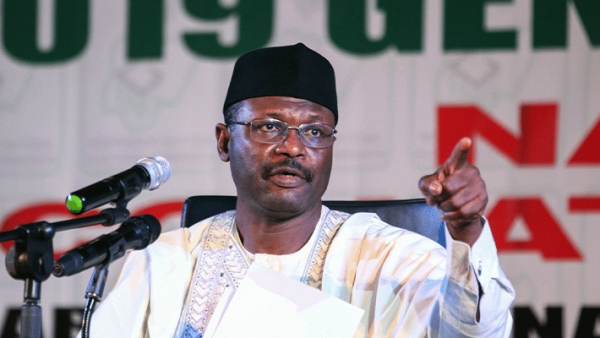
The Independent National Electoral Commission (INEC) Chairman, Mahmood Yakubu, has commended Ghana’s electoral process following the country’s recent presidential and parliamentary elections, stating that Ghana has adopted valuable lessons from Nigeria’s electoral system.
Yakubu made these remarks while observing the elections as part of an ECOWAS delegation of electoral commissions. He praised the conduct of the elections, describing the process as transparent, efficient, and crucial for Ghana’s democratic stability.
A Commendable Electoral Process
The elections, held on Saturday, saw Ghanaians cast their votes to elect a new president and members of parliament. The results declared John Mahama, the National Democratic Congress (NDC) candidate, as the country’s next president.
Speaking about the process, Yakubu noted:
“It has been a very interesting election. We came here as part of the ECOWAS network of electoral commissions, alongside colleagues from Sierra Leone, Liberia, and the Southern African region. The election has gone very well, and the process and its outcome so far have been commendable. This stability is vital for Ghana and its citizens.”
Political Stability in Ghana
Highlighting the unique characteristics of Ghana’s political culture, Yakubu emphasized the stability provided by the country’s political parties and their supporters.
“Rarely in Ghana do you see people moving from one party to another with every general election. This provides stability both for the political system and for the supporters of these parties. People stick with their parties, whether in power or opposition, for many years,” he observed.
Learning from Nigeria’s Electoral Framework
Yakubu also pointed out how Ghana has integrated elements of Nigeria’s electoral framework to improve its processes. One significant adaptation has been the decentralization of parliamentary election result announcements.
“Until the last election in Ghana, all results—parliamentary and presidential—were sent to the Electoral Commission’s headquarters in Accra. Now, they have adopted a system similar to Nigeria’s, where parliamentary election results are declared at the constituency level, while only the presidential election results are sent to the central office,” he explained.
This decentralization has expedited the announcement of election results. “This is the second time Ghana is implementing this system, and as seen, the declaration of the presidential election result was much faster compared to previous elections,” Yakubu added.
Strengthening Regional Collaboration
Yakubu underscored the importance of collaboration between ECOWAS member states to enhance electoral practices across the region. By sharing strategies and innovations, countries like Ghana and Nigeria continue to improve their democratic processes, fostering trust and stability in their systems.
Moving Forward
Yakubu’s observations reflect a broader commitment to strengthening electoral integrity in West Africa. With Ghana’s elections hailed as a success, they stand as a testament to the power of cross-border learning and cooperation in achieving credible and efficient democratic systems.