The Independent National Electoral Commission (INEC) has unveiled an ambitious reform agenda aimed at overhauling Nigeria’s electoral system. Key among the proposals are the phasing out of Permanent Voter Cards (PVCs), the introduction of diaspora voting, and the establishment of new institutions to tackle electoral offences and regulate political parties.
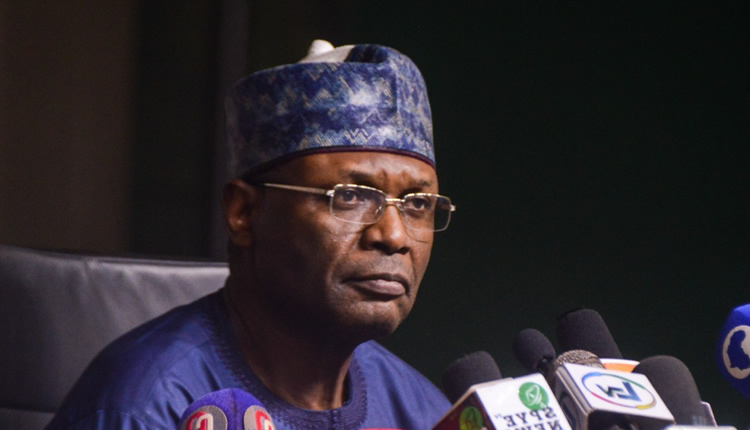
Announcing these measures in Abuja on Thursday during a meeting with Resident Electoral Commissioners (RECs), INEC Chairman Prof. Mahmood Yakubu said the reforms are part of a broader strategy informed by lessons from the 2023 general elections and subsequent off-cycle polls.
Phasing Out PVCs
Prof. Yakubu noted that the introduction of the Bimodal Voter Accreditation System (BVAS) has rendered PVCs less essential. Instead, INEC proposes a system where voters could use computer-generated slips or credentials downloaded from the commission’s website for accreditation.
“This shift will not only reduce costs but also address challenges like PVC collection bottlenecks and the unethical practice of voter card buying,” Yakubu explained. He emphasized that existing PVCs would remain valid for voting, but future voter accreditation would prioritize simpler, more accessible alternatives.
Diaspora and Early Voting
In a groundbreaking move, INEC plans to extend voting rights to Nigerians living abroad. The proposal also includes early voting options for individuals such as INEC staff, security personnel, and others unable to vote at their polling units on election day.
Yakubu highlighted the need for legislative amendments to enable diaspora voting, describing it as a crucial step toward inclusivity in Nigeria’s electoral process.
Legal and Structural Reforms
The commission is advocating for clarity in result transmission methods, seeking to clearly define the roles of manual and electronic processes. To address systemic inefficiencies, INEC is calling for the unbundling of its functions, proposing the creation of an electoral offences tribunal and a separate agency for political party regulation.
“These changes will help streamline operations and ensure more effective oversight of electoral processes,” Yakubu stated.
Comprehensive Voter Register Cleanup
INEC plans to collaborate with the National Identity Management Commission (NIMC) and the National Population Commission (NPC) to clean up the voters’ register. This effort aims to enhance the credibility of the electoral process while ensuring eligible voters are accurately represented.
Combatting Misinformation and Promoting Inclusion
The commission will intensify voter education campaigns to counter fake news and encourage participation among marginalized groups. Yakubu also emphasized advocacy for affirmative action to ensure greater inclusion of underrepresented demographics in elections.
Next Steps
The proposals are part of a detailed 524-page review report that captures 142 recommendations. Of these, 86 require direct action by INEC, 48 depend on collaboration with stakeholders, and eight require legislative amendments.
Yakubu announced plans to present the recommendations to the Senate and House of Representatives’ Joint Committee on Electoral Matters for further deliberation.
“The recommendations aim to build a more efficient, transparent, and inclusive electoral system. We urge Resident Electoral Commissioners and stakeholders to engage deeply with these reforms,” Yakubu said.
The proposals, once finalized, will be made publicly available in both digital and hard copy formats. Observers and analysts view these reforms as a potential game-changer for Nigeria’s electoral landscape.