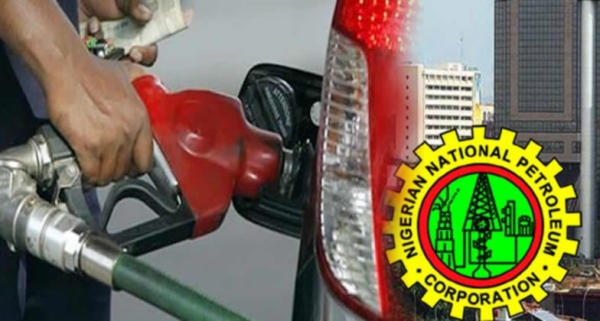
Residents of Abuja, Nigeria’s capital, are now witnessing a slight relief in fuel prices as the Nigerian National Petroleum Company Limited (NNPCL) slashed the cost of Premium Motor Spirit (PMS), commonly known as petrol, across its outlets in the Federal Capital Territory (FCT).
A recent price adjustment saw the cost of petrol drop by ₦20, reducing it from ₦1,060 to ₦1,040 per litre at NNPCL-owned filling stations. The price change was confirmed by fuel attendants and motorists during spot checks by journalists on Saturday.
At the NNPCL station along the Kubwa Expressway, an attendant disclosed that the revised pricing took effect early Saturday morning. “The pump price is now ₦1,040 per litre, down from ₦1,060,” the staff member confirmed.
Motorists have welcomed the modest reduction. Ezekiel Njoku, a resident of Abuja, remarked, “While the ₦20 reduction is significant, we hope for more cuts in the coming days to ease the burden on Nigerians.”
Despite the price adjustment by NNPCL, other filling stations in the region continue to sell petrol at varied rates, with some outlets charging as high as ₦1,115 per litre depending on their location.
Refinery Impact and Price Trends
This development comes three weeks after the long-anticipated Port Harcourt refinery resumed operations in November 2024, signaling a significant step towards local production of petroleum products.
The refinery’s renewed activity is expected to influence the cost of fuel positively in the long term. Former NNPCL Retail Managing Director, Prof. Billy Okoye, previously hinted that the recommencement of refinery operations could pave the way for gradual fuel price reductions.
Sector Deregulation and Market Dynamics
Industry stakeholders, including the Independent Petroleum Marketers Association of Nigeria (IPMAN) and the Petroleum Products Retail Outlets Owners Association (PETROAN), have also linked the price shift to ongoing deregulation efforts in the oil and gas sector. Deregulation, coupled with improved operational efficiencies, has started to reflect in retail pricing trends.
While the current reduction is relatively modest, it marks a hopeful sign for Nigerians grappling with the rising cost of living. Many consumers are optimistic that as local refining capacity improves and market competition stabilizes, further reductions in fuel prices will follow.