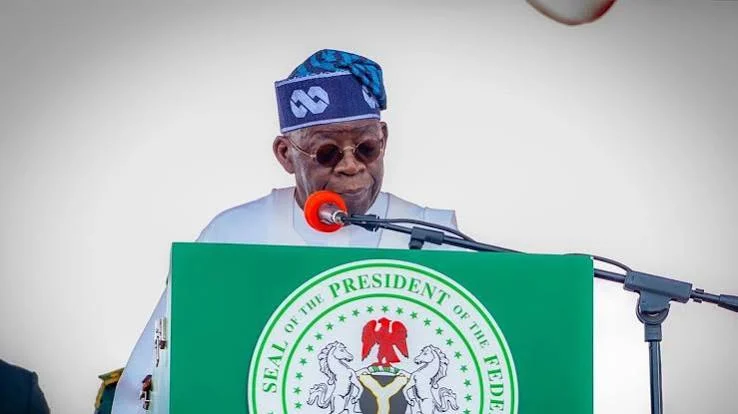
In his first Presidential Media Chat aired on the Nigerian Television Authority (NTA) on Monday, President Bola Tinubu reaffirmed his commitment to pressing forward with tax reforms and defended the removal of petrol subsidies. Speaking from Lagos, the President emphasized the necessity of these reforms to reposition Nigeria’s economy and eliminate outdated practices rooted in colonial-era policies.
Tax Reforms: Divided Opinions Across Regions
President Tinubu insisted that the proposed tax reforms were “pro-poor” and designed to broaden the tax base rather than impose additional burdens on vulnerable citizens. “The essence of the tax reform is to eliminate colonial-based assumptions in our tax environment,” Tinubu stated, adding that reforms were unavoidable to create a sustainable fiscal framework.
The reforms have sparked nationwide debate, with the House of Representatives indefinitely suspending discussions scheduled for December 3 due to mounting opposition from lawmakers and stakeholders, particularly from the 19 northern governors.
Borno State Governor Babagana Zulum criticized the reforms’ perceived haste, stating, “The Petroleum Industry Bill took almost 20 years before it was passed. This tax reform bill should be treated with caution to ensure it benefits future generations.”
Despite opposition from the Northern Governors Forum, Tinubu stressed that the reforms are essential to widening the tax net and improving equity. “Every tax situation without outcry is not a tax,” he said, underscoring his resolve to move forward despite resistance.
Controversy Over Subsidy Removal
Responding to concerns about the economic hardship caused by the removal of petrol subsidies, Tinubu expressed no regrets, describing the policy as essential for Nigeria’s long-term financial stability.
“We were spending our future and generations’ fortunes. Subsidy removal is necessary; it cannot be phased out because it delays inevitable financial corrections,” he said. Tinubu dismissed criticisms of the sudden removal, asserting that maintaining the subsidy was akin to enabling smuggling and unsustainable public spending.
He urged Nigerians to adopt better resource management, adding, “We cannot spend our future generation’s investments upfront. We must pull the hand brakes or risk a financial disaster.”
Efforts to Curb Corruption
Tinubu linked the subsidy removal to his administration’s anti-corruption agenda, highlighting ongoing efforts to recover assets and plug systemic inefficiencies. He cited the recent discovery of over 700 properties allegedly linked to former Central Bank Governor Godwin Emefiele as evidence of the government’s commitment to fighting corruption.
“Corruption is difficult to eliminate entirely, but we can reduce it significantly by blocking loopholes and meeting people’s needs, such as increasing the minimum wage and providing student loans,” Tinubu said.
Stampede Tragedies: A Call for Organization
Tinubu also addressed recent stampedes at palliative distribution events in various states, which claimed 67 lives. He criticized the organizers for their lack of planning and discipline, calling for more organized systems akin to food banks in other countries.
“Giving is good, but it must be done responsibly. We need to learn from these tragic mistakes to avoid future incidents,” he said.
Economic Roadmap and Inflation Reduction
Tinubu pledged to reduce inflation from its current rate of 34% to 15% in 2025 by boosting local production and minimizing imports. The President outlined plans to increase agricultural output, encourage local manufacturing of pharmaceuticals, and provide low-interest funding to farmers.
“My goal is to increase local consumption and exports while reducing reliance on imports. It is time to invest in our potential,” Tinubu said.
Conclusion
Despite the controversies surrounding his policies, Tinubu remained resolute in his approach. “The hallmark of a good leader is the ability to do what you have to do at the time it has to be done. That is my philosophy,” he concluded, urging Nigerians to adapt and embrace the changes necessary for the nation’s economic revival.