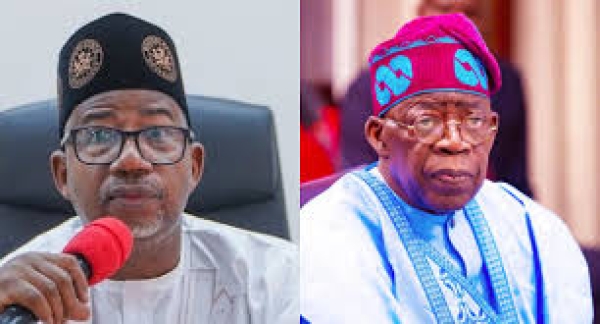
Bauchi State Governor, Bala Mohammed, has issued a strong warning to President Bola Tinubu, urging him to reconsider the federal tax reform bills currently before the National Assembly. Speaking on Thursday during a meeting with the Christian community at the Government House in Bauchi, Mohammed expressed concern that the proposed tax policies disproportionately favor southern Nigeria and risk economic instability in the northern region.
The governor, who also serves as the chairman of the Peoples Democratic Party (PDP) Governors Forum, stated that the reforms could undermine national unity and fairness. He argued that the policies would hinder northern states’ ability to generate sufficient revenue for essential services such as salary payments and infrastructure development.
Governor Mohammed’s Position
“This tax reform is not designed for the good of Northern Nigeria,” Mohammed said. “It will deprive us of the resources we need to pay salaries or construct roads. The presidency must listen to the cries from the North about these reforms.”
The governor criticized the perceived sectional bias of the reforms, warning that they could provoke unrest. “If they refuse to listen, they are inviting anarchy, and that is not what this country needs. Policies must not favor one section of the country or one state. Leadership should prioritize national unity and equity,” he stated.
Mohammed also emphasized that the issue transcends religion and ethnicity, framing it as a question of national unity. He reminded the presidency that northern states, including Bauchi, contributed to Tinubu’s electoral victory and deserved to have their concerns addressed.
Mixed Reactions to Tax Reforms
The proposed tax reform bills, part of President Tinubu’s broader economic agenda, have faced significant pushback from northern governors and the National Economic Council (NEC). Critics argue that the reforms disproportionately burden northern states, which are less industrialized and more dependent on federal allocations than their southern counterparts.
Since the bills were submitted to the National Assembly, they have sparked heated debates across the country. While proponents, including Tinubu, argue that the reforms are essential to revitalize Nigeria’s struggling economy, detractors warn of severe socio-economic consequences, particularly in less economically developed regions.
During his first Presidential Media Chat, Tinubu defended the reforms, declaring, “The tax reform bills have come to stay. They are necessary to retool the country’s economy and ensure sustainable growth.”
Northern Governors Reject Reforms
The resistance from northern leaders highlights a growing regional divide over Tinubu’s economic policies. Many northern governors have criticized the bills as inequitable and impractical for states that lack a strong industrial base or diverse revenue streams.
Governor Mohammed joined this chorus of dissent, describing the reforms as tone-deaf to the unique challenges faced by northern states. “Good leadership is about listening to all voices and ensuring policies are inclusive,” he said.
Call for Dialogue
Governor Mohammed urged the presidency to engage in meaningful dialogue with stakeholders from all regions to develop tax policies that promote fairness and inclusivity. He stressed that unity and good governance should take precedence over sectional interests.
As the debate over the tax reforms continues, the federal government faces mounting pressure to address the concerns of northern leaders and avoid deepening regional tensions. Whether Tinubu’s administration will amend the proposals to accommodate these concerns remains to be seen.