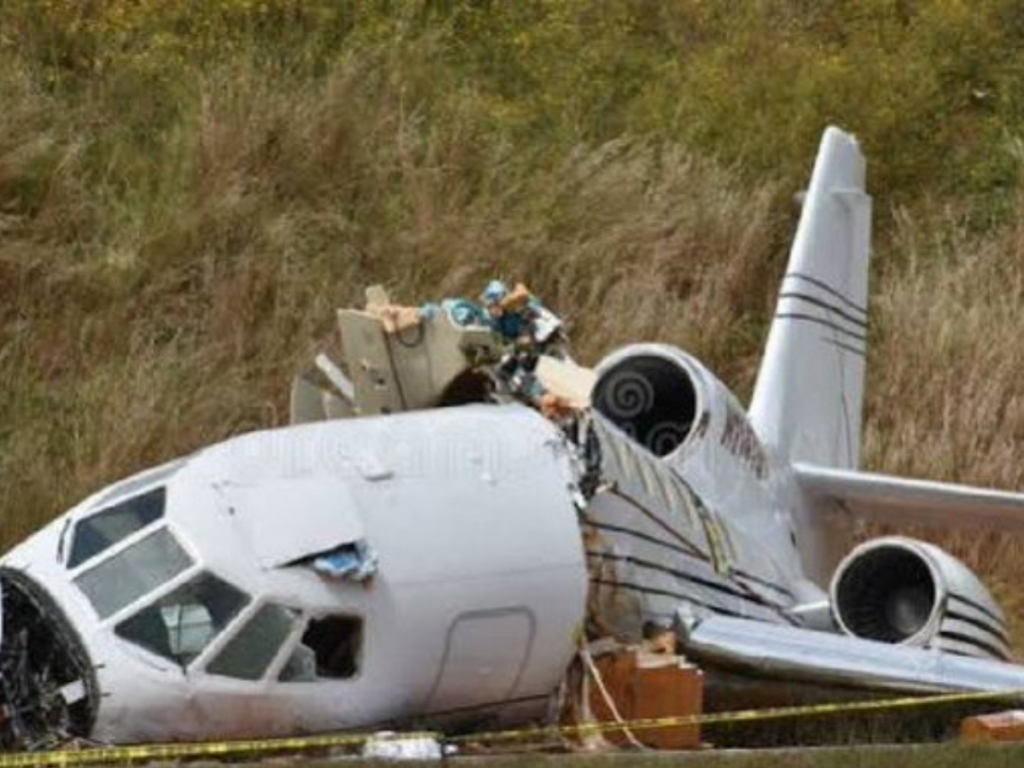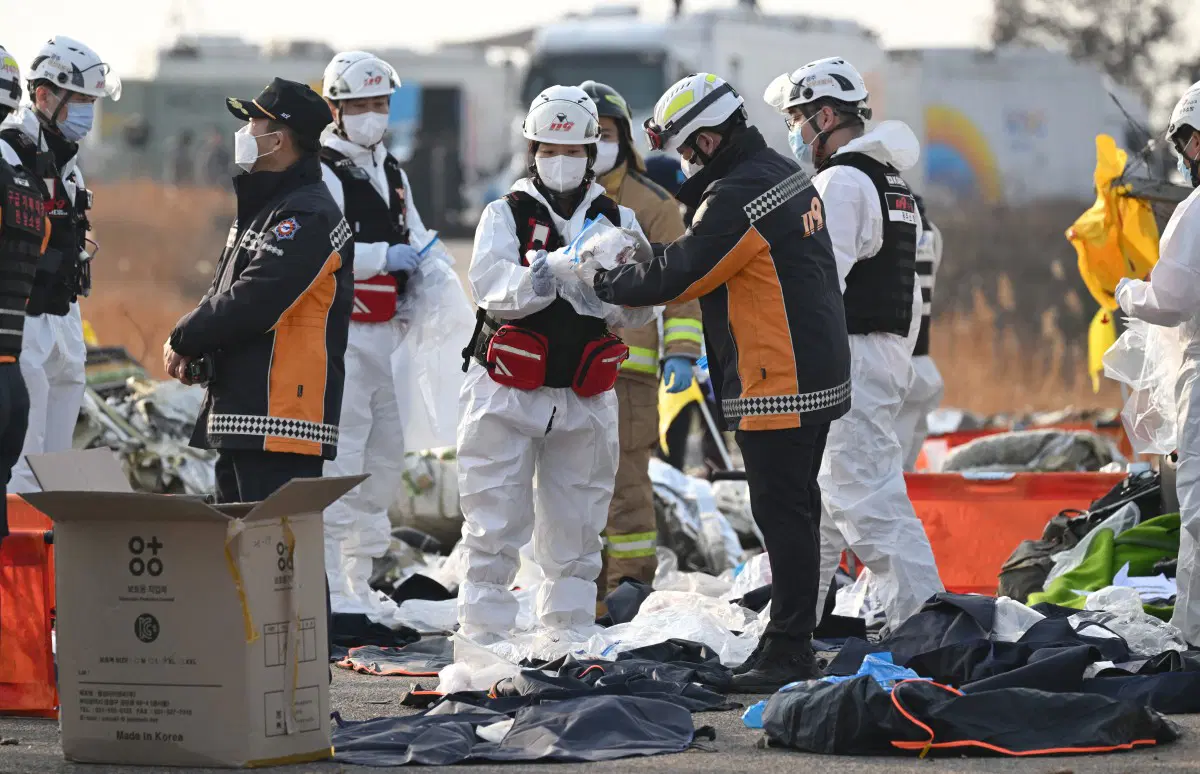
A Jeju Air flight carrying 181 people from Bangkok, Thailand, to South Korea ended in catastrophe on Sunday when it crashed during landing at Muan International Airport, leaving 179 feared dead. The aircraft, a Boeing 737-800, smashed into a barrier and burst into flames, rendering it nearly unrecognizable, according to authorities and emergency responders.
Crash Details and Causes
The flight, Jeju Air 2216, was attempting to land at Muan International Airport at 9:03 a.m. local time when it encountered what officials believe were a combination of bird strikes and adverse weather conditions. Surveillance footage captured the aircraft landing on its belly, skidding off the runway, and colliding with a wall before exploding into flames.
“Passengers were ejected from the aircraft upon impact, leaving minimal chances of survival,” said a local fire official during a briefing. The official noted that the process of identifying victims was ongoing, as the remains were scattered and difficult to recover from the heavily charred wreckage.
Out of the 181 individuals onboard, only two survivors—a pair of flight attendants—were rescued. By mid-afternoon, the fire department confirmed 124 fatalities, with the remainder unaccounted for.
Moments Before Impact
According to the Ministry of Land, the incident unfolded rapidly after a warning of bird strikes was issued to the pilot. The aircraft attempted to land shortly after, but the situation deteriorated within minutes.
Two minutes before the crash, the pilot issued a Mayday call, signaling a dire emergency. Officials ruled out the possibility that the runway’s length—2,800 meters—was a factor in the crash, citing that similar-sized aircraft had operated there without issues.
Authorities Respond
Lee Jeong-hyun, chief of the Muan fire station, described the crash as likely caused by a “bird strike combined with adverse weather,” though a joint investigation will provide a definitive explanation.
South Korea’s acting President Choi Sang-mok convened an emergency meeting and later visited the crash site, pledging full government support for rescue operations and for the grieving families. He declared Muan a special disaster zone, enabling additional state resources for recovery efforts.
“I believe no words can console the bereaved families in the face of such an unimaginable tragedy,” Choi stated.
Jeju Air and Boeing React
Jeju Air, one of South Korea’s leading low-cost carriers, issued an apology, vowing to cooperate fully with investigators and support affected families. “We sincerely apologize for causing this concern,” the airline said in a statement.
Aircraft manufacturer Boeing also extended its support to Jeju Air, stating, “We stand ready to assist as needed.”
Impact on Families and the Nation
At Muan International Airport, distraught families gathered, some collapsing in tears as they awaited news of their loved ones.
“It’s heartbreaking to see families in despair,” said one official. “This is a tragedy that will leave scars for years to come.”
South Korea’s Aviation Safety Record
The crash marks Jeju Air’s first fatal incident since its inception in 2005. South Korea’s aviation industry generally has a strong safety record, but this incident highlights the ongoing risks associated with bird strikes, a known hazard in aviation.
Globally, bird strikes have led to several high-profile accidents, including the 2009 “Miracle on the Hudson,” where a US Airways flight safely landed in New York’s Hudson River after both engines were disabled by bird strikes.
As investigations continue, South Korea mourns one of its worst aviation disasters in recent history, with the hope that answers will emerge to prevent future tragedies.