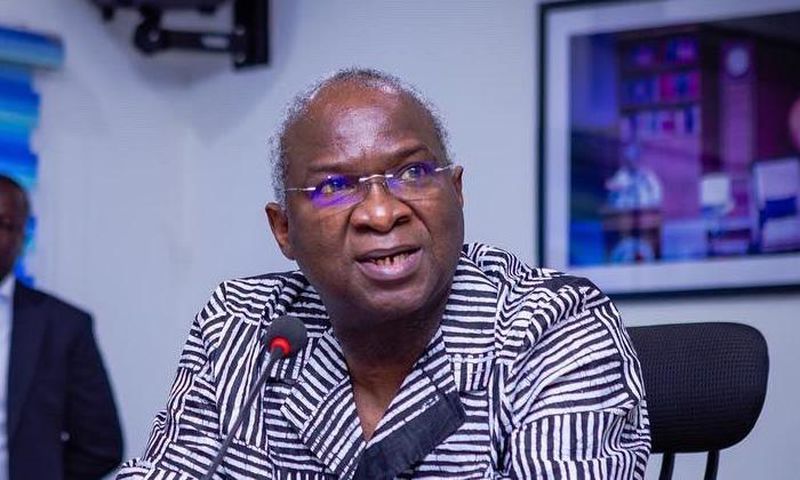
Former Lagos State Governor and ex-Minister of Works, Babatunde Fashola, has called for renewed efforts to preserve the history of Lagos, warning against distortion as controversies around street naming and renaming continue.
Fashola made the remarks on Tuesday at the public presentation of “Discover Lagos State: A History Puzzle Book (Volume 1)”, held at the Civic Centre, Victoria Island, Lagos. The event, organised by the Lagos State Records and Archives Bureau (LASRAB), also featured Governor Babajide Sanwo-Olu—represented by Deputy Governor Dr. Obafemi Hamzat—who underscored the importance of documenting the state’s heritage.
Highlighting the role of archives in preserving historical identity, Fashola referenced the University of Glasgow’s archival works, which detail the contributions of Nigerian scholars, including Dr. Isaac Ladipo Oluwole.
“Dr Oluwole, who graduated from the University of Glasgow in 1918, returned to Nigeria to become the first African Medical Officer of Health in the Lagos Colony. He pioneered school health services and founded the first Nigerian School of Hygiene at Yaba in 1920. This is why streets like Ladipo Oluwole Street in Ikeja carry such historical weight,” Fashola explained.
He stressed that street naming should not be treated lightly, adding that preserving historical records ensures future generations understand the significance of such honours.
“Today I reiterate my conviction that the preservation of our history and the documentation of our progress should be taken seriously. LASRAB’s work must go beyond producing books—it should become a comprehensive and trustworthy repository of Lagos State’s memory,” he said, urging the state government to adequately fund the bureau.
In his remarks, Hamzat praised the history puzzle book as a creative way to engage young minds and foster civic pride.
“This project blends education, creativity, and cultural preservation. It is an innovative learning tool designed to stimulate curiosity and deepen our understanding of Lagos’s heritage,” he said.
Hamzat also commended Fashola for establishing LASRAB during his tenure, noting that his administration set the foundation for proper documentation of Lagos’s developmental projects.
“It is important that we understand our history so we don’t lose ourselves. This book is a creative way to prevent the distortion of our past and protect our cultural identity,” he added.
The event marks another step in the state government’s effort to preserve Lagos’s history, with both Fashola and Hamzat reiterating that cultural memory must remain intact, especially in the face of street renaming controversies.