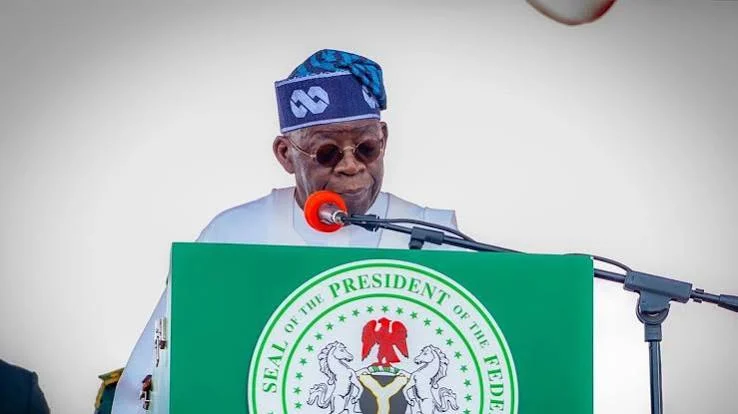
President Bola Ahmed Tinubu has inaugurated a seven-member Presidential Working Group tasked with drafting the National Policing Bill that will provide the legal framework for the implementation of state police across Nigeria.
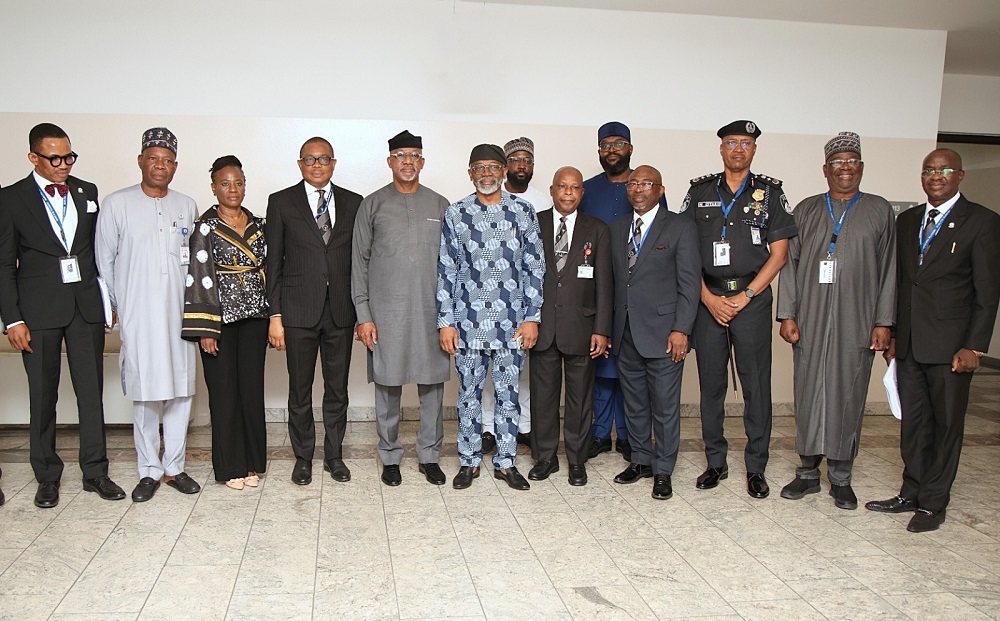
The committee was inaugurated on Tuesday at the State House in Abuja by the President’s Chief of Staff, Femi Gbajabiamila, who represented Tinubu at the event and will also serve as chairman of the panel.
Other members of the committee include the Attorney-General of the Federation, the President of the Nigerian Bar Association, the Chairman of the Nigeria Governors’ Forum, the National Security Adviser, the Inspector-General of Police, and the Chairman of the Nigeria Governors’ Forum Committee on State Police. The panel will be supported by a dedicated secretariat.
The inauguration follows the recent passage of the Constitution Alteration (State Police) Bill, 2026, by the National Assembly, which proposes the establishment of a dual policing structure consisting of a Federal Police Service alongside 36 state police services.
According to President Tinubu, while the constitutional amendment lays the foundation for the creation of state police, the National Policing Bill is expected to provide the legal and operational framework required for its implementation.
He explained that the proposed legislation would define minimum policing standards, establish requirements for state readiness certification, outline mechanisms for federal and state coordination, strengthen accountability measures, safeguard human rights, and specify fiscal conditions for the operation of state police.
Tinubu said the committee had been constituted to ensure an implementation-ready draft bill is available immediately after the constitutional amendment process is completed, stressing that preparations should not wait until the amendment receives final approval.
Speaking on behalf of the Nigeria Governors’ Forum, Dapo Abiodun pledged the commitment of all 36 state governors to support the reform and facilitate speedy legislative approval by their respective state Houses of Assembly.
Abiodun described the move as a response to longstanding calls for community-based policing and noted that the initiative builds on the achievements of regional security outfits such as Amotekun.
He added that the establishment of state police would significantly increase the nation’s security workforce, estimating that if each state recruited about 6,000 officers, nearly 200,000 additional personnel would be available to complement the existing federal police.
Attorney-General of the Federation Lateef Fagbemi described the initiative as timely in view of the country’s security challenges and urged state governors to ensure the swift ratification of the constitutional amendment by their legislatures.
Also speaking, Afam Osigwe, reaffirmed the NBA’s support for the establishment of state police, arguing that Nigeria’s growing security demands require a decentralised policing system.
However, he stressed the need for strong legal safeguards to ensure accountability and prevent abuse of the proposed state police structure, pledging the association’s support in developing legislation that balances improved security with the protection of citizens’ rights.