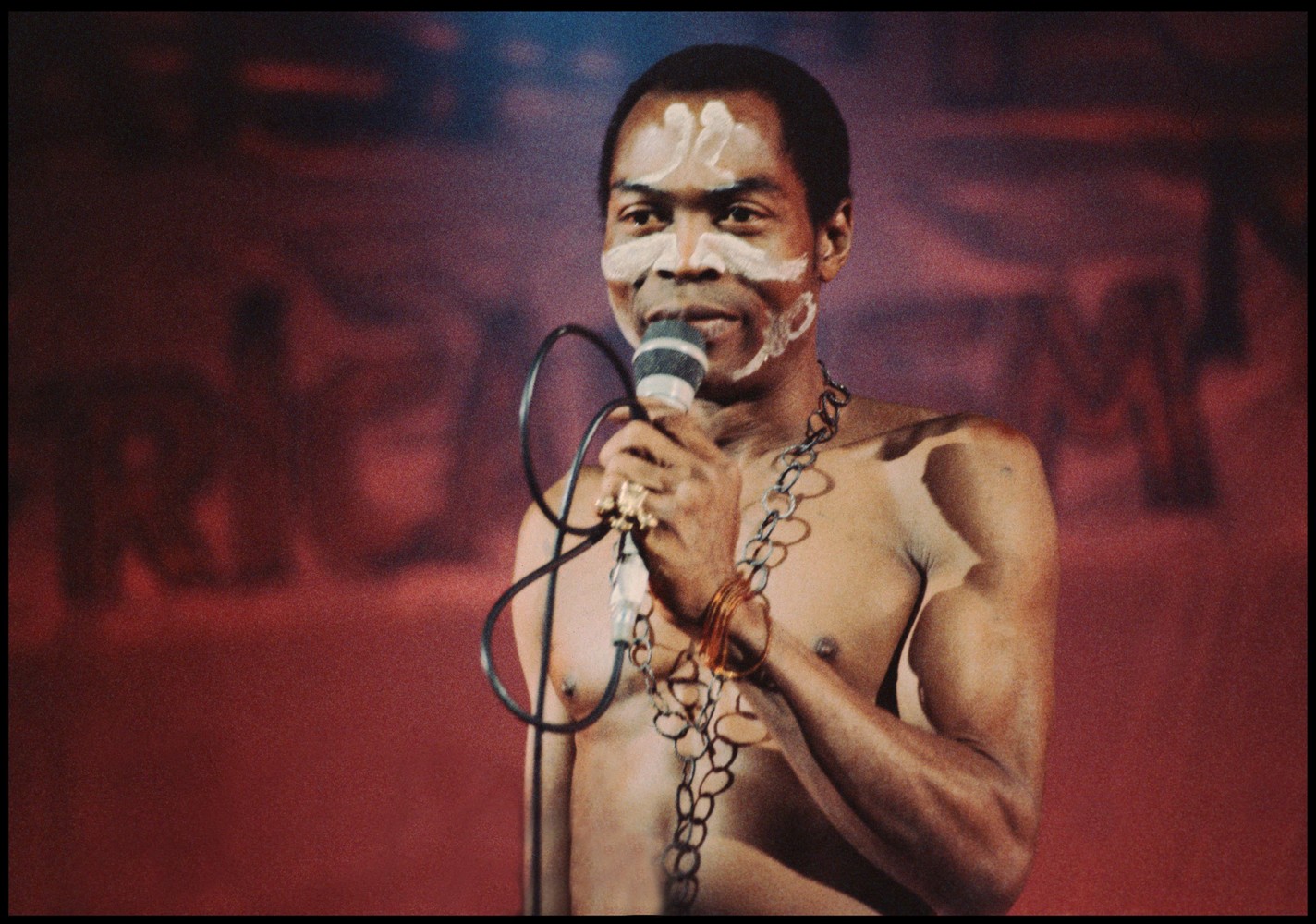
The Recording Academy has announced that legendary Afrobeat pioneer Fela Anikulapo Kuti will be posthumously honoured with a Grammy Lifetime Achievement Award, making him the first African artist to receive the prestigious recognition.
According to the BBC, the award comes nearly 30 years after Fela’s death and reflects the growing global appreciation of African music, particularly following the worldwide rise of Afrobeats and the introduction of the Best African Performance category at the Grammys in 2024.
Reacting to the development, Fela’s son and fellow Afrobeat musician, Seun Kuti, described the honour as long overdue.
“Fela has been in the hearts of the people for such a long time. Now the Grammys have acknowledged it, and it’s a double victory. It’s bringing balance to a Fela story,” he said.
Fela’s former manager and close friend, Rikki Stein, also welcomed the announcement, calling it “better late than never,” while noting that African artists have historically been sidelined in major global music awards.
Members of the Kuti family, alongside friends and longtime collaborators, are expected to attend the Grammy ceremony to accept the award on Fela’s behalf, celebrating a legacy that blended music with political resistance and cultural pride.
Widely regarded as the architect of Afrobeat, Fela used his sound to challenge injustice, corruption and military rule in Nigeria, often putting himself in direct confrontation with successive regimes.
His activism reached a tragic peak in 1977 following the release of Zombie, when soldiers raided and destroyed his Lagos commune, the Kalakuta Republic. During the attack, his mother, Funmilayo Ransome-Kuti, sustained injuries that later led to her death.
Rather than retreat, Fela turned personal grief into protest, famously carrying his mother’s coffin to government offices and releasing Coffin for Head of State, further cementing his role as both musical revolutionary and political dissenter.
The Grammy honour is expected to shine renewed global light on Fela’s enduring influence, not only as a groundbreaking musician but as a fearless voice against oppression.