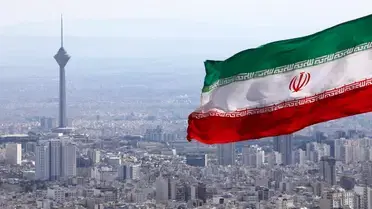
The Iranian government has appealed to citizens across the country to reduce their electricity consumption after recent United States military strikes reportedly damaged energy infrastructure in the country’s southern region, placing additional pressure on the national power grid.
In a statement issued on Friday, Iran’s Ministry of Energy urged households and businesses to conserve electricity, particularly during peak demand periods, to help maintain a stable supply of power in areas most affected by the attacks.
The ministry specifically advised residents to switch off or limit the use of air conditioners during the hottest hours of the day, noting that the southern provinces are facing a dual challenge of extreme temperatures and disruptions to electricity supply facilities caused by the strikes.
According to the ministry, reducing electricity consumption is essential to preventing widespread power outages and ensuring that critical services continue to operate while repair efforts are underway.
Southern Iran experiences some of the country’s highest temperatures during the summer months, with demand for electricity rising sharply as residents rely heavily on air conditioning to cope with the intense heat. Officials warned that excessive power usage during this period could further strain the already stressed electricity network.
The appeal comes in the aftermath of US strikes targeting Iranian energy infrastructure, an escalation that has heightened tensions between Tehran and Washington. Iranian authorities have not disclosed the full extent of the damage but indicated that electricity supply facilities in several southern areas were affected.
Officials said technical teams are working to restore damaged infrastructure as quickly as possible while urging the public to cooperate with conservation measures to help stabilize the national grid.
The latest development adds to growing concerns over the impact of the conflict on Iran’s critical infrastructure, with energy supply becoming an increasingly significant challenge amid rising regional tensions.