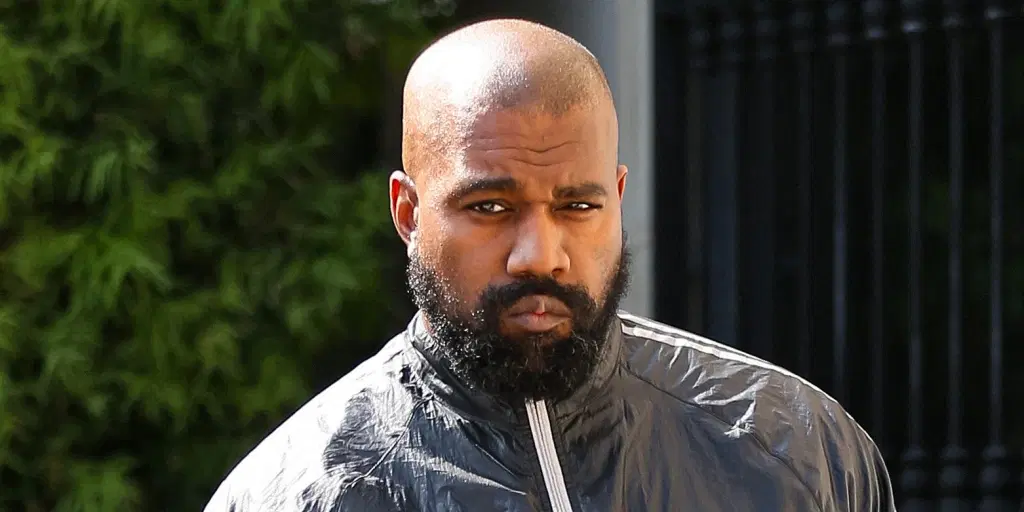
The Australian government has officially revoked the visa of American rapper and fashion mogul Kanye West — now legally known as Ye — over the recent release of a controversial song titled “Heil Hitler”, which authorities say glorifies Nazi ideology and breaches Australia’s standards against hate speech.
The song, released on May 8, notably coincided with the 80th anniversary of Nazi Germany’s defeat in World War II, further intensifying global backlash and drawing condemnation from Holocaust remembrance groups, civil rights organizations, and public officials worldwide.
Australia’s Home Affairs Minister, Tony Burke, confirmed the visa cancellation on Wednesday during an interview with national broadcaster ABC, stating that the decision was made after careful legal review. “He’s made a lot of offensive comments in the past,” Burke said, “but once he released the ‘Heil Hitler’ song, my officials reassessed his case, and he no longer holds a valid visa in Australia.”
Burke emphasized that the visa in question was not for performance or concert purposes but was instead a lower-tier visa typically used for personal travel — something West frequently did due to his ties to the country. His wife, Bianca Censori, is Australian, and the couple has visited Australia multiple times in the past.
Despite Ye’s international fame and influence, the minister defended the visa revocation as a stand against the normalization of hate. “It’s not about celebrity status. What’s not sustainable is importing hatred,” Burke stated. “We already have enough challenges in this country without deliberately allowing bigotry to cross our borders.”
He clarified that while Australian citizens are entitled to free speech, the same latitude does not automatically extend to non-citizens entering the country. “Visa decisions are made with the public interest in mind,” Burke said. “If someone promotes Nazism, that’s not something we welcome or tolerate here.”
The decision comes amid growing global scrutiny of Ye’s behavior and rhetoric. The rapper has repeatedly courted controversy over the past two years with a series of antisemitic comments, conspiracy theories, and provocative statements, many of which have led to severed brand partnerships and mounting public outrage.
Australia’s move to cancel his visa has been praised by advocacy groups as a strong stance against hate-fueled content and a defense of the country’s multicultural values. However, it has also sparked debate about freedom of artistic expression and where the line should be drawn between controversial art and incitement.