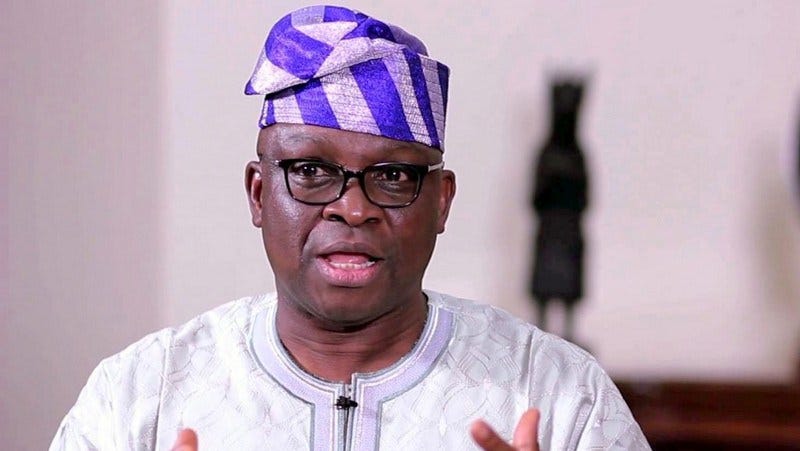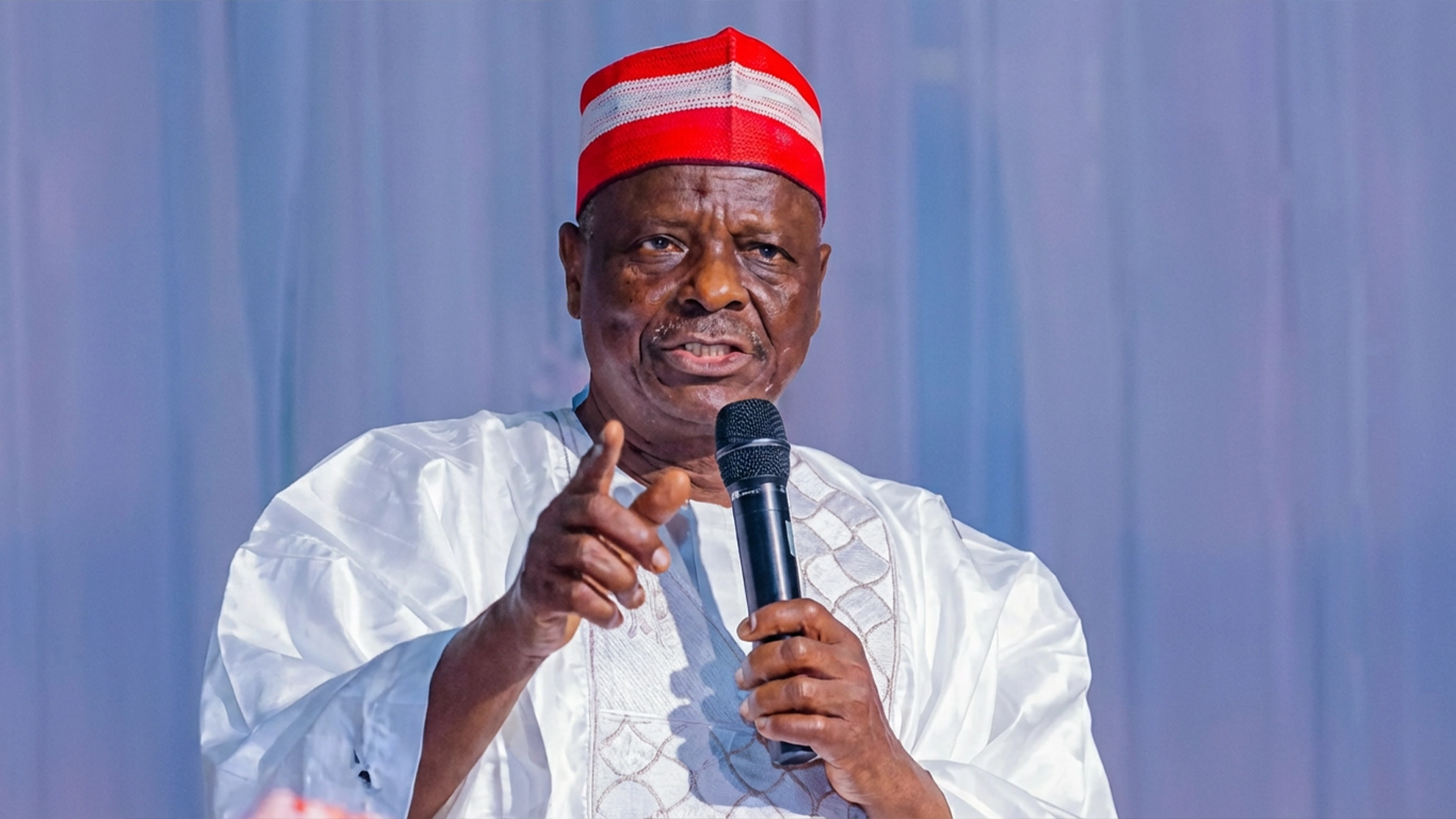
Former Kano State Governor and leader of the Kwankwasiyya movement, Rabiu Musa Kwankwaso has defended the Nigerian Democratic Congress (NDC)’s decision to zone its 2027 presidential ticket to the South, describing the move as necessary to restore political balance and end longstanding uncertainty over Nigeria’s power rotation arrangement.
Speaking during an interview with ARISE News on Monday, Kwankwaso said the party adopted the zoning formula to address what he described as confusion triggered after the death of former President Umar Musa Yar’Adua.
According to him, northern members of the party accepted the arrangement in the interest of unity and stability ahead of the 2027 general elections.
Kwankwaso explained that the NDC agreed to allow the South produce the presidential candidate for one term before power rotates back to the North, stressing that party members from the North had fully embraced the decision.
The former defence minister also hinted that an alliance involving Peter Obi is now the most likely outcome following the zoning arrangement, noting that loyal party members were committed to respecting the party’s decision.
He argued that many Nigerians are now prioritising competence and leadership ability over ethnicity, religion, or regional identity due to worsening economic hardship, insecurity, and infrastructural decline across the country.
Kwankwaso further claimed that the NDC has witnessed growing support nationwide since the entry of major opposition figures, with increasing numbers of Nigerians registering with the party and preparing to participate in the electoral process.
Dismissing concerns that zoning the presidency to the South could weaken the opposition in northern Nigeria, he maintained that Nigerians are more interested in effective leadership capable of addressing the country’s pressing challenges.
On insecurity, Kwankwaso said Nigeria’s military personnel are adequately trained and capable of addressing security threats, but argued that insufficient political will has continued to hinder progress in restoring peace and stability.
He revealed that both he and Obi had agreed to confront insecurity directly if given the opportunity to lead the country, promising to prioritise peace, stability, and national development.
Kwankwaso also indicated his readiness to serve as running mate to Obi or any southern candidate selected by the NDC under the party’s zoning arrangement.
Expressing confidence in a possible partnership with Obi, Kwankwaso said he believes both men represent one of the strongest leadership combinations currently available in Nigerian politics.
He added that supporters of both the Kwankwasiyya and Obedient movements had already begun working together organically, transforming what was once political rivalry into a shared demand for change.
Responding to questions about his political influence in Kano State, Kwankwaso dismissed suggestions that his support base had weakened, insisting that elections would ultimately determine the true strength of political alignments in the state.
He also clarified that his departure from the ADC, alongside Obi and others, was not driven by personal disagreements with former Vice President Atiku Abubakar, but by unresolved structural issues within the party.
Kwankwaso urged Nigerians to register with the Independent National Electoral Commission and participate actively in the democratic process, insisting that the opposition alliance represents a credible alternative capable of addressing the country’s challenges.
Despite political realignments, he maintained that he holds no grudges against Atiku or any other politician, adding that future cooperation among opposition figures remains possible.
Kwankwaso concluded by expressing optimism that the combination of Obi’s ideas, his own political vision, and the NDC’s agenda would produce workable solutions capable of attracting widespread support from Nigerians ahead of the 2027 elections.