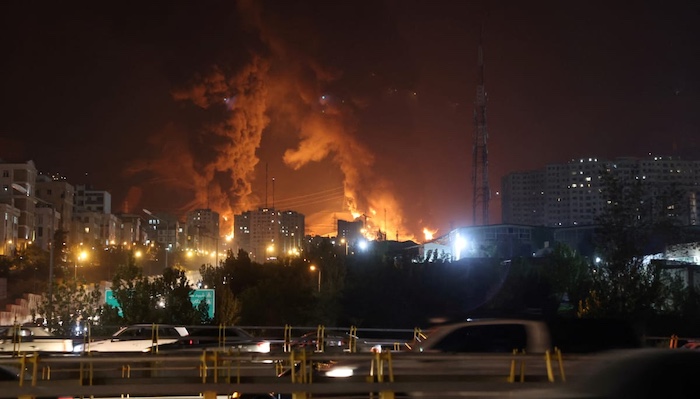
Israel on Monday launched airstrikes on a major petrochemical facility in southwestern Iran, marking the first reported attack on Iranian energy infrastructure since a ceasefire was reached in April and intensifying fears of a renewed regional conflict.
The Israeli military said the operation targeted facilities within the Mahshahr petrochemical complex, along with several military installations across Iran. Iranian authorities confirmed that sections of the plant sustained damage, though no fatalities were reported.
The attack came amid reports that United States President Donald Trump had urged Israeli Prime Minister Benjamin Netanyahu to avoid further military action as Washington works to secure a broader peace agreement with Tehran.
Speaking to the Financial Times, Trump dismissed suggestions that the strikes would derail ongoing negotiations, saying, “It’s not going to have any impact on the deal. I call the shots. I call all the shots. He doesn’t call the shots.”
Despite those remarks, fresh Israeli attacks were launched hours later, prompting Iran to respond with missile strikes targeting Israeli territory. Israeli officials said the incoming missiles were intercepted by the country’s air defense systems.
The latest escalation also drew in Yemen’s Iran-backed Houthi movement, which claimed responsibility for a missile attack on Israel—the first since the April ceasefire—and warned that Israeli-linked maritime activities in the Red Sea could become targets.
In a statement, the Houthis declared that they considered all hostile movements legitimate military objectives for their forces.
The renewed hostilities rattled global energy markets, with Brent crude oil prices climbing more than three percent to exceed $96 per barrel amid concerns that escalating tensions could disrupt international energy supplies.
Israeli officials maintained that the strikes were aimed at degrading Iran’s missile capabilities and military infrastructure. However, Iran’s Revolutionary Guards alleged that Israel employed air-launched ballistic missiles during the operation.
Analysts view the attack on the Mahshahr petrochemical complex as a significant escalation because it directly targeted energy infrastructure rather than exclusively military assets. Iranian state media reported that five production lines at the facility have been damaged since the conflict began earlier this year.
According to a report by Axios, Trump reportedly told Netanyahu during a phone conversation on Sunday to refrain from additional military operations, arguing that negotiators were close to reaching a breakthrough agreement.
Neither the White House nor Netanyahu’s office immediately commented on the reported discussion.
The continuing conflict has complicated diplomatic efforts between Washington and Tehran. Although both sides have repeatedly indicated progress toward a possible agreement, recurring military confrontations have threatened to undermine negotiations.
Trump has expressed confidence that a diplomatic solution remains within reach while simultaneously warning of severe consequences should talks collapse.
Speaking in an interview with NBC News aired on Sunday, the U.S. president said, “We’re very close to a deal, or I’m going to blow the hell out of them.”
Iran has continued to insist that any lasting agreement must include relief from sanctions, access to frozen financial assets, and guarantees concerning regional security arrangements.