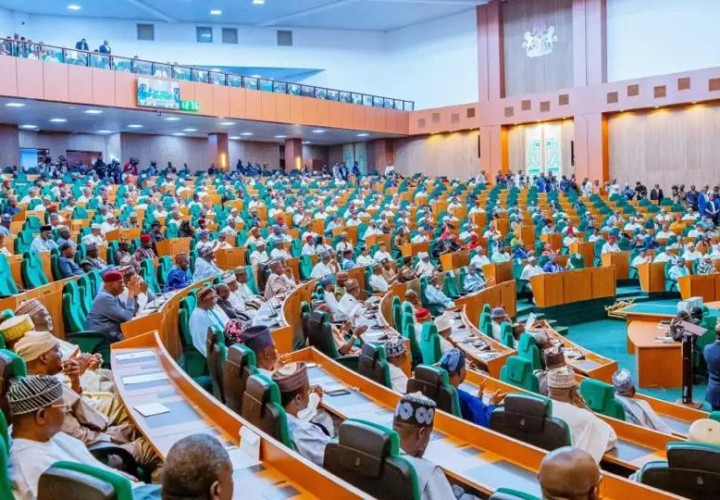
In a significant legislative move, the House of Representatives has approved President Bola Tinubu’s request to borrow $347 million as part of Nigeria’s 2025–2026 borrowing plan. The newly approved funding is earmarked for critical infrastructure projects, notably the Lagos-Calabar Coastal Highway and a rural telecommunications initiative.
The loan request was read on the House floor during plenary by Speaker Tajudeen Abbas. According to the President’s correspondence, the Lagos-Calabar highway project requires an additional $47 million, raising its total financing from $700 million to $747 million. The increase, he explained, stems from a shortfall in original lender commitments that is now being addressed through export credit agencies.
President Tinubu stated that the additional funding was necessary to align the project with the terms set in the finance documents, ensuring seamless execution of the flagship road project aimed at connecting southern economic hubs.
Beyond road infrastructure, $300 million from the loan package will fund the Nigerian Universal Communications Access Project, a nationwide effort to bridge the digital divide. The initiative seeks to deploy 7,000 telecom towers across remote and underserved communities, bringing internet and mobile connectivity to millions.
The House also noted that this approval nudges the country’s external borrowing portfolio under the 2025–2026 plan from $21.54 billion to $21.89 billion. The request was first submitted to the National Assembly in May and includes other proposed borrowings: €2.19 billion, ¥15 billion, and a €65 million grant.
Presenting the report to the House, Chairman of the Committee on Aids, Loans, and Debt Management, Abubakar Nalaraba, assured lawmakers that the country’s current debt level remains within manageable limits. He stated that Nigeria’s debt-to-GDP ratio stands at approximately 50 percent—below the international benchmark of 56 percent.
Nalaraba also emphasized that recent fiscal reforms have reduced the country’s debt service-to-revenue ratio from over 90 percent to under 70 percent. He projected further improvements in revenue generation, citing the upcoming Nigerian Tax Act 2025, which is expected to boost earnings by over 18 percent annually starting in 2026.
Deputy Speaker Benjamin Kalu, who presided over the later part of the plenary, announced the House’s final approval of the borrowing request, marking another step in the administration’s infrastructure development agenda.