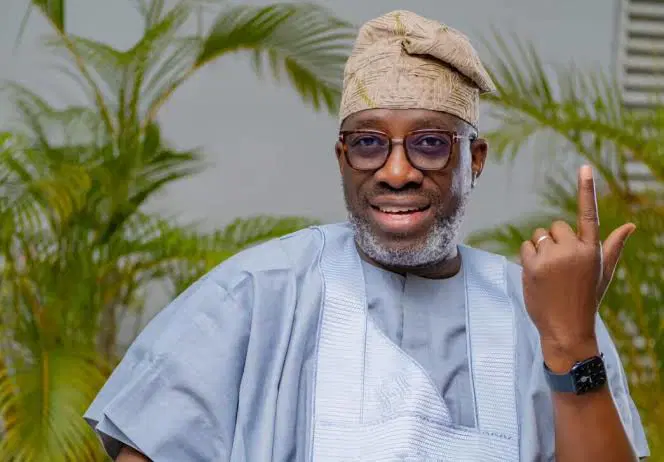
Former spokesperson for Atiku Abubakar’s 2019 presidential campaign, Segun Showunmi, has sparked a heated debate over media ethics and accountability, calling for stricter regulation of Nigeria’s broadcast industry and accusing some television hosts of abandoning professionalism for provocation.
In a strongly worded post on X (formerly Twitter) on Tuesday night titled “ENOUGH IS ENOUGH: WHEN BROADCASTERS BECOME THE STORY,” Showunmi criticized what he described as the “growing lack of professionalism” among television anchors and urged both the Ministry of Information and the National Broadcasting Commission (NBC) to act decisively.
“When television anchors abandon professionalism for provocation, it becomes the duty of the station’s management to call them to order,” he wrote. “But when that failure becomes routine, the National Broadcasting Commission must step in.”
Showunmi cautioned that while freedom of expression is a fundamental right, it should not be mistaken for a license to insult or abuse. He emphasized that regulation is essential to maintaining national order and protecting the integrity of public discourse.
“The supervising Ministry of Information must not remain a bystander while citizens invited in good faith are subjected to insult, rudeness, partisan aggression, and empty intellectual showmanship,” he stated. “Let it be clear: freedom of expression is not freedom to abuse. Regulation is not repression; it is the defence of sanity and national interest. The time has come to draw the line.”
The former presidential aide argued that while certain excesses may be overlooked in online content such as podcasts, they are unacceptable in licensed national broadcasting. “What can be excused from a citizen’s podcast we cannot and must not tolerate from a licensed national broadcaster,” he wrote.
Showunmi singled out Arise Television and its popular morning show anchor, Rufai Oseni, accusing them of overstepping journalistic boundaries. “The madness must stop. #ARISEtv and its anchor, #ruffydfire (Rufai Oseni), have crossed too many lines. They cannot continue to constitute themselves into self-appointed prosecutors, judges, and enemies of the state under the guise of journalism,” he wrote. “There is a difference between questioning power and attacking the very idea of order.”
His remarks followed a tense live interview earlier on Tuesday between Minister of Works, Dave Umahi, and Oseni during a discussion on the Lagos–Calabar Coastal Highway project. Questions about the project’s cost and funding sparked a heated exchange that quickly gained public attention.
However, Showunmi’s comments drew swift backlash from some quarters. Human rights activist Mahdi Shehu accused him of hypocrisy and defending censorship, suggesting his stance was politically motivated.
“When they appoint you the DG of NBC, you can shut down Arise if you like,” Shehu wrote in response. “Or even now you can approach Tinubu to shut down Arise, Premium Times, Sahara Reporters, etc., so that evil will triumph over falsehood for a short while. When sellouts sell all they have and the proceeds are shrinking, they will seek to look for another opportunity to restock and replenish. Such is the sad commentary of the recanting Segun. Good riddance to a stupid, stinking rubbish.”
The exchange underscores a growing national conversation about the balance between press freedom and responsible broadcasting — a debate likely to intensify as Nigeria grapples with questions of media regulation, accountability, and democratic governance.