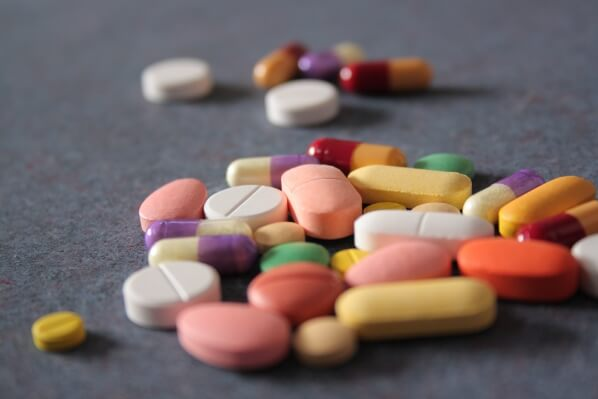
Nigerians are bracing for continued high drug prices in 2024, as the import prices of pharmaceutical products are anticipated to exceed N900bn due to the depreciation of the naira. This looming challenge adds further pressure on citizens who grappled with elevated drug costs throughout 2023.
Data from the International Trade Center reveals that Nigeria imported $1.05bn worth of pharmaceutical products in 2022. At the exchange rate of that time (N451/$), it cost N475.17bn. However, with the current exchange rate as of February 19, 2024 (N902.45/$), the cost is projected to rise to N950.81bn. The multilateral agency, relying on data from the National Bureau of Statistics and the United Nations COMTRADE, highlighted the absence of foreign trade records for the fourth quarter of 2023, necessitating the use of 2022’s data.
Pharmaceutical products encompass a broad range, including medicines, therapeutic substances, and medical supplies. Nigeria primarily imports these products from countries such as India, China, Malaysia, Netherlands, and Belgium. Since 2019, the country’s pharmaceutical imports have consistently exceeded the $1bn mark, reaching $1.45bn in 2019, $2.84bn in 2020, $1.37bn in 2021, and $1.05bn in 2022.
The year 2024 is expected to witness a further increase in pharmaceutical imports following the decisions of foreign drug companies to focus on importation. Notably, GlaxoSmithKline Consumer Nigeria Plc and Sanofi announced plans in 2023 to transition to third-party distribution models, leading to a surge in drug prices.
The cost of drugs has already risen above 100 per cent, attributed to Nigeria’s climbing inflation and foreign exchange crisis. A pharmaceutical professor at the University of Lagos, Boladele Silva, highlighted the vulnerability of Nigeria’s pharmaceutical industry to economic shocks, as active pharmaceutical ingredients are often imported.
SBM Intelligence, a data insight firm, analyzed the impact, revealing that the cost price of Ampiclox recorded a 346 percentage point increase between 2022 and 2023, while the selling price of Amoxil experienced a jump of over 400 percentage points in the same period. Both drugs are manufactured by GlaxoSmithKline.
Addressing the crisis, President Bola Tinubu endorsed three resolutions at a recent Federal Executive Council meeting to tackle the rising cost of pharmaceuticals. The Coordinating Minister of Health and Social Welfare, Prof. Ali Pate, announced the decisions, emphasizing the need for sector regulation to protect the health and well-being of Nigerians and address the human resources crisis in the health sector. The pharmaceutical industry is anxiously awaiting the implementation of these measures to alleviate the burden on consumers.