The Federal Government has strongly condemned the renewed wave of xenophobic attacks against Nigerians and other African nationals in South Africa, calling on the South African government to take immediate and decisive measures to end the violence.
The development comes as President Bola Tinubu declined to personally receive a special envoy sent by South African President Cyril Ramaphosa, directing instead that the delegation hold talks with the Minister of State for Foreign Affairs, Ambassador Sola Enikanolaiye, in Abuja.
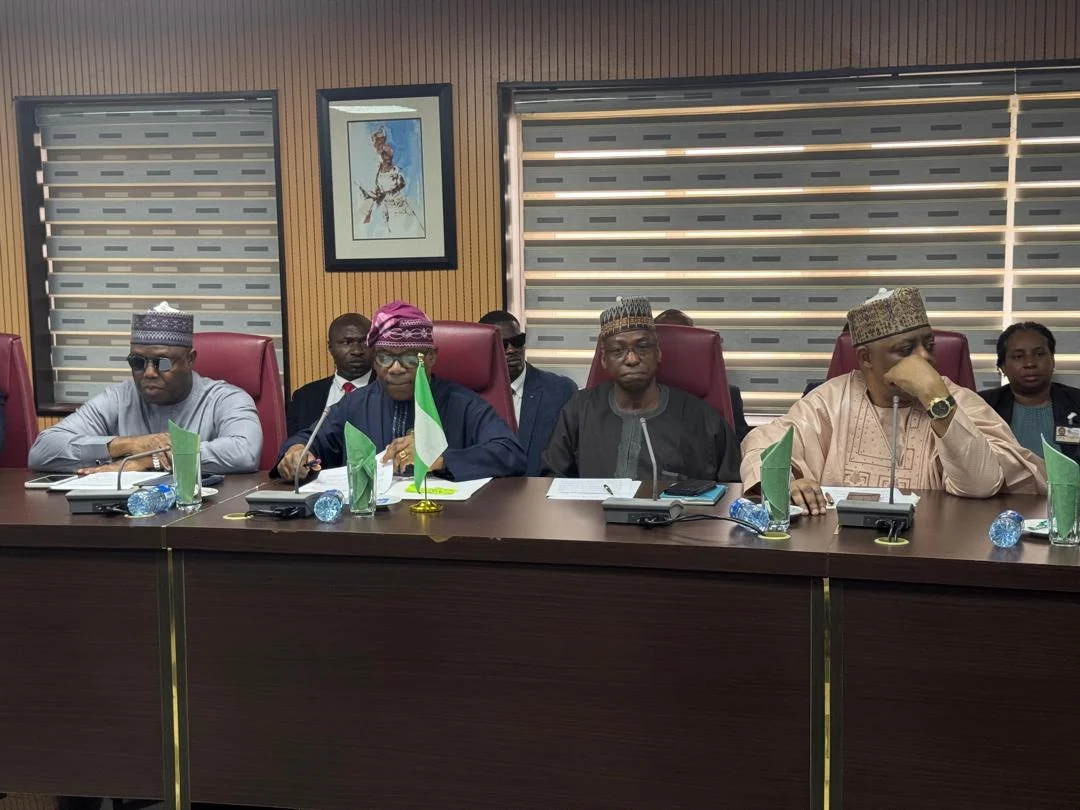
The South African delegation, led by the country’s Minister of International Relations and Cooperation, Ronald Lamola, met with Enikanolaiye on Monday after reportedly arriving in Nigeria on Friday with a message from President Ramaphosa.
Presidency sources said Tinubu opted not to meet the delegation amid growing diplomatic tension over the continued attacks on Nigerians and their businesses in South Africa.
According to the sources, the President instructed the delegation to engage with the Ministry of Foreign Affairs, with the outcome of the discussions to be presented to him afterward.
Speaking during the meeting, Enikanolaiye said Tinubu had directed the discussions to explore ways of resolving the persistent attacks, stressing that the long-standing relationship between Nigeria and South Africa should not be undermined by violence targeting African migrants.
The minister expressed disappointment over what he described as a recurring pattern of xenophobic attacks spanning more than three decades, recalling incidents recorded in 1995, 1998, 2006, 2015, 2016, 2019, 2021, 2024 and 2026.
He disclosed that at least 98 Nigerians had been killed in mob attacks and hate-related violence since 2022, insisting that while Nigeria does not support criminal activities, anyone accused of wrongdoing should face prosecution through lawful judicial processes rather than mob justice.
Enikanolaiye also voiced concern that many Nigerians legally residing in South Africa had become victims of attacks, alleging that security agencies had, in some instances, failed to intervene to protect lives and property.
He further recalled previous evacuations of nearly 1,500 Nigerians from South Africa following earlier outbreaks of violence, describing the humanitarian impact as devastating.
The latest diplomatic engagement follows another wave of xenophobic violence that prompted Nigeria to approve evacuation flights for stranded citizens, with more than 1,000 Nigerians reportedly registering for voluntary repatriation.
Responding on behalf of the South African government, Lamola said President Ramaphosa remained firmly opposed to xenophobia, racism and all forms of discrimination.
He, however, emphasized that South Africa would continue to enforce its immigration laws and tackle criminal activities within its borders, while expressing confidence that sustained dialogue between both countries would help ease the diplomatic strain.
Relations between Africa’s two largest economies have worsened in recent weeks following repeated attacks on Nigerians and other foreign nationals. The House of Representatives has recommended the suspension of business permits for South African companies operating in Nigeria, while the Senate has sent a delegation to Pretoria to formally convey Nigeria’s concerns over the recurring violence.