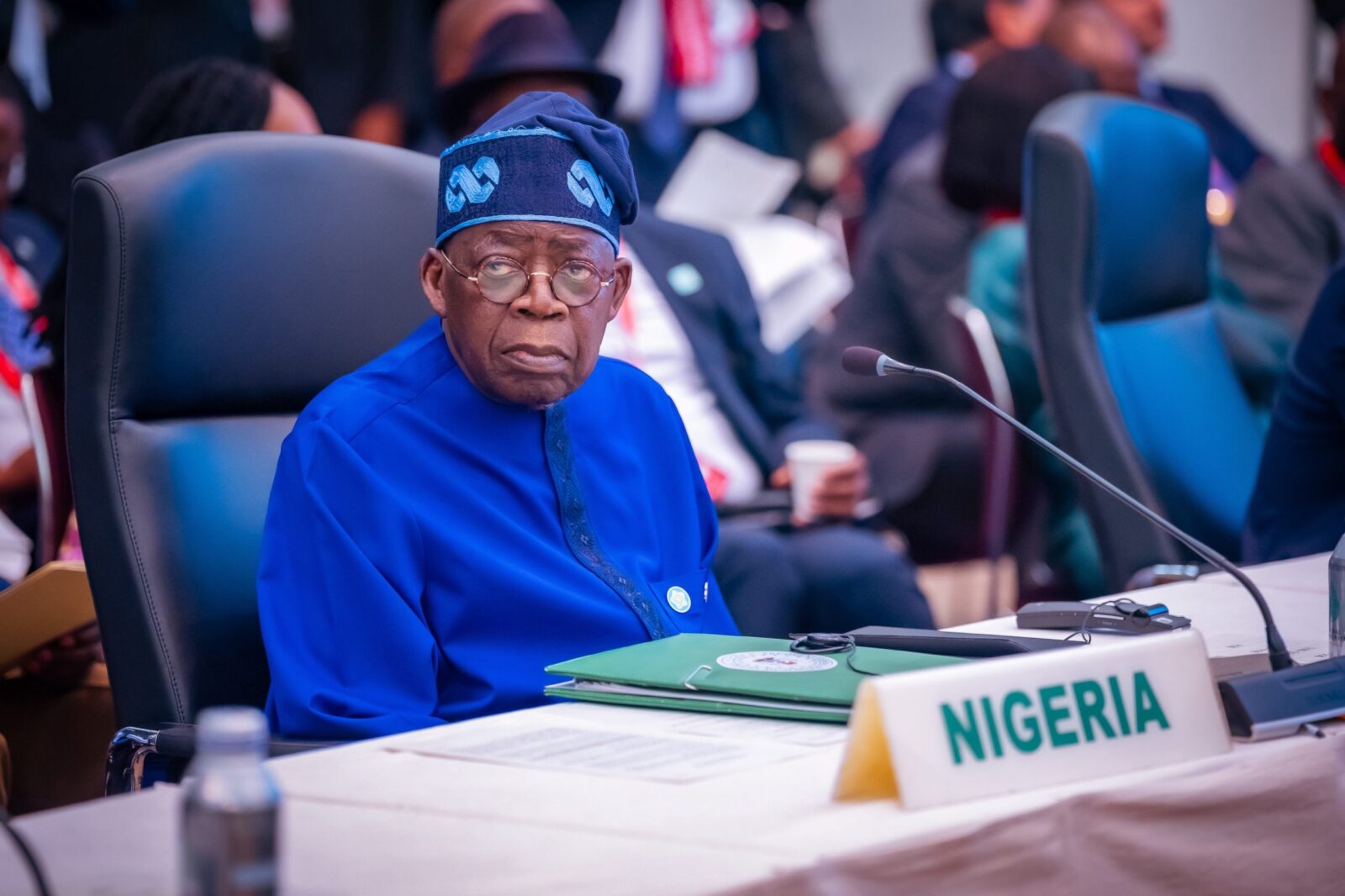
President Bola Tinubu has called for a major restructuring of the United Nations Security Council, demanding at least two permanent seats for Africa with veto powers, alongside five non-permanent seats for the continent.
Tinubu made the call in Nigeria’s statement to the General Debate of the 81st Session of the UN General Assembly in New York. The address was delivered on his behalf by Vice President Kashim Shettima. The 81st General Debate is being held from September 22 to 28, 2026.
The President argued that the composition of the Security Council should reflect contemporary global realities rather than the balance of power that existed when the United Nations was established in 1945.
He said Nigeria supported the African Union’s Common African Position, as outlined in the Ezulwini Consensus and Sirte Declaration, which calls for at least two permanent African seats with the same rights and privileges as existing permanent members, including veto power if the veto is retained, as well as five non-permanent seats.
“The reform of this institution must begin with the reconstitution of the Security Council, for the world of 2026 cannot remain captive to the distribution of power in 1945,” Tinubu said.
“Africa cannot continue to fill the Council’s agenda while remaining absent from its permanent membership.”
The African position is also reflected in a 2026 African Union model submitted to the UN reform process, which calls for no fewer than two permanent African seats with veto rights if the veto continues to exist, in addition to five non-permanent seats.
The Security Council currently has 15 members, including five permanent members — China, France, Russia, the United Kingdom and the United States — all of which possess veto power.
Nigeria’s Peace and Security Role
Tinubu said Nigeria was prepared to assume greater responsibilities in maintaining international peace and security, citing its involvement in peacekeeping and mediation efforts in Liberia, Sierra Leone, Darfur, Mali and The Gambia.
He also highlighted Nigeria’s engagement through the Economic Community of West African States, the African Union and Gulf of Guinea partnerships in areas including mediation, dem