United States President Donald Trump has declared that the ceasefire with Iran is effectively over, dismissing ongoing diplomatic efforts as renewed hostilities between both nations intensified around the strategic Strait of Hormuz.
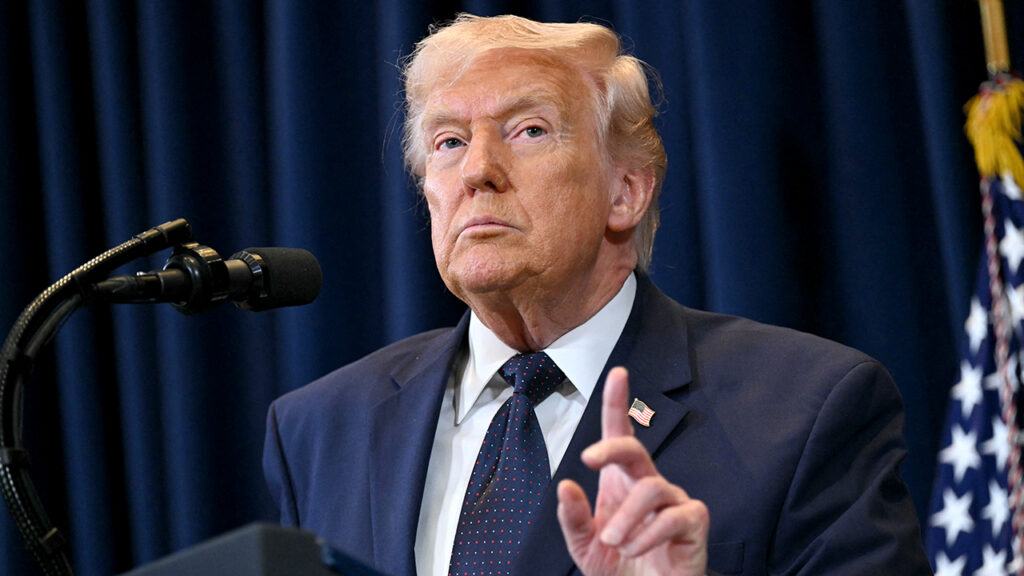
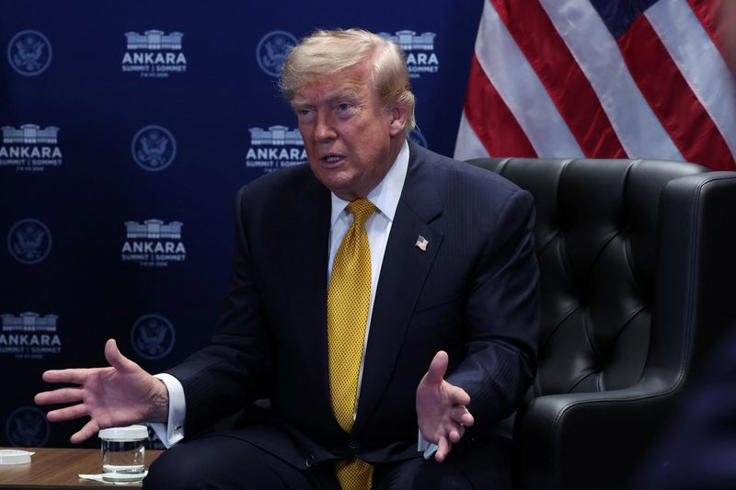
Speaking during a NATO summit in Turkey on Wednesday, Trump said he no longer believed the truce remained in force following a fresh wave of military confrontations and attacks on commercial shipping.
“As far as I’m concerned, it’s over,” Trump said when asked whether the ceasefire was still intact. He added that continued negotiations with Tehran were “a waste of time,” although he said US negotiators could continue discussions if they wished.
The renewed conflict has sparked fresh concerns over global energy supplies, with oil prices climbing by about five percent after Trump’s remarks.
The latest escalation follows a series of reported Iranian attacks on vessels navigating the Strait of Hormuz, one of the world’s most important oil transit routes. Tehran has maintained that it intends to regulate passage through the waterway, proposing transit fees while warning that vessels failing to comply with its designated routes could face military action.
Iranian state media reported multiple explosions on Wednesday across several locations, including Qeshm Island, Sirik, Bandar Abbas and Bushehr, home to the country’s only civilian nuclear power plant. Authorities also confirmed that a member of the Islamic Revolutionary Guard Corps (IRGC) was killed in southwestern Iran.
The United States Central Command (CENTCOM) announced that American forces had struck more than 80 Iranian military targets, including coastal radar systems, air defence installations and dozens of IRGC boats. According to CENTCOM, the operation was intended to weaken Iran’s ability to threaten international shipping through the vital maritime corridor.
Iran responded by claiming it had launched strikes against multiple US military facilities in Kuwait and Bahrain. Authorities in both Gulf countries later confirmed that their air defence systems had been activated, although they did not immediately report casualties or damage.
Iran’s chief negotiator, Mohammad Bagher Ghalibaf, accused Washington of violating the existing memorandum of understanding by restoring sanctions on Iranian oil exports and interfering with Iran’s activities in the Strait of Hormuz.
The dispute deepened after the US Treasury revoked a licence that had temporarily permitted Iran to produce and export crude oil through August, increasing economic pressure as negotiations over a broader settlement continue.
A US official, speaking anonymously, insisted that any benefits for Iran under the memorandum depended entirely on Tehran’s compliance, warning that attacks on international shipping would have consequences.
Meanwhile, Britain’s maritime security agency reported that three commercial vessels were struck near the Strait of Hormuz, including the Marshall Islands-flagged Al Rekayyat, the Saudi Arabia-flagged Wedyan and the Liberia-flagged Cyprus Prosperity. One of the vessels reportedly caught fire after being hit by an unidentified projectile.
Qatar also condemned an attack on one of its vessels, describing it as an unacceptable assault on international maritime navigation, and lodged a formal protest with Iran.
Security analysts say Tehran’s actions reflect its determination to maintain control over the Strait of Hormuz as negotiations continue over the future administration of one of the world’s busiest shipping lanes. The latest military exchanges have raised fears that the fragile diplomatic process could collapse entirely, further destabilising the region and disrupting global oil markets.