The United States has denied entry to a high-level Iranian delegation scheduled to attend the 2026 FIFA World Cup draw, escalating political tensions between the two countries just months before the global football event kicks off across North America.
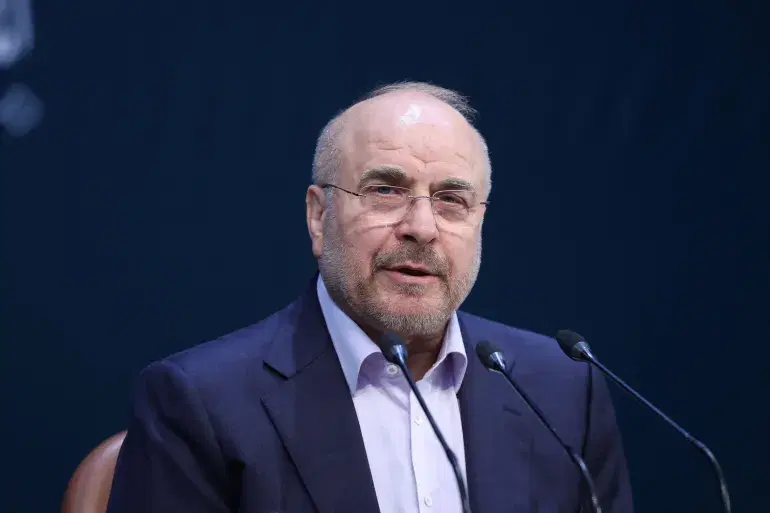
According to Amir-Mehdi Alawi, spokesperson for the Iranian Football Federation (FFI), U.S. authorities barred FFI President Mehdi Taj, national team head coach Amir Ghalenoei, and seven other senior officials from entering the country to participate in the draw, scheduled for December 5 in Washington, D.C.
The decision has drawn swift condemnation from Tehran, with the FFI now turning to FIFA President Gianni Infantino in hopes of overturning the travel ban. “We are optimistic that FIFA’s leadership will intervene and resolve this situation within the next two weeks,” Alawi told Iran’s Shargh daily.
The travel restrictions are believed to stem from existing U.S. entry bans on Iranian nationals, a policy that traces back to the Trump administration and remains largely in place. The move has revived fears that Iran’s national team — which has already qualified for the 2026 World Cup — could face logistical and political hurdles during the tournament, co-hosted by the United States, Canada, and Mexico.
While analysts believe that Iran’s players and coaching staff are unlikely to face major entry issues, concerns persist for federation officials, sports journalists, and fans who may be prevented from traveling to matches in the U.S. The FFI is now lobbying FIFA to ensure that Iran’s fixtures are held in Canada or Mexico, where visa restrictions are expected to be less stringent.
The latest diplomatic standoff underscores the decades-long hostility between Tehran and Washington, which have had no formal diplomatic relations for more than 45 years. The two countries are considered geopolitical adversaries, despite the presence of nearly two million Iranians living in the U.S., many of whom have historically been able to reunite with family members despite cumbersome visa processes.
However, even these family reunions have become increasingly difficult under the current restrictions — a development now spilling over into the world of sports.
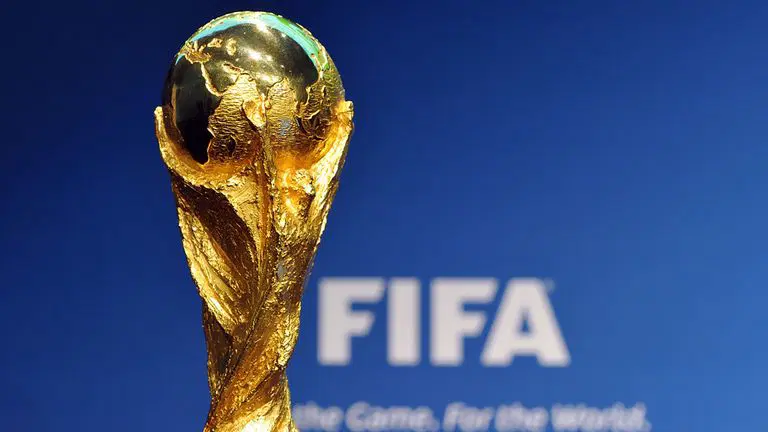
As FIFA prepares for the final draw, the entry ban threatens to overshadow what was expected to be a major milestone in the build-up to the 2026 FIFA World Cup, raising broader questions about politics and inclusivity in global sporting events.