Washington, D.C., Oct. 1, 2025 — The United States government began shutting down in the early hours of Wednesday after President Donald Trump and lawmakers failed to reach a last-minute budget agreement, triggering the nation’s first federal work stoppage in nearly seven years and plunging Washington into renewed political turmoil.
The shutdown, which took effect at 12:01 a.m. (0401 GMT), followed days of intense but fruitless negotiations between Republicans and Democrats. The deadlock centers on Democratic demands to restore hundreds of billions of dollars in health care funding — particularly for Obamacare — that the Trump administration is poised to eliminate.
The impasse will halt operations across multiple federal agencies, sending shockwaves through the public sector and affecting millions of Americans who rely on government services. According to the Congressional Budget Office, as many as 750,000 federal employees could be furloughed daily without pay until the shutdown ends.
“This is the Republican shutdown,” former Vice President Kamala Harris wrote on X (formerly Twitter), blaming the ruling party, which currently controls the White House and both chambers of Congress. “They are responsible for the consequences that follow.”
A Familiar Crisis, Deepened by Sharp Divisions
The shutdown is the first since the record 35-day closure during Trump’s previous term and marks the 21st federal shutdown since 1976, when the modern budgeting process was introduced. Despite repeated crises over funding deadlines, Congress typically avoids full shutdowns — but deep partisan divisions this time proved insurmountable.
Senate Democrats, led by Chuck Schumer, rejected a short-term, seven-week funding measure passed by the Republican-controlled House just hours before the midnight deadline. They insisted on restoring health care provisions slashed from the budget draft.
“The Republican shutdown has just begun because Republicans wouldn’t protect America’s health care,” Schumer declared in a video statement posted shortly before the deadline, showing a clock ticking toward midnight over the U.S. Capitol.
Trump: “A Lot of Good Can Come From Shutdowns”
President Trump, speaking from the Oval Office, downplayed the crisis and suggested that the shutdown could serve as an opportunity to reshape government priorities.
“A lot of good can come down from shutdowns,” Trump told reporters. “We’d be laying off a lot of people that are going to be very affected. And they’re Democrats — they’re going to be Democrats. We’ll get rid of a lot of things we didn’t want, and they’d be Democrat things.”
He also hinted at further job cuts, escalating concerns among federal employees already shaken by large-scale layoffs carried out earlier this year under Elon Musk’s Department of Government Efficiency.
Political Fallout and Public Impact
Republicans and Democrats swiftly traded blame as the shutdown took effect. House Speaker Mike Johnson accused Schumer of prolonging the crisis “for his own selfish reasons,” warning that the consequences would be immediate and severe.
“Results: Moms and kids now lose WIC nutrition. Veterans lose health care and suicide prevention programs. FEMA has shortfalls during hurricane season. Soldiers and TSA agents go unpaid,” Johnson posted on X.
While essential services such as the U.S. Postal Service, military operations, Social Security, and food assistance programs will continue, the broader government halt is expected to disrupt daily life for millions and could deepen economic uncertainty if it drags on.
A Shutdown With No Clear End in Sight
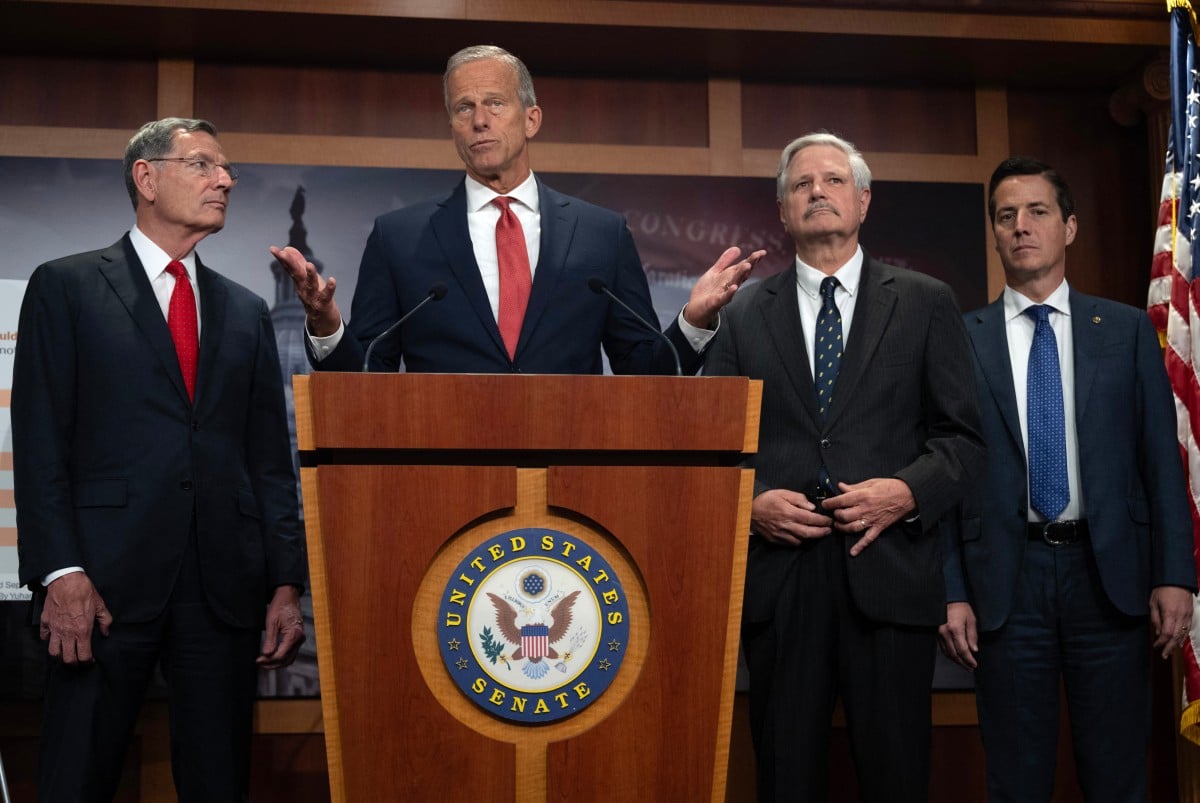
The Senate requires 60 votes to pass funding legislation — seven more than Republicans currently control — leaving both sides locked in a high-stakes battle with no clear resolution on the horizon. Republicans offered a stopgap bill to fund the government through late November, but Democrats refused to compromise without substantial health care allocations.
With negotiations stalled and no breakthrough in sight, the length of the shutdown remains uncertain. The last major shutdown in 2018–2019, triggered by a dispute over border wall funding, lasted 35 days, the longest in U.S. history.
For now, Washington braces for an uncertain period of political brinkmanship — one that will test both the resilience of government institutions and the patience of the American public.