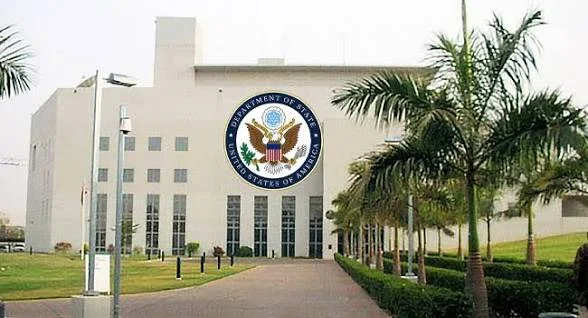
The United States Department of State has clarified that the U.S. Embassy in Abuja remains open and fully operational despite changes to routine visa processing services in Nigeria and several other African countries.
The clarification followed the U.S. government’s announcement of a realignment of routine visa processing operations across Africa, effective August 1, 2026.
Under the new arrangement, routine visa services previously handled in Abuja are being transferred to designated regional visa hubs as part of efforts to strengthen security screening, improve operational efficiency and align overseas operations with U.S. national interests.
The change affects several diplomatic missions across Africa, including those in Abuja, Antananarivo, Asmara, Bamako, Banjul, Brazzaville, Bujumbura, Conakry, Cotonou, Durban, Freetown, Gaborone, Harare, Juba, Libreville, Lilongwe, Lusaka, Maputo, Maseru, Mbabane, N’Djamena, Niamey, Nouakchott, Ouagadougou and Windhoek.
However, the State Department stressed that the transfer of routine visa processing does not amount to the closure of any of the affected embassies or consulates.
“The realignment of routine visa processing does not change the operating status of any of the embassies and consulates or the important work they continue to conduct on behalf of the American people,” the department said in response to a frequently asked question about the policy.
The department said the move forms part of the Trump administration’s broader efforts to strengthen national security, reduce government waste and ensure that U.S. resources are deployed in line with American interests.
“President Trump is putting America and Americans first by strengthening national security, cutting government waste, and ensuring government works in the interests of the American people,” it said.
According to the State Department, the U.S. government regularly reviews its overseas operations to ensure they support its foreign policy priorities while maintaining strict security screening and vetting standards for visa applicants.
It explained that transferring routine visa services to regional hubs is an established practice designed to promote consistent screening, vetting and adjudication procedures while improving efficiency.
The department said the model has already been successfully implemented in several countries in Africa and Europe.
What the Changes Mean for Nigerians
Beginning August 1, Nigerians seeking U.S. visas through the affected routine processing system will be required to schedule appointments and pay applicable visa fees at designated Nonimmigrant Visa Locations or Immigrant Visa Locations, depending on the category of visa being sought.
The new arrangement applies to citizens and residents of countries whose routine visa processing has been transferred to regional hubs.
The State Department also stressed that other existing visa restrictions remain in force, including visa suspensions under Presidential Proclamation 10998, visa bond requirements and immigrant visa pauses affecting certain nationalities.
Despite the changes, the U.S. Embassy in Abuja will continue its diplomatic and consular activities.
The development therefore represents a relocation of routine visa processing services, not the closure of the U.S. Embassy in Abuja.