The United States House of Representatives has approved a record-setting $1.15 trillion defense policy bill, authorizing increased military spending as the country’s conflict with Iran continues.
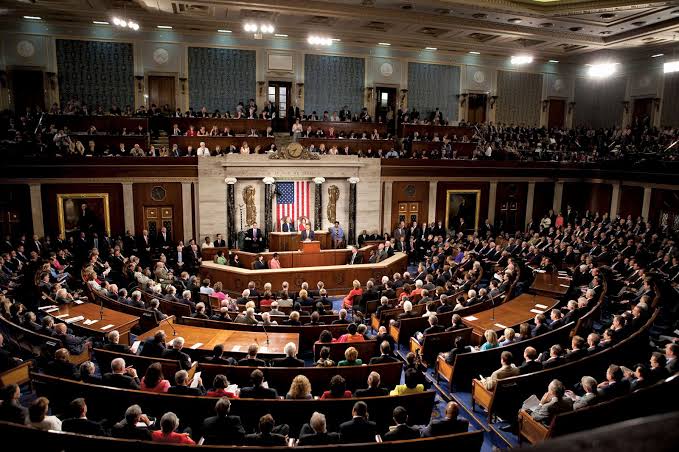
The 2027 National Defense Authorization Act (NDAA) passed the House on Wednesday in a narrow 216-212 vote, reflecting growing partisan divisions despite the legislation’s long history of bipartisan backing. The measure now heads to the Senate for consideration.
The bill proposes roughly $250 billion more in defense spending than the 2026 NDAA and includes a 5 to 7 percent pay raise for members of the US Armed Forces.
House Speaker Mike Johnson said the legislation would strengthen America’s military capabilities while improving welfare for service members.
“This legislation provides our brave servicemembers with an overdue pay raise, strengthens our nuclear deterrence and missile defense — including construction of the Golden Dome,” Johnson said.
The proposed “Golden Dome” missile defense initiative is a key priority of President Donald Trump, who has described it as a nationwide defensive shield modeled after Israel’s Iron Dome system.
Republicans on the House Armed Services Committee said the increased funding would help replenish military stockpiles depleted during the ongoing conflict with Iran while enhancing the country’s defense readiness.
However, the measure drew strong opposition from Democrats, who criticized both the size of the spending package and the administration’s military policies.
Representative Jerry Nadler opposed the legislation, arguing that it would provide excessive funding to the Trump administration and Defense Secretary Pete Hegseth.
“The NDAA is a costly, bad bill that funds an illegal war and undermines our democracy,” Nadler said.
The bill also became more contentious after Republicans attached President Trump’s proposed SAVE America Act, which would introduce new nationwide voting restrictions. Democrats condemned the move, warning it could complicate the bill’s chances of clearing the Senate.
Another provision attracting debate calls for expanded military cooperation between the United States and Israel, further fueling disagreements over the legislation.
The Senate is expected to take up the defense authorization bill in the coming weeks, where lawmakers are likely to face intense negotiations over its funding levels and controversial policy provisions.