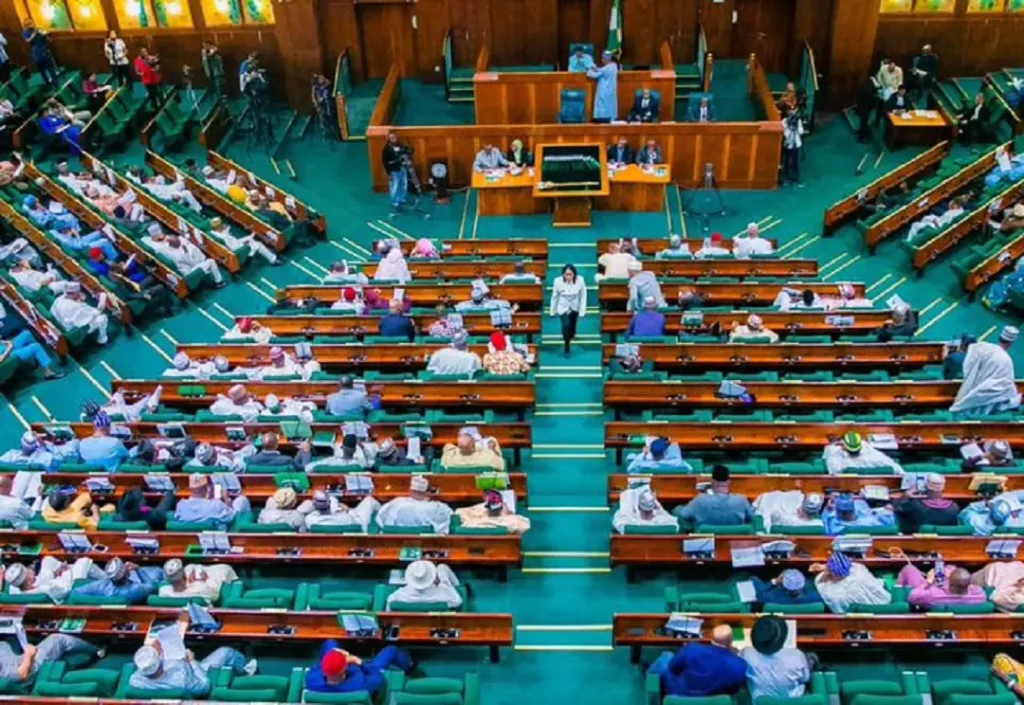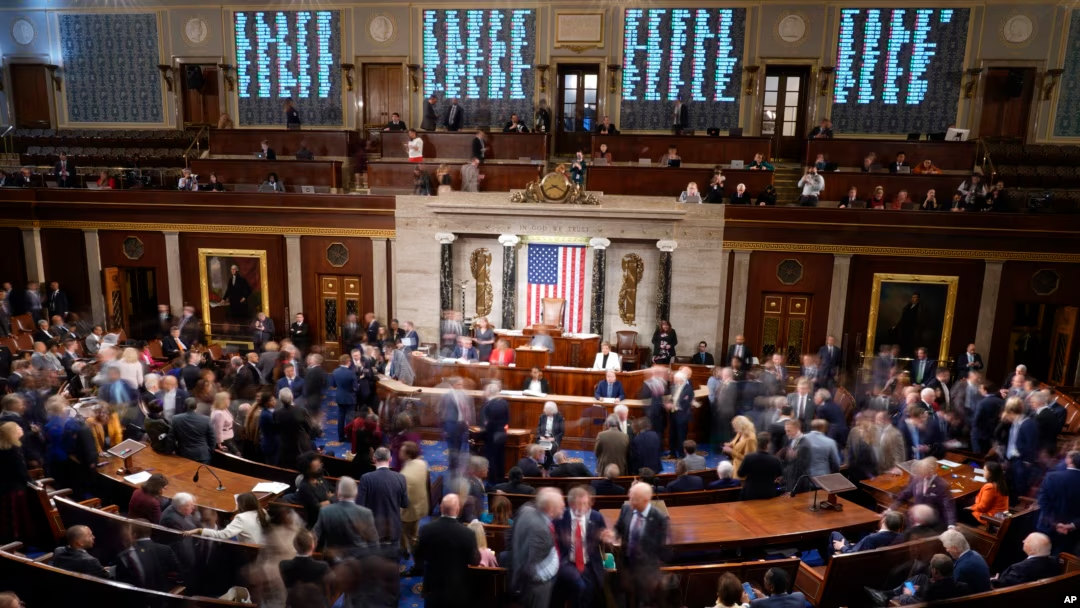
The United States House of Representatives has approved a $70 billion funding package for Immigration and Customs Enforcement (ICE) and the Border Patrol, bringing an end to months of political deadlock over immigration enforcement spending.
The Republican-led chamber passed the legislation by a narrow 214-212 vote, with support and opposition largely split along party lines. The bill now awaits President Donald Trump’s signature at the White House.
One lawmaker, Kevin Kiley, who previously belonged to the Republican Party but now serves as an independent, joined Democrats in voting against the measure.
The House vote came after the Senate approved the same legislation last week following lengthy deliberations. Republican lawmakers relied on the budget reconciliation process to advance the bill, enabling them to avoid potential procedural hurdles from Democratic opponents.
The funding dispute had previously contributed to a 76-day partial shutdown of the Department of Homeland Security earlier this year. The impasse was temporarily resolved in April through a bipartisan agreement that provided funding for non-enforcement agencies through the remainder of the fiscal year.
Negotiations over the package became increasingly contentious after President Trump sought additional allocations, including funding for security improvements at the White House and an anti-weaponisation initiative. Lawmakers later removed the proposed ballroom funding, while efforts to impose restrictions on the anti-weaponisation programme failed. Despite that outcome, the administration has indicated that the programme will not move forward.
Supporters of the bill argue that the funding is necessary to strengthen border security and immigration enforcement operations, while critics contend that the package expands enforcement powers without addressing broader immigration reforms.