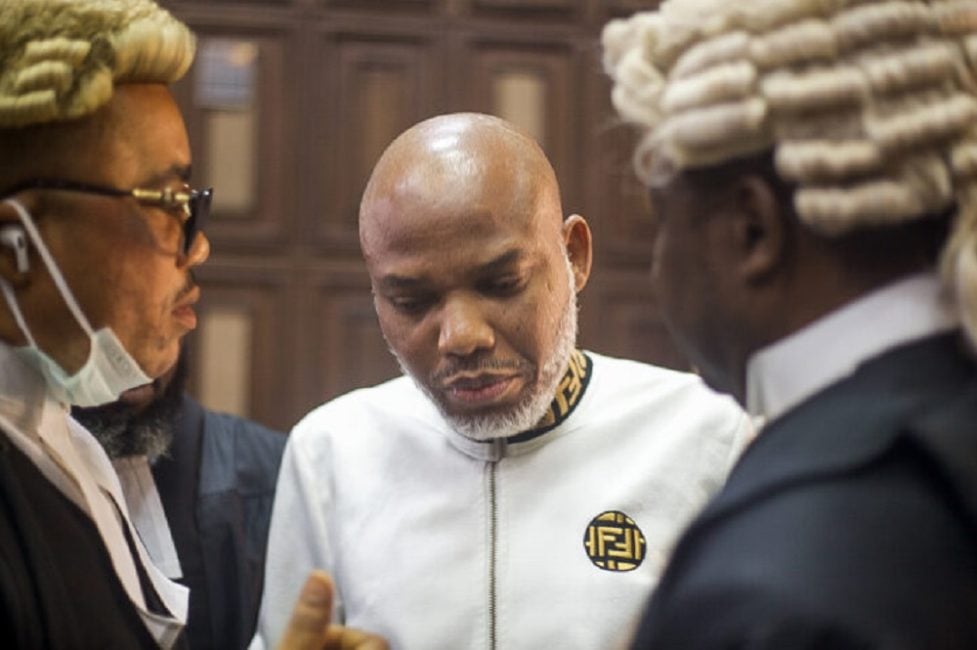
A Federal High Court sitting in Abuja has admitted into evidence a controversial intelligence report from the Department of State Services (DSS), alleging that IPOB leader Nnamdi Kanu incited widespread violence during the 2020 #EndSARS protests, resulting in the deaths of 186 police officers and the destruction of 164 police stations across 17 states.
Justice James Omotoso admitted the report on Thursday during a resumed hearing in Kanu’s ongoing terrorism trial. The prosecution team, led by Chief Adegboyega Awomolo (SAN), tendered the documents through the fifth prosecution witness (PW5), a DSS operative identified only as “Mr EEE” for security reasons.
According to the testimony, Mr EEE was part of a DSS unit dispatched across the South-East and other parts of the country to collect data on the scale of destruction during the protests, which began as peaceful demonstrations against police brutality but later turned violent.
“I know the defendant through the media. I have never met him in person,” the witness told the court. “My assignment was to gather evidence on the destruction of public facilities and killings of security operatives allegedly incited by Nnamdi Kanu’s public statements.”
What the DSS Report Contains
The admitted materials include:
- A damage assessment report detailing the extent of infrastructure destruction,
- Death certificates of some of the deceased officers, and
- A certificate of compliance under the Evidence Act.
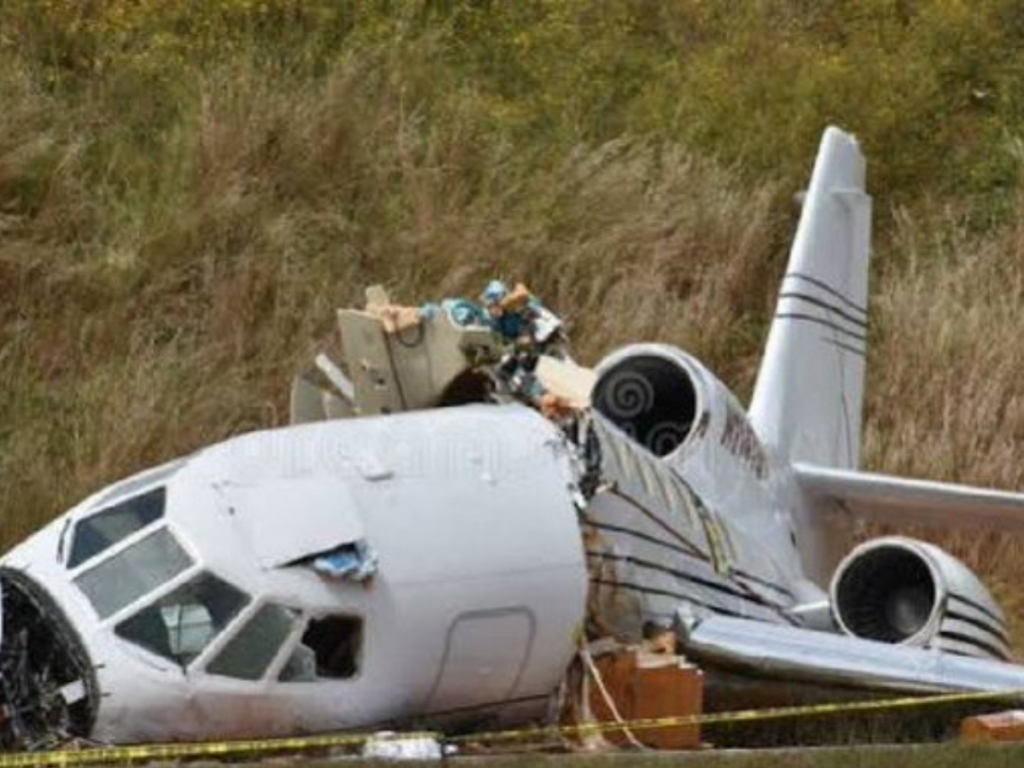
The DSS report claims that 186 police officers, 37 military personnel, and 10 DSS operatives were killed. Additionally, nine INEC offices were destroyed, along with police stations in states like Lagos, Abia, Anambra, Cross River, Delta, Ebonyi, and Rivers.
The defence team, led by Dr Onyechi Ikpeazu (SAN), objected to the admissibility of the documents and challenged their credibility during cross-examination.
“You were not assigned to investigate the defendant personally, correct?” Ikpeazu asked.
“Correct. My mandate was based on the general violence linked to statements made by the defendant,” the DSS witness replied.
Ikpeazu probed further, asking if the report made any direct and specific connection between Kanu’s alleged inciting statements and the #EndSARS protests or the violence that followed.
“This is a voluminous document,” Mr EEE admitted. “There’s no single caption that directly says IPOB killed the officers. It was inferred from intelligence reports and statements attributed to the defendant.”
Defence Points to Flaws in DSS Evidence
The defence highlighted multiple flaws in the DSS report, including:
- Photographs without timestamps,
- Lack of specific names, towns, or autopsy details of victims,
- The witness’s failure to personally sign the report, and
- Unclear timelines suggesting the report may have been compiled after the trial commenced.
Dr Ikpeazu also questioned whether similar investigations were conducted into the actions of other public figures like activist Aisha Yesufu, to which the DSS operative responded that his assignment did not include such individuals.
“The protest had legitimate origins,” the witness acknowledged. “But it was hijacked by subversive elements who then acted against the state.”
Court Sets Date for Arguments on No-Case Submission
Following the presentation, the prosecution requested the court to accept the evidence as part of its case, but the defence filed a no-case submission, insisting the prosecution had failed to establish a direct link between Kanu and the alleged offences.
Justice Omotoso gave both parties 14 days to file written arguments, with an additional two days for replies on points of law. The case was adjourned to July 18 for the adoption of arguments on the no-case submission.
Kanu, the leader of the now-proscribed Indigenous People of Biafra (IPOB), faces multiple charges, including terrorism, incitement, and defamation. His legal team maintains that the charges are politically motivated and lack substantive evidence.