Tensions between Israel and Iran have reached a new peak following a barrage of Iranian missile strikes on Thursday that injured at least 240 people, including patients and staff at a major hospital in southern Israel and residents in Tel Aviv. In response, Israel’s Defense Minister, Yoav Gallant, delivered a pointed warning, suggesting that the continued leadership of Iran’s Supreme Leader, Ayatollah Ali Khamenei, is incompatible with Israel’s security goals.
“The military has been instructed and understands clearly that to meet all of Israel’s objectives, this man [Khamenei] cannot continue to exist,” Gallant reportedly told the Associated Press, marking one of the most direct threats yet from an Israeli official.
Following the attack, Israeli forces retaliated with airstrikes targeting Iran’s nuclear infrastructure, focusing specifically on the Arak heavy water reactor—one of the pillars of Iran’s controversial nuclear program. However, Iranian state television reported that the site had been evacuated before the strike and assured citizens that “there is no radiation danger whatsoever.”
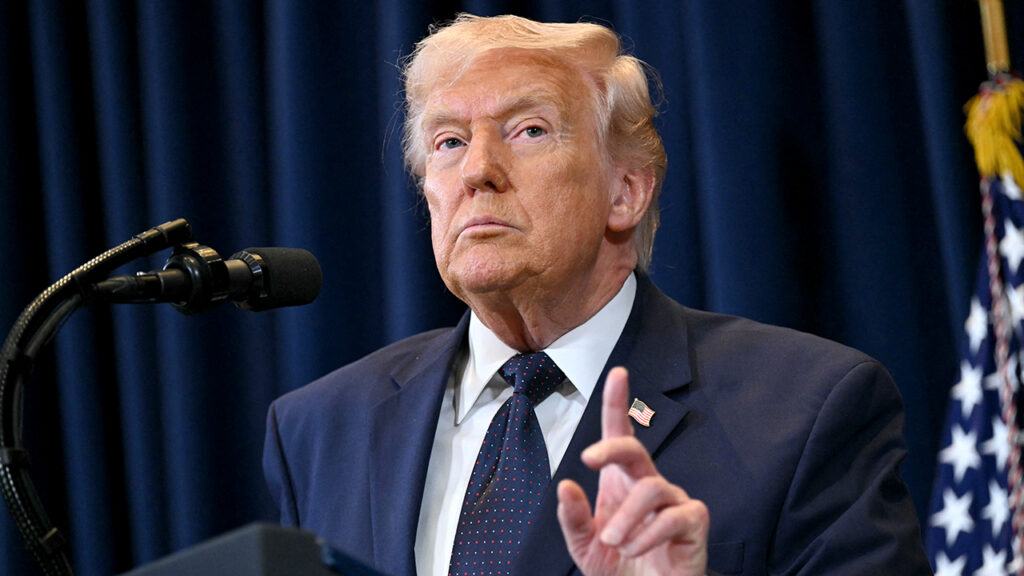
Meanwhile, international attention turned to the United States, where sources close to former President Donald Trump revealed he may decide in the coming weeks whether to support or authorize direct military action against Iran. While Trump is reportedly weighing the benefits of diplomacy, insiders say he still sees a “substantial” possibility of negotiating stricter limits on Iran’s nuclear capabilities.
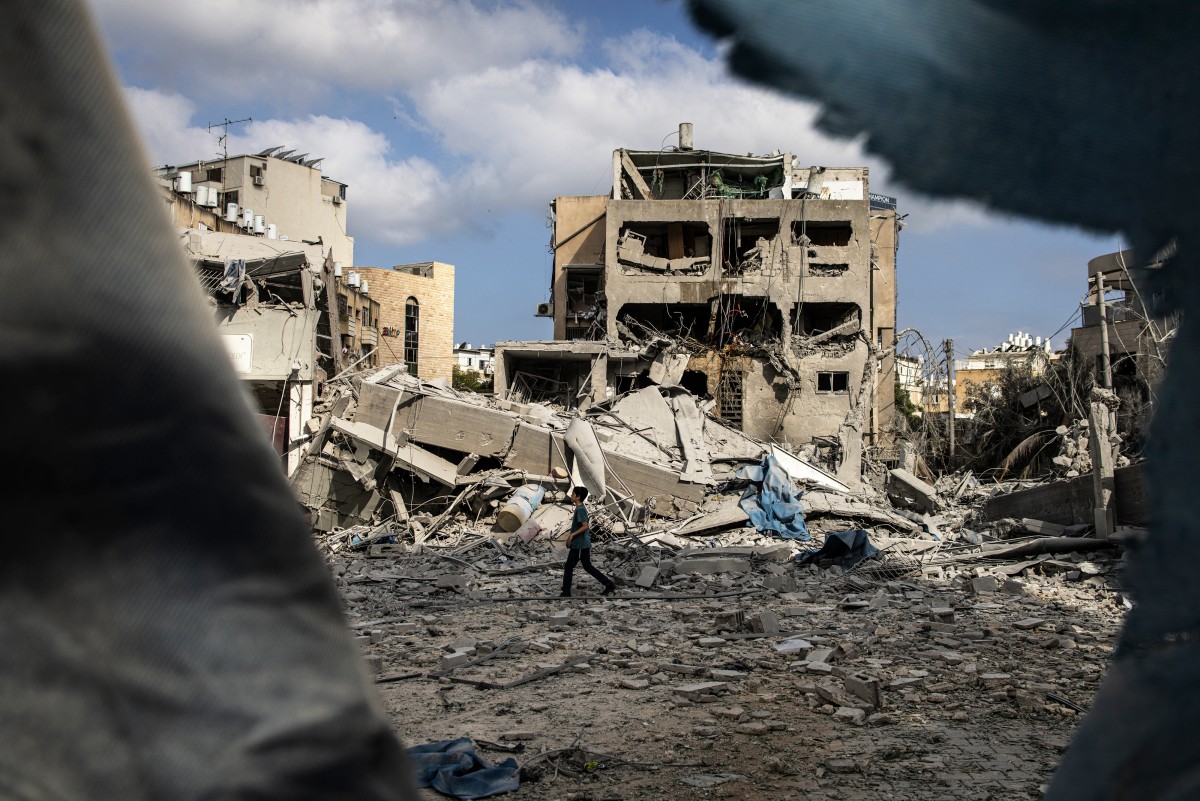
Back in Gaza, the humanitarian crisis deepened amid ongoing Israeli airstrikes. A strike on the crowded Shati Camp in northern Gaza killed at least 19 civilians, including three children and five women, and wounded more than 70 others. Dr. Mohamed Abu Selmiyah, director of Shifa Hospital, told the Associated Press that the attack hit a group of civilians and overwhelmed already strained medical facilities.
The World Health Organization (WHO) described a catastrophic health situation. Dr. Tedros Ghebreyesus, WHO’s Director-General, reported that Nasser Hospital in Khan Younis is operating at double its capacity, treating over 300 injured individuals on Wednesday alone, many wounded during food aid distributions. A WHO-supported field tent, originally intended for pediatric and surgical services, is now functioning as a full trauma unit, crowded with 100 beds in space built for fewer than 90.
According to Gaza’s Health Ministry, 69 people were confirmed dead in the last 24 hours, bringing the total death toll since the outbreak of war in October 2023 to 55,706, with over 130,000 injured.
In southern Israel, Soroka Medical Center confirmed it had been partially damaged during the Iranian missile barrage. Thanks to a preemptive relocation earlier in the week, 60 vulnerable patients had been moved to the hospital’s basement, a converted kindergarten facility. “The beds they were lying in are now gone,” said Dr. Dana Braiman. “That decision saved lives.”
International calls for restraint are growing louder. Italy’s Foreign Minister, Antonio Tajani, spoke with U.S. Secretary of State Marco Rubio, emphasizing the need for a regional ceasefire and the urgent restoration of humanitarian aid in Gaza. Both reiterated their stance that “Iran must never possess a nuclear weapon,” a position Rubio affirmed as consistent with the Trump administration’s current foreign policy outlook.
As diplomatic channels scramble for solutions, the region braces for what could become a broader conflict, with Israel, Iran, and global powers entangled in a dangerous and escalating confrontation.