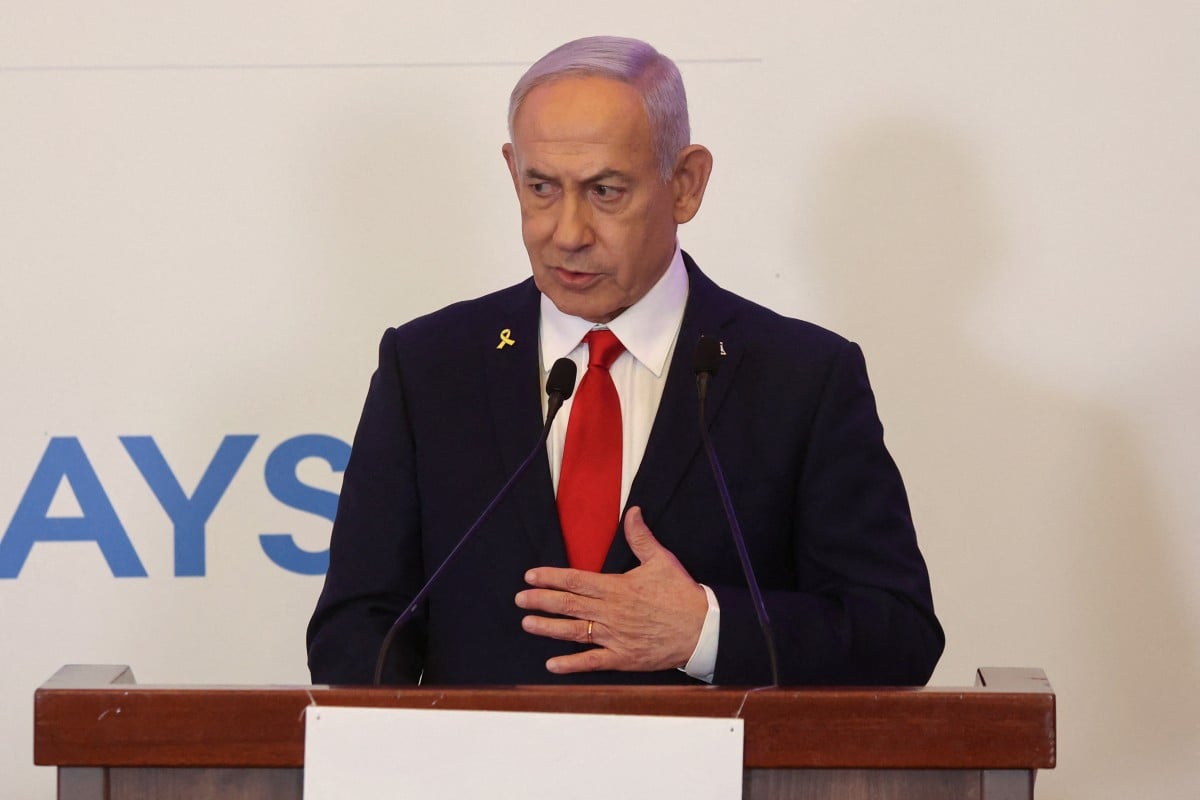
Israeli Prime Minister Benjamin Netanyahu appeared once again before a Tel Aviv court on Wednesday as his long-running corruption trial resumed, drawing both political allies and angry protesters.
The hearing, part of a series of graft cases that have dogged the prime minister since 2020, came just days after former U.S. President Donald Trump publicly suggested that Netanyahu should be pardoned. The embattled Israeli leader, who arrived at the court smiling and accompanied by several ministers from his conservative Likud party, faced chants and jeers from demonstrators outside the tribunal.
Netanyahu and his wife, Sara, are accused of accepting over $260,000 worth of luxury gifts — including champagne, cigars, and jewelry — from wealthy businessmen allegedly seeking political favors. In two other cases, prosecutors say the prime minister tried to secure favorable media coverage from two prominent Israeli outlets in exchange for regulatory advantages.
Despite the mounting evidence presented in court, Netanyahu has denied any wrongdoing, insisting the charges are part of a politically motivated campaign to drive him from office.
The court appearance comes at a politically delicate time. Netanyahu’s government continues to face international scrutiny for its handling of the Israel-Hamas war in Gaza, which reignited after the October 7, 2023, Hamas attacks. Recently, hostages taken during that assault were returned under a U.S.-brokered ceasefire plan led by Donald Trump, adding another layer of complexity to the prime minister’s public image.
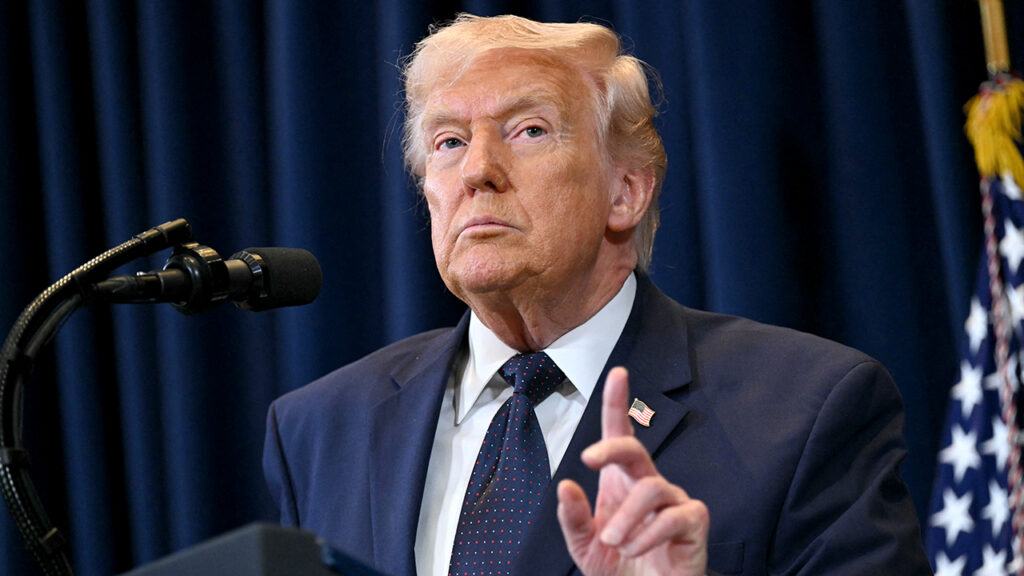
Speaking before the Knesset on Monday, Trump mocked the allegations, calling them “trivial” and urging Israeli President Isaac Herzog to pardon Netanyahu.
“Cigars and champagne, who the hell cares about that?” Trump said. “Why don’t you give him a pardon?”
The Israeli leader, who has served a record 18 years in office over multiple terms since 1996, also faces a separate International Criminal Court arrest warrant for alleged war crimes tied to Israel’s military actions in Gaza.
Netanyahu’s tenure has been marked by both fierce loyalty and deep division at home. His proposed judicial reforms — which critics say would weaken Israel’s democracy — triggered massive nationwide protests last year, only easing when war erupted in Gaza.
As his legal battles continue, Netanyahu remains defiant, vowing to stay in power and fight what he calls “a witch hunt” against him.