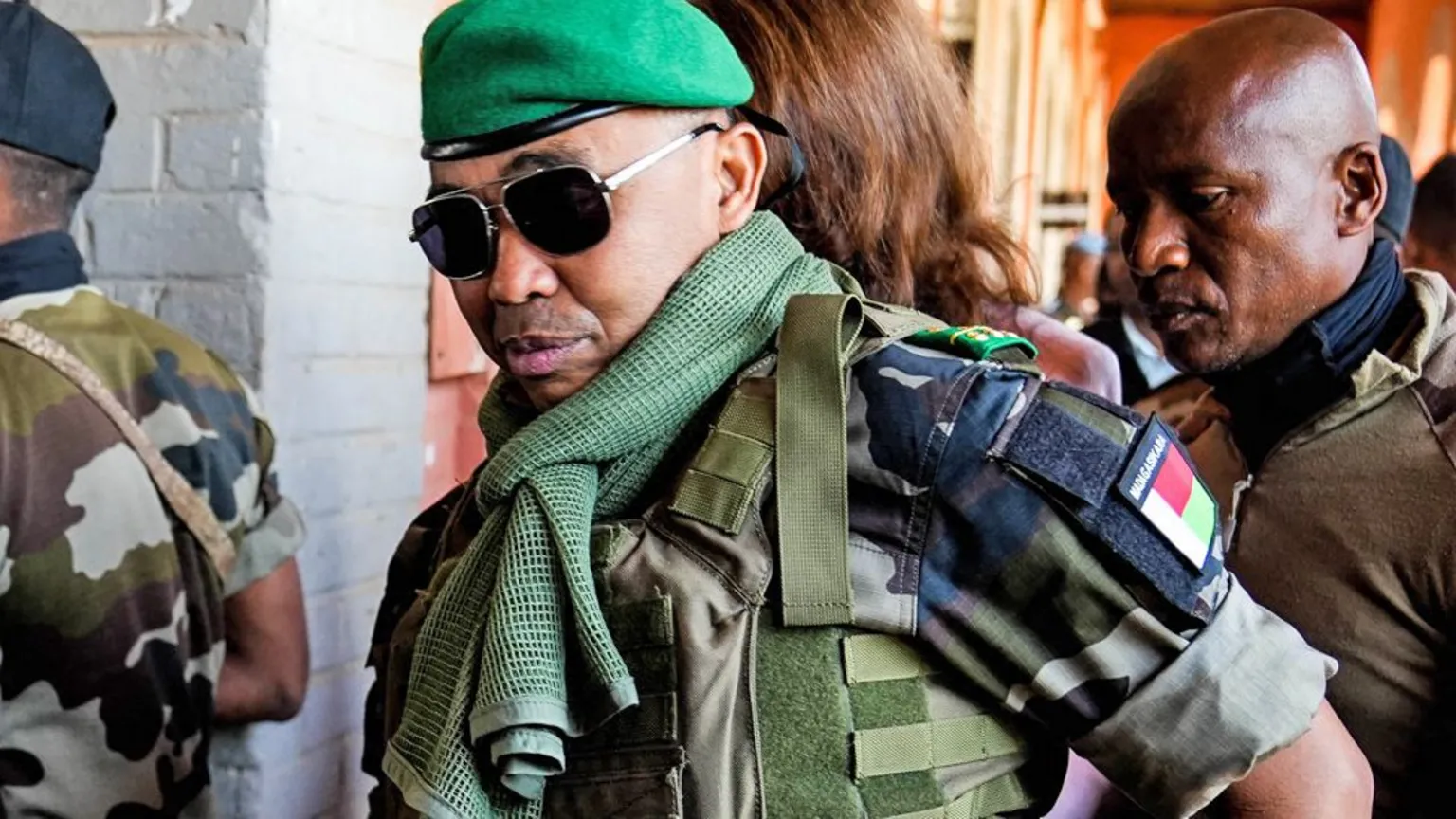
Army Colonel Michael Randrianirina was sworn in on Friday as the new President of Madagascar, marking a dramatic political transition just days after a military-led power shift forced former President Andry Rajoelina to flee the country.
The swearing-in ceremony, held at the Constitutional Court in Antananarivo, was witnessed by senior military officers, political figures, youth movement leaders, and representatives from several foreign missions, including the United States, the European Union, Russia, and France.
Colonel Randrianirina, leader of the CAPSAT (Support Corps for Administrative and Technical Personnel) army unit that recently joined nationwide protests against Rajoelina’s administration, took the presidential oath amid cheers from supporters and an atmosphere charged with optimism and uncertainty.
“Today marks a historic turning point for our country,” Randrianirina declared during his inaugural speech. “With a people united by the desire for change and a deep love for their homeland, we are opening a new chapter in the life of our nation.”
The new leader hailed the youth-driven protest movement — largely organized by Generation Z activists — for its courage in demanding political reform and accountability. “We will work hand in hand with all the driving forces of the nation to draft a new constitution and develop electoral laws that will ensure transparent elections and referendums,” he said.
Colonel Randrianirina pledged to “break with the past” and steer Madagascar toward a future anchored in transparency, inclusiveness, and institutional renewal. “Our mission is to reform the country’s administrative, socio-economic, and political systems of governance,” he added.
Rajoelina’s ouster came after weeks of mounting demonstrations against corruption, rising living costs, and alleged election manipulation. The unrest reached a climax when segments of the army defected, culminating in the capture of key government installations in Antananarivo last weekend.
International observers have urged calm and dialogue, while neighboring African states and the African Union are closely monitoring developments in the Indian Ocean nation, which has experienced multiple coups since gaining independence in 1960.
The United Nations and other international partners are expected to issue formal statements on the transition in the coming days, as Madagascar enters a new and uncertain political era.