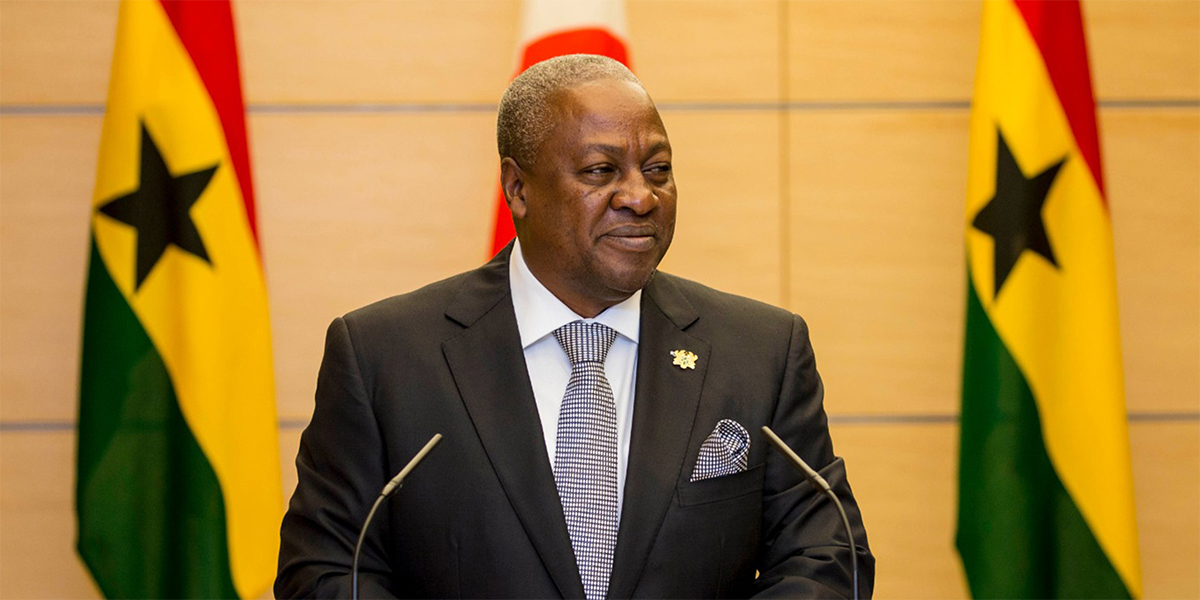
President John Mahama has approved the immediate evacuation of 300 Ghanaian nationals from South Africa following a renewed wave of xenophobic attacks targeting foreign nationals and businesses in parts of the country.
The announcement was made by Ghana’s Foreign Affairs Minister, Samuel Okudzeto Ablakwa, in a statement shared on his X account on Tuesday.
According to Ablakwa, the affected citizens had earlier responded to an advisory issued by the Foreign Ministry by registering with the Ghana High Commission in Pretoria for evacuation support.
He said the evacuation was approved by President Mahama as part of the government’s efforts to protect Ghanaian citizens facing distress abroad following the latest incidents of xenophobic violence.
Ablakwa reaffirmed the Ghanaian government’s commitment to ensuring the safety and welfare of its citizens both within the country and overseas.
The evacuation decision comes amid growing reports of attacks, intimidation, and harassment directed at foreign nationals and foreign-owned businesses in several parts of South Africa, particularly in areas including KwaZulu-Natal and Durban.
The renewed tensions have raised concerns across the African continent, with several governments moving to assist their citizens residing in South Africa.
Nigeria has also announced measures to support its nationals affected by the unrest. The country’s Foreign Affairs Minister, Bianca Odumegwu-Ojukwu, disclosed that the Nigerian government had begun a voluntary repatriation programme for citizens willing to return home.
According to Nigerian authorities, more than 130 Nigerians have already registered with Nigerian diplomatic missions in South Africa for evacuation assistance, with officials expecting the figure to increase.
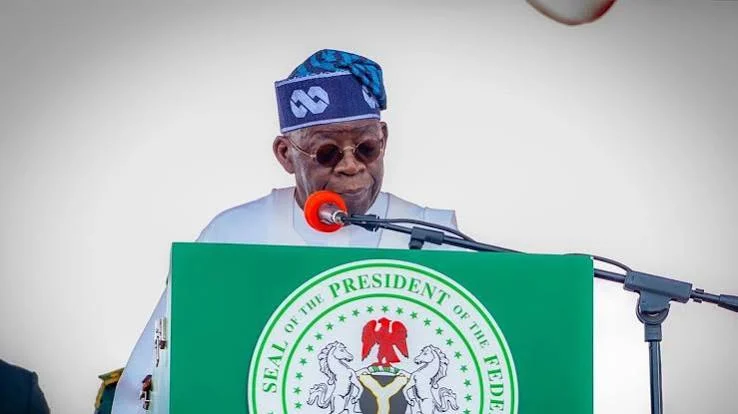
President Bola Tinubu has also directed the establishment of crisis notification centres aimed at supporting distressed Nigerians affected by the violence.
Xenophobic attacks in South Africa have repeatedly sparked diplomatic tensions and condemnation from African nations over the years, with foreign nationals often targeted during periods of social and economic unrest.