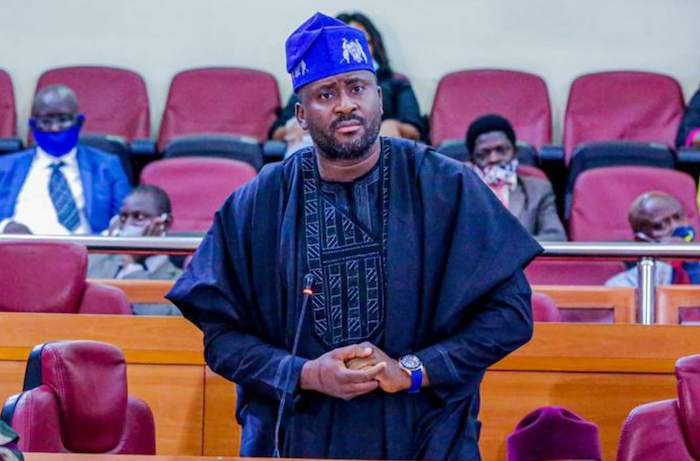
Lawmaker representing Surulere Constituency I in the Lagos State House of Assembly, Desmond Elliot, has explained why he signed the impeachment notice against Speaker Mudashiru Obasa, saying lawmakers believed the move had the backing of the presidency.
Elliot made the clarification during an appearance on Channels Television’s Sunrise Daily on Tuesday while reacting to comments by Femi Gbajabiamila that intelligence reports linked him to the controversial impeachment plot.
According to the actor-turned-politician, he was outside Nigeria when the impeachment unfolded in January 2025 and only signed the document after returning from a trip to South Africa.
Elliot explained that he and his wife had travelled during the Assembly’s recess to attend his wife’s younger sister’s wedding when news of the impeachment broke.
He said the development initially came as a surprise, adding that many lawmakers believed the action had presidential approval.
The lawmaker stated that by the time he returned, several members of the Assembly had already signed the impeachment notice, prompting him to append his signature as well.
However, Elliot said the situation later changed after President Bola Tinubu reportedly informed lawmakers that the impeachment did not originate from him and instructed them to restore Obasa as Speaker.
He noted that the lawmakers complied with the directive, leading to Obasa’s eventual reinstatement.
Reacting to Gbajabiamila’s remarks that he nearly lost his political position because of the impeachment saga, Elliot described the accusation as shocking, especially considering their longstanding political relationship.
The impeachment crisis began on January 13, 2025, when a majority of lawmakers in the Assembly removed Obasa while he was reportedly on vacation in the United States.
The lawmakers accused the Speaker of misconduct, abuse of office, financial mismanagement, poor leadership style, and persistent lateness to legislative sessions.
Following the impeachment, Deputy Speaker Mojisola Meranda was elected as the first female Speaker of the Assembly.
Obasa, however, rejected the process, insisting it violated constitutional procedures and due process.
The dispute triggered weeks of political tension, legal battles, and interventions from leaders of the ruling All Progressives Congress before the crisis was resolved with Meranda’s resignation and Obasa’s return as Speaker.