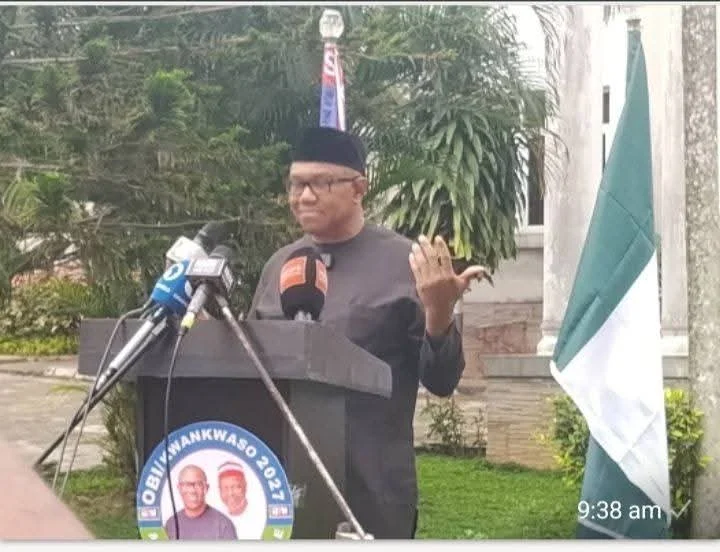
Presidential aspirant of the Nigeria Democratic Congress, Peter Obi, has criticised Nigeria’s banking system for what he described as its excessive dependence on collateral, contrasting it with lending practices in the United Kingdom that he said reward credibility and educational achievement.
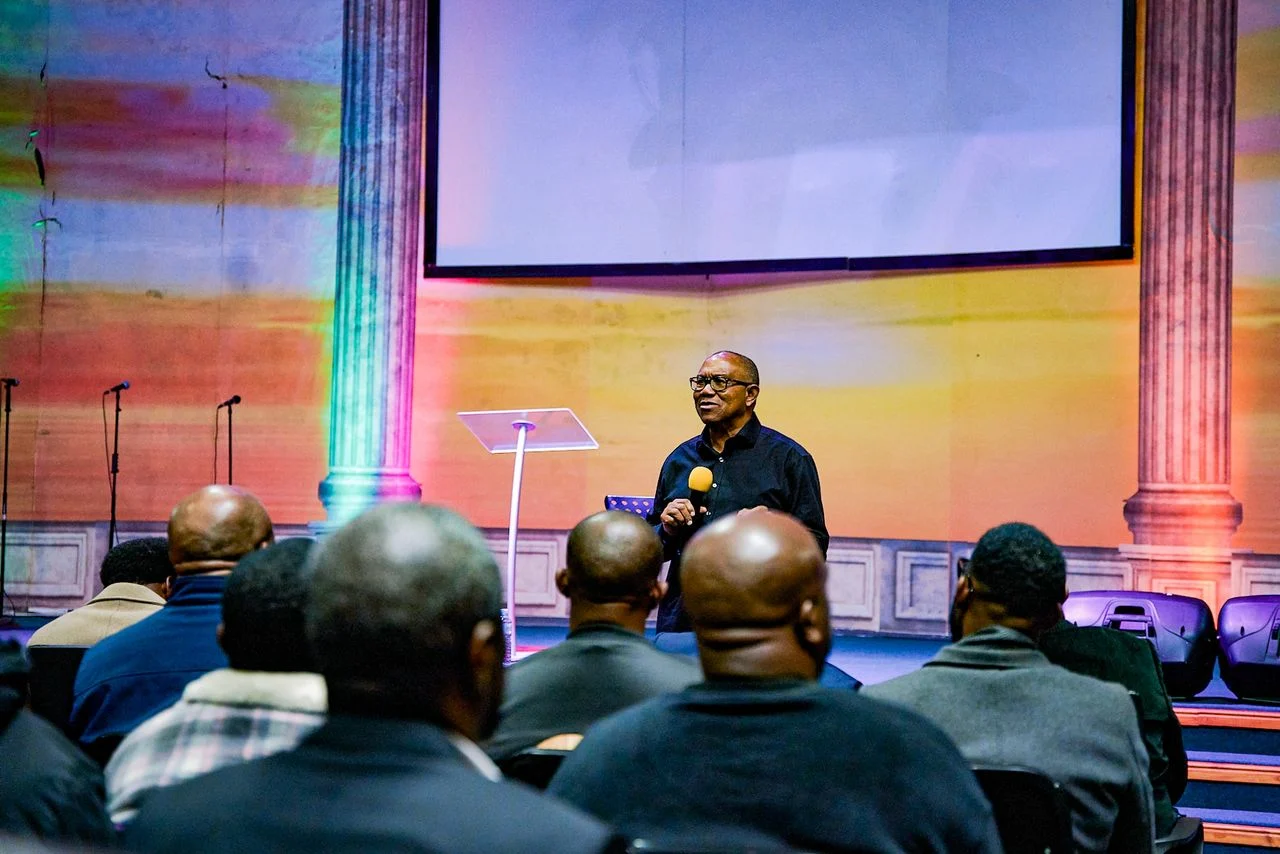
Obi made the remarks on Friday while speaking to members of the Nigerian community during the Spier Dialogue 2026 in Cape Town ahead of his participation in the continental governance forum.
Reflecting on his experience as a businessman in the UK, Obi said British banks granted him loans based on his educational background and professional reputation rather than demands for physical assets or family guarantees.
“I lived in the UK and did successful business there. I approached a bank, told them I attended Cambridge and Oxford, and they gave me money based on my intellectual capital,” he said.
The former Anambra State governor argued that such opportunities are difficult to obtain in Nigeria due to what he described as a rigid and collateral-driven financial culture.
According to him, Nigerian banks often place more emphasis on landed property and family assets than on an individual’s competence, credibility, or business potential.
Obi used the comparison to reinforce his broader argument for institutional reforms and governance built around efficiency and human capital development rather than political transactions.
“People think every politician is the same because they believe governance is about transactions. What we need are leaders who can make society work,” he stated.
In a separate post shared on X after arriving in South Africa, Obi described the Spier Dialogue as a major platform focused on Africa’s future and the urgent challenges confronting the continent, including governance, democracy, migration, urbanisation, economic inclusion, and leadership.
He stressed the need for African nations to move from consumption-based economies to production-driven systems while promoting competence, compassion, and practical governance.
“Africa’s future should not be defined by poverty amid abundance or division instead of development,” Obi wrote.
The Nigeria Democratic Congress presidential aspirant has repeatedly advocated reforms centred on productivity, education, and institutional accountability as part of his political message ahead of Nigeria’s 2027 election cycle.