By Anyanwu Amanda Chinonso
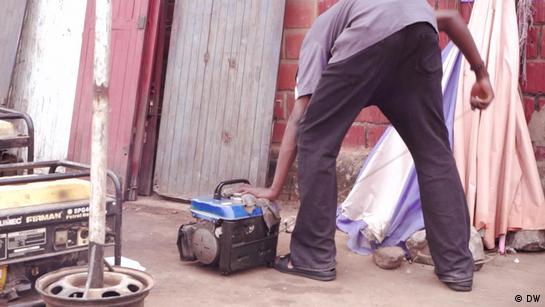
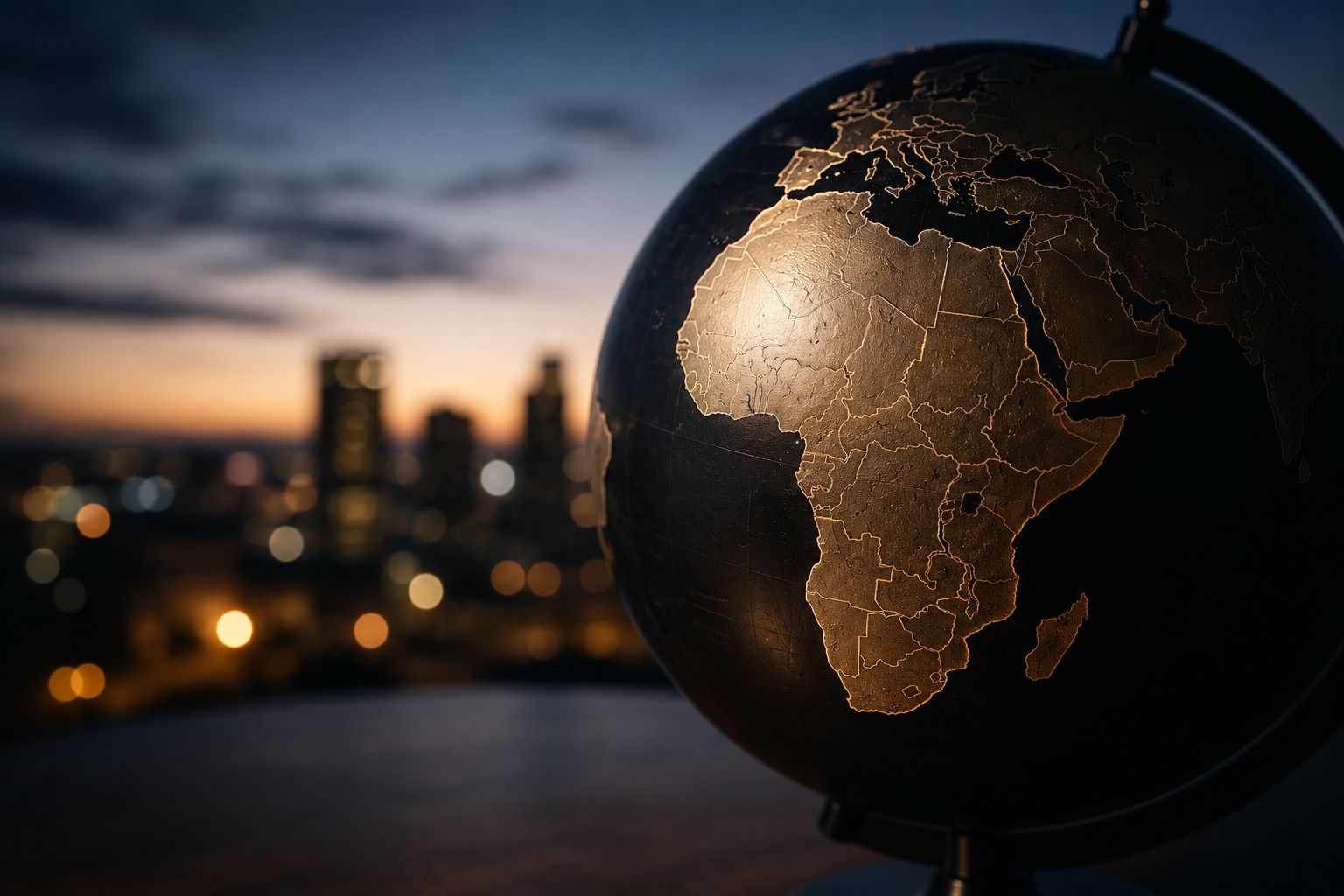
In Africa, especially in the western and eastern regions, countries like Nigeria, Niger, and Burkina Faso experience blackouts that seem to be inevitable. Can we really say that technology has been helpful to us when we do not have the “privilege” of enjoying a steady electricity supply? Yes, in these countries, it is indeed a “privilege” rather than a basic right to have electricity running 24 hours a day.
It is estimated that over 600 million people, representing roughly 43% of the continent’s population, currently live without electricity. In Nigeria, an estimated 86.8 million people lack access to electricity, according to the World Bank’s Energy Progress Report. Statistics from the African Development Bank show that in Niger, only about 21% of the total population has access to electricity, and this figure drops below 5% in rural areas, where the vast majority of Nigeriens live.
The continent is rich in talent, skills, creativity, and innovative minds. But how can a creator perform at their best when their laptop is not charged, the camera battery constantly screams “battery low,” their phone is switched off, and their desktop is sitting idle on the desk, waiting to be put to use?
How can an academic study without electricity or conduct research when their devices are switched off? Yes, we may all say, “There are books and materials to replace the internet,” but think about it: without electricity, there is no light to read books comfortably, and some relevant information is available online but cannot be found in books.
Yes, we may say there is a manual torchlight or even a candle, but the torchlight’s battery eventually runs out, the candle also burns down, and there is nothing left. What about the professional who needs the internet to document their work, attend meetings, and communicate constantly to operate effectively in the workplace? What about the upcoming artist with dreams and visions of dominating the global stage but who is stuck within the walls of a studio, waiting for the lights to come on so they can record their dreams and visions?
Famous Nigerian music producer Osabuohien Osaretin, popularly known as Sarz, shared on the Afropolitan podcast that, despite his massive success, he has never experienced 24-hour electricity in his home country. He explained how power interruptions fundamentally stifle the creative process: “Inspiration often strikes when there is no light, causing wasted potential.”
According to African graphic designer Sampson MacAya, founder of Graphics Designer Africa, “I keep missing deadlines because of no power supply.” He reflected on the challenges associated with an inadequate power supply, including missed client deadlines, the loss of international contracts and customer trust, and unnecessary expenses on fuel.
In Burkina Faso, digital artists, graphic designers, and animators are mostly restricted to major urban hubs like Ouagadougou and Bobo-Dioulasso, where access to the electricity grid is reportedly close to 87%. In rural regions, a lack of electricity severely limits the emergence of digital content creators.
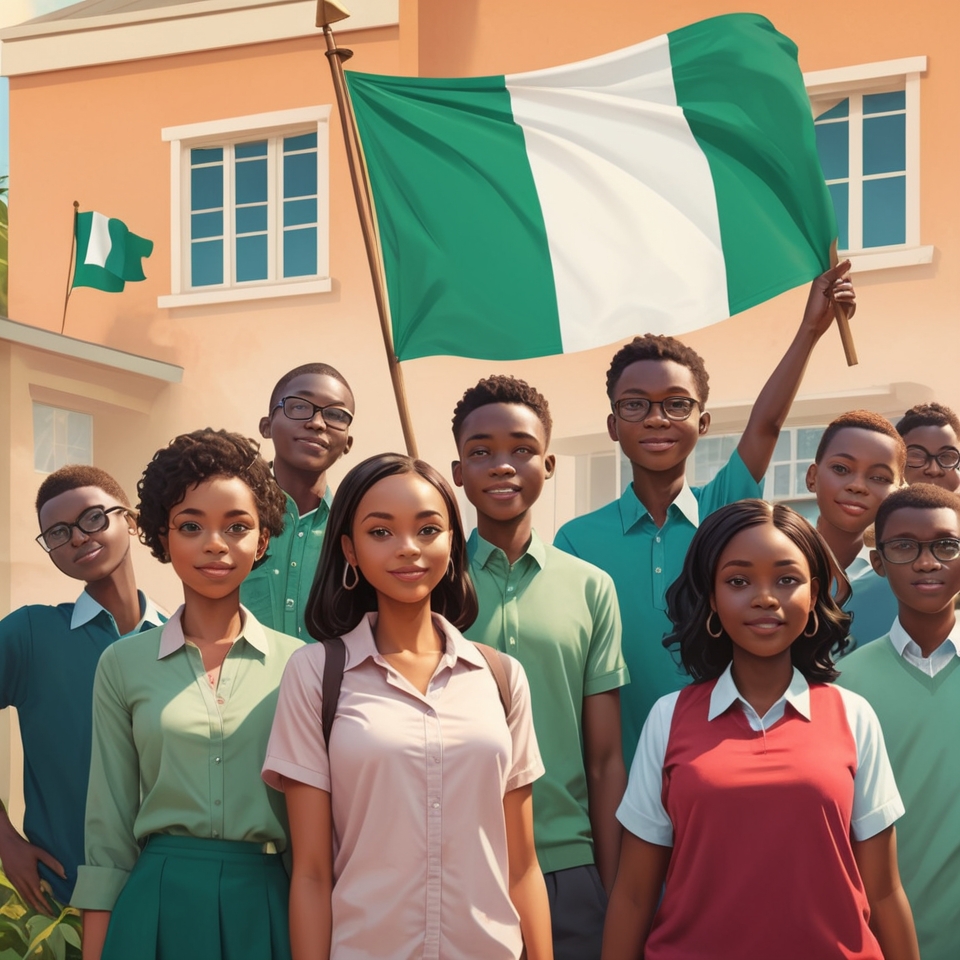
Vusimuzi Sihlangu and Njabolu Njvolu, students in South Africa, used the problem of poor electricity supply as an opportunity to create a bag that generates its own light, allowing learners to study. They developed the innovation as part of a project they were assigned because the lack of a constant electricity supply was interfering with their study time.
“The lack of reliable supply of electricity has always been a problem that makes it very hard to study,” Sihlangu told Global Citizen during an interview. “It makes it hard to study, which is worrisome.”
The world runs digitally, and technology depends on electricity to function. What could be the possible solutions to this issue in Africa? They could include proper infrastructural reforms by governments, the adoption of renewable energy, and the modernisation of electricity grid systems.
This is an important factor that has been overlooked and needs to be considered to ensure the growth of Africa’s creative industry. When electricity stops being a privilege and becomes a basic right, doors of opportunity will open, creative and innovative minds will be empowered, and the future of Africa’s creative industry will be assured.