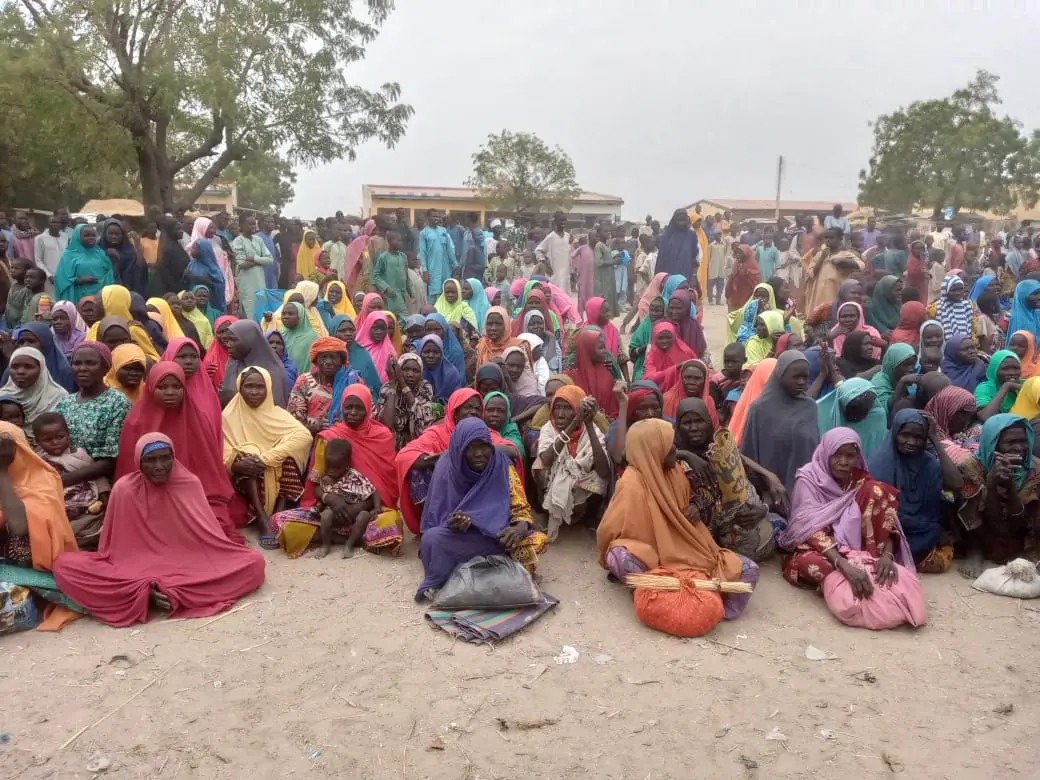
Benue State has become the epicenter of Internally Displaced Persons (IDPs) in Nigeria, housing over 1.5 million individuals across 17 or more camps. These IDPs were forced from their ancestral homes due to ongoing attacks by armed herdsmen defying the state’s grazing laws. Despite pledges from the current administration to relocate them back home, these individuals remain in camps, relying on support from the state government, charitable individuals, and organizations.
The IDPs face numerous challenges, including inadequate food, medical supplies, and sleeping spaces, making life in the camps difficult. Amidst these dire conditions, a surprising issue has emerged: a high rate of new births. Despite their struggles, many IDPs are having babies, with some camps recording as many as 200 new births in a single month.
This development, while typically a cause for celebration, poses significant concerns in the context of an IDP camp. The high number of births strains the already limited healthcare services and resources, leading to challenges such as malnutrition and health complications among newborns. For example, the Ortese IDP camp in Guma Local Government Area (LGA) recently reported cases of malnutrition among children.
The startling figure of over 200 births in one month at the Ortese camp was revealed by the Integrated Supportive Supervision (ISS) of the United Nations Children’s Fund (UNICEF) and the World Health Organization (WHO). This humanitarian health response, implemented by the Benue State Primary Healthcare Board, also covered the Ichwa IDP camp in Makurdi LGA.
IDPs like Anngu, a father of two, explain that despite living in camps, they find solace in maintaining intimate relationships with their spouses. “When we sleep with our wives, we are happy and it helps reduce the pain we are going through,” Anngu said. However, he acknowledged that while some use family planning methods provided by healthcare workers, many do not.
Mrs. Grace Wende, Executive Secretary of the Benue State Primary Health Care Board, highlighted the need for intensified efforts to promote family planning in the camps. “The number of new births is quite high. The government needs to address this issue,” she stated. During her visit to the Ortese camp, she observed a significant number of pregnant women and young children, indicating a high level of fertility within the camps.
Wende emphasized the need for targeted advocacy, particularly towards men who resist family planning methods. “Our findings indicate that women are willing to use family planning products, but their husbands are resisting. We need to intensify our advocacy among the men,” she added.
This situation calls for urgent action to address the reproductive health needs of IDPs and ensure that the resources available are used effectively to support the well-being of these vulnerable populations.