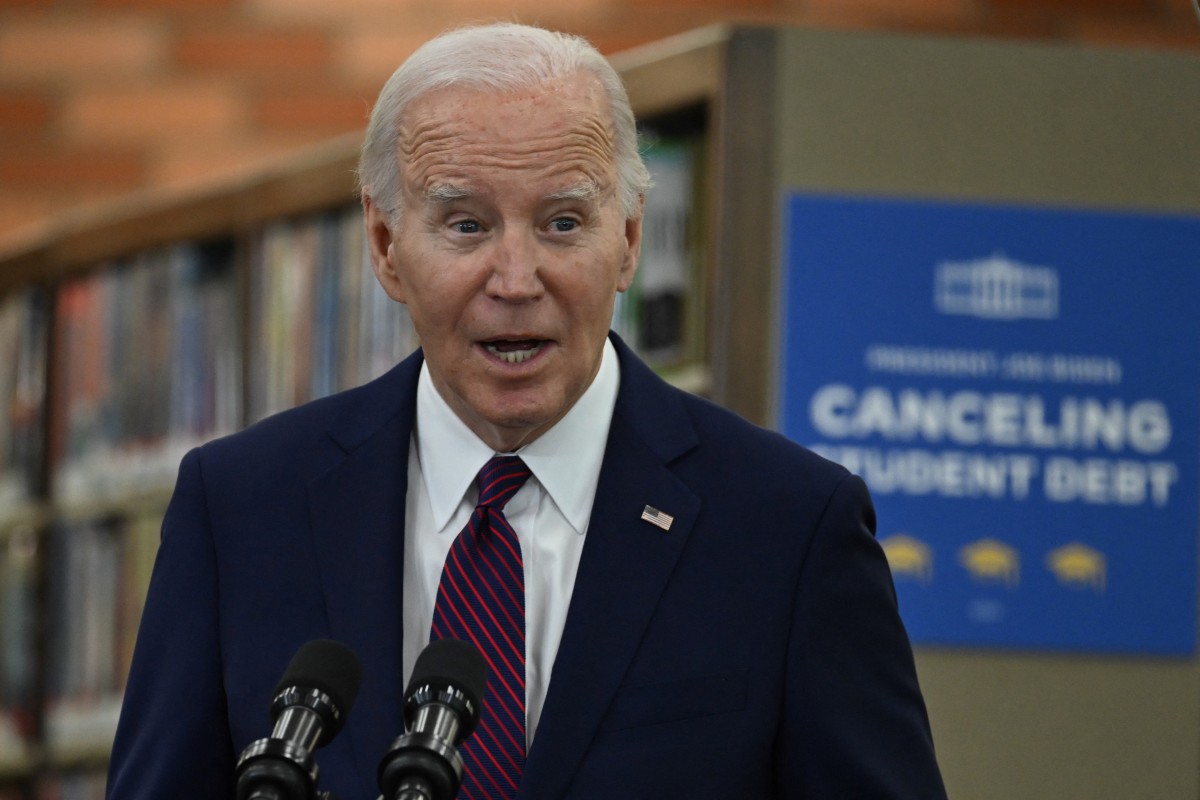
In a groundbreaking decision, President Joe Biden on Friday commuted the sentences of nearly 2,500 individuals convicted of non-violent drug offenses, marking the largest single-day act of clemency in United States history. The move, which comes just days before he hands over power to President-elect Donald Trump, was described by the White House as a step toward addressing longstanding injustices in the criminal justice system.
Historic Clemency Effort
Biden’s clemency initiative focused on individuals serving disproportionately lengthy sentences compared to current sentencing guidelines.
“This is an important step toward righting historic wrongs, correcting sentencing disparities, and providing deserving individuals the opportunity to return to their families,” Biden said in an official statement.
The president highlighted the broader significance of the move, stating, “With this action, I have now issued more individual pardons and commutations than any president in US history.”
A Record-Breaking Legacy
Friday’s commutations follow a December clemency wave in which Biden commuted nearly 1,500 sentences and pardoned 39 individuals, including his son, Hunter Biden. Hunter had been facing potential prison time after convictions for gun and tax-related offenses.
Additionally, Biden commuted the death sentences of 37 of the 40 inmates on federal death row. However, exceptions were made for three high-profile cases:
- Dzhokhar Tsarnaev, one of the 2013 Boston Marathon bombers.
- Robert Bowers, who murdered 11 Jewish worshippers at the Tree of Life Synagogue in 2018.
- Dylann Roof, a white supremacist responsible for the killing of nine Black churchgoers in Charleston, South Carolina, in 2015.
These exclusions reflect the administration’s careful navigation of public sentiment and legal precedents.
Potential Challenges Under Incoming Administration
Biden’s unprecedented use of clemency powers underscores his efforts to address sentencing disparities and systemic injustices. However, President-elect Trump has signaled a return to more punitive measures, including the resumption of federal executions, which were paused during Biden’s tenure.
Reports suggest Biden has been considering blanket pardons for allies and former officials amid concerns about possible legal actions under the incoming administration. Trump has previously expressed intentions of pursuing what he described as “retribution” against political opponents.
A Parting Gesture of Justice
Biden’s decision to extend clemency to such a large number of individuals not only sets a historical precedent but also reflects his commitment to criminal justice reform. As his administration concludes, the clemency initiative leaves a lasting impact, providing thousands with a chance to rebuild their lives while spotlighting the importance of equitable sentencing practices.
The clemency announcement serves as a defining moment of Biden’s presidency, symbolizing his dedication to addressing systemic inequities and ensuring justice for marginalized communities.