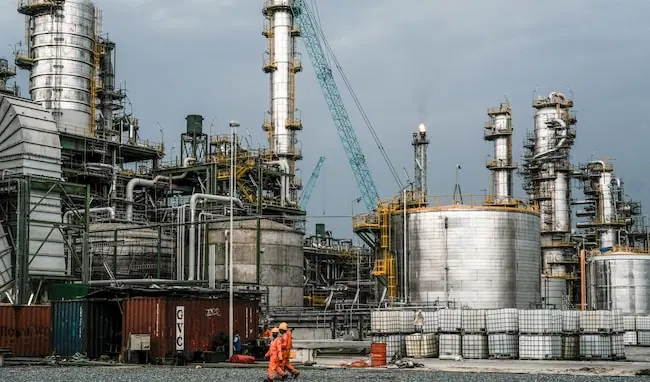
After years of postponements and extensive rehabilitation efforts, the Port Harcourt refinery has officially commenced fuel production. The Nigerian National Petroleum Company Limited (NNPCL) confirmed the development on Tuesday, marking a significant milestone in Nigeria’s quest to boost domestic fuel refining capacity.
Olufemi Soneye, the spokesperson for NNPCL, announced the breakthrough to reporters. “Port Harcourt Refinery begins production. Truck loading starts today, Tuesday,” he stated, signaling the refinery’s operational readiness to supply fuel to the market.
A Long-Awaited Milestone
The commencement of production at the refinery follows a series of missed deadlines that have tested public and industry patience. The refinery, one of Nigeria’s largest, has been undergoing an extensive rehabilitation process under a $1.5 billion contract awarded to Italian engineering firm Tecnimont in 2021. The goal of the project was to restore the refinery’s capacity to process 210,000 barrels of crude oil per day.
Despite assurances from authorities, the project faced delays attributed to technical and logistical challenges. The start of production marks a long-awaited step toward reducing Nigeria’s reliance on imported refined petroleum products.
Key Role in Energy Security
The Port Harcourt refinery’s operational status is seen as critical to improving Nigeria’s energy security. As Africa’s largest oil producer, Nigeria has paradoxically relied heavily on imported fuel due to its underperforming refining infrastructure. The resumption of production is expected to alleviate some of the pressure on the nation’s fuel supply chain, particularly during a time of fluctuating global oil prices.
The refinery’s production will also complement output from other refineries, including the recently commissioned Dangote Refinery, further bolstering local refining capacity.
Truck Loading Underway
NNPCL confirmed that truck loading at the refinery would commence immediately, a move expected to ensure fuel distribution to critical markets across the country. Industry stakeholders have expressed optimism that the refinery’s production will help stabilize fuel prices and improve availability.
“Starting production at Port Harcourt is a positive signal,” said an energy analyst in Lagos. “The focus now shifts to consistent operations and ensuring that other refineries undergoing rehabilitation follow suit.”
Broader Implications for Nigeria’s Economy
The Port Harcourt refinery’s activation comes at a crucial time for Nigeria, as the government faces growing pressure to manage rising fuel prices and inflation. The successful operation of the refinery could save Nigeria billions of dollars annually spent on fuel imports while creating jobs and fostering industrial growth.
Observers will be watching closely to see if the refinery can sustain production and deliver on its promise to meet domestic fuel demand. With additional updates expected, the nation awaits further details on the refinery’s operational capacity and its impact on the petroleum sector.