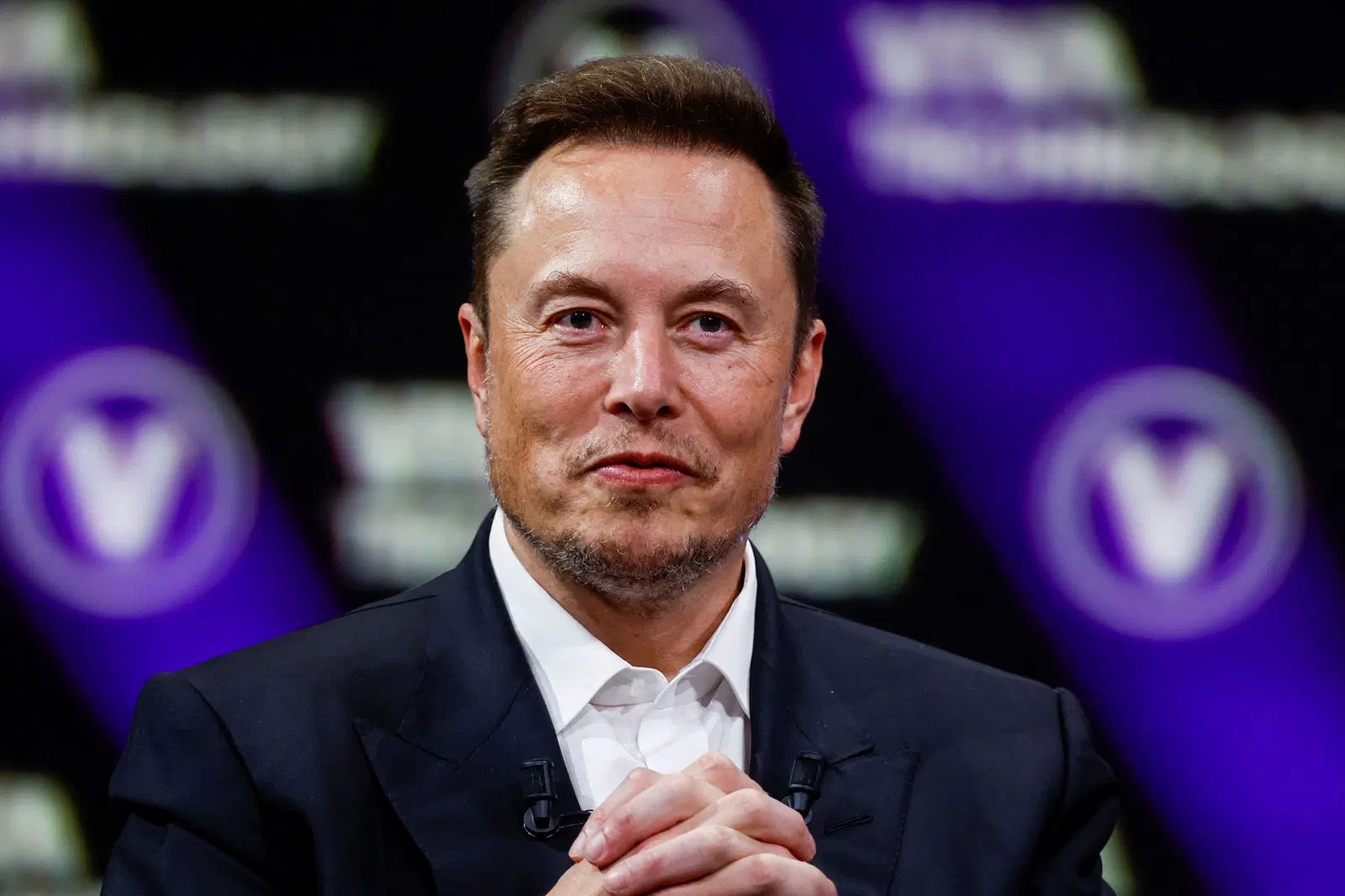
A Delaware court has upheld its rejection of Elon Musk’s controversial $55.8 billion Tesla compensation package, denying the company’s attempt to ratify the deal through a shareholder vote. Chancellor Kathaleen McCormick of Delaware’s Court of Chancery issued her ruling on Monday, maintaining her January decision that the pay deal was excessive and unfair to shareholders.
Shareholder Vote Deemed Insufficient
Tesla had sought to salvage Musk’s compensation package through a June shareholder vote, arguing it reflected investor support. However, McCormick ruled that the ratification attempt was flawed, citing misleading statements in the materials provided to shareholders about the impact of their vote.
“The motion to revise is denied,” McCormick wrote in her decision. She criticized Tesla’s legal arguments, stating they ran counter to established precedents. “The defense firms got creative with the ratification argument, but their unprecedented theories go against multiple strains of settled law,” she added.
Tesla has announced its intention to appeal the verdict. In a statement on X, formerly Twitter, Musk criticized the ruling, saying, “Shareholders should control company votes, not judges.”
Court Awards Reduced Legal Fees
In a related development, the court awarded $345 million in attorney fees to Richard Tornetta, a Tesla shareholder who brought the lawsuit. While this amount is substantial, it is significantly less than the $5.6 billion Tornetta’s lawyers had requested. McCormick stated that although the calculation method complied with Delaware law, which bases fees on the percentage of benefits achieved, the requested sum would have been an excessive windfall.
The Controversial Compensation Package
The compensation plan, initially approved by shareholders in March 2018, was tied to Tesla’s market capitalization milestones. It was intended to reward Musk for leading Tesla’s extraordinary growth, propelling the company into one of the world’s most valuable automakers.
However, Tornetta’s lawsuit accused Tesla’s board of failing to exercise proper oversight and allowing Musk to dictate the terms of his pay package. He alleged the plan amounted to “unjustified enrichment” and lacked independence, as some directors were close associates of Musk.
Musk denied playing a role in negotiating the package during a 2022 trial, arguing that Tesla’s growth under his leadership justified the compensation. He emphasized that Tesla had been an underdog in the auto industry before its turnaround, driven by the success of the Model 3.
Implications for Corporate Governance
The Delaware Court of Chancery, known for its influence over U.S. corporate law, has jurisdiction over many Fortune 500 companies, including Tesla. McCormick’s ruling raises broader questions about executive compensation and the extent of shareholder control in corporate governance.
Musk, meanwhile, has amplified calls on X for companies to reconsider Delaware as their legal home, reposting messages that criticize the state’s judicial system.
As Tesla prepares to appeal, the case highlights tensions between corporate accountability and the autonomy of shareholders, setting a precedent that could influence future executive compensation disputes.