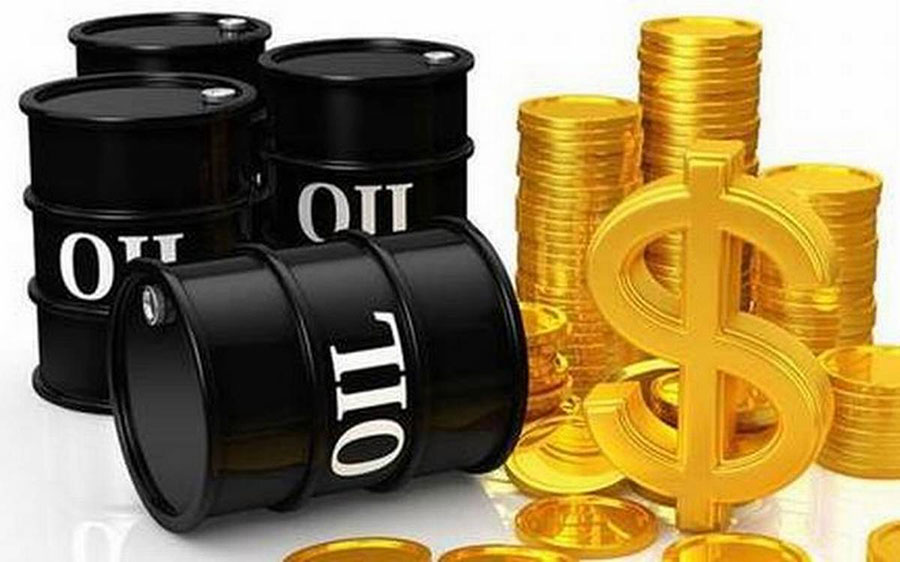
Global oil prices fell below $100 per barrel on Wednesday, while stock markets around the world rallied on rising expectations that tensions involving Iran may soon ease.
Brent crude declined by about 5% to approximately $98.65 per barrel, pulling back from the sharp surge seen in March, when prices soared by up to 64% amid fears of supply disruptions linked to instability in the Middle East.
Market confidence strengthened after U.S. President Donald Trump indicated that American troops could withdraw from Iran within “two to three weeks,” regardless of whether a deal is reached with Tehran. The statement fueled gains in Asian markets, with Japan’s Nikkei 225 rising 4.9% and South Korea’s Kospi climbing 8.6% during afternoon trading.
Earlier increases in oil prices were largely driven by concerns over Iran’s threats to disrupt shipping in the Strait of Hormuz, a key channel for global energy transport. The possibility of a blockade had raised fears of a wider supply crisis, drawing comparisons to disruptions experienced during the 1990 Gulf conflict.
Speaking from the Oval Office, Trump asserted that Iran was “begging to make a deal,” while maintaining that U.S. withdrawal plans would move forward regardless of any agreement. Iranian President Masoud Pezeshkian, however, said Tehran is open to ending the conflict but is seeking assurances to prevent future aggression.
Despite the positive market reaction, tensions in the region remain high. Airstrikes were reported in Beirut on Tuesday, with Israel stating that the targets included senior Hezbollah figures, underscoring the fragile security situation.
Analysts caution that oil markets could remain volatile in the coming weeks due to ongoing uncertainty and rising demand for refined products such as jet fuel and diesel.
Countries heavily reliant on Middle Eastern oil, including Japan and South Korea, have been particularly affected, with their financial markets reacting sharply to developments in the region.
President Trump is expected to address the public later on Wednesday, as global investors continue to monitor the situation for further signs of either escalation or meaningful de-escalation.