The Economic and Financial Crimes Commission (EFCC) has unveiled details linking Godwin Emefiele, the former Governor of the Central Bank of Nigeria (CBN), to a massive estate comprising 753 duplexes and other apartments in Abuja, allegedly acquired through foreign exchange kickbacks and other fraudulent activities.
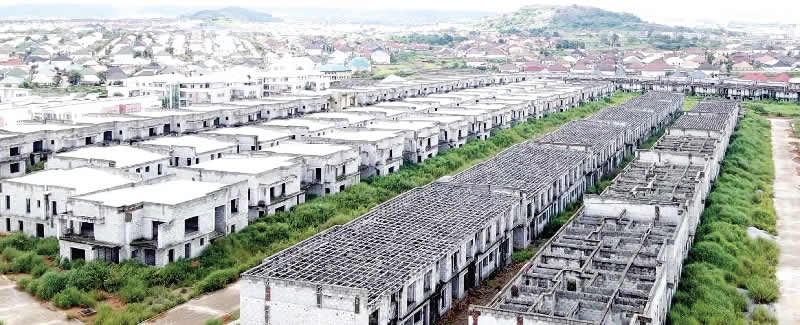
In court filings obtained by journalists on Tuesday, the EFCC described the property, located on a 150,500-square-meter plot in Lokogoma District, Abuja, as the largest single recovery in its anti-corruption efforts since its inception in 2003.
Details of the Estate and Acquisition Process
The property, identified as Plot 109, Cadastral Zone C09, was recovered following a December 2, 2024, ruling by Justice Jude Onwuegbuzie of the FCT High Court in Apo. Investigators traced the property to Emefiele and alleged it was purchased using illicit funds.
According to the EFCC, three shell companies facilitated the purchase of the estate for a total of ₦2.2 billion. Payments were structured to include ₦900 million from one company, ₦700 million from another, and ₦600 million from a third. Directors of these companies were arrested, and their statements implicated Emefiele in the scheme.
The funds, the EFCC stated, originated from kickbacks negotiated by Emefiele in exchange for favorable foreign exchange allocations to companies desperate for forex. Additional allegations include kickbacks from contractors awarded CBN contracts and fraudulent transactions disguised as legitimate housing developments.
Legal Proceedings and Forfeiture
The EFCC presented evidence of the estate’s connection to unlawful activities, prompting the court to grant a temporary forfeiture order on November 1, 2024. The order was advertised in a national newspaper, but no challenges were raised, paving the way for permanent forfeiture to the federal government.
In its affidavit, the EFCC noted that the property had been abandoned since Emefiele’s arrest in June 2023. The estate was initially intended for a mass housing project but remained under the guard of a single security personnel.
Emefiele’s Broader Legal Troubles
Emefiele is facing multiple corruption charges in separate cases. These include allegations of:
- Forging former President Muhammadu Buhari’s signature.
- Procurement fraud and illicit financial dealings involving $4.5 billion and ₦2.8 billion.
- Approving the printing of ₦684.5 million notes at an inflated cost of ₦18.96 billion.
EFCC’s Response to Public Concerns
Critics have questioned the EFCC’s initial decision to withhold the identity of the property’s owner. Responding to the criticism, EFCC spokesperson Dele Oyewale clarified that the agency acted in compliance with Section 17 of the Advance Fee Fraud Act. This legal provision allows for the forfeiture of unclaimed properties without directly naming individuals unless investigations are complete.
“The proceedings for the estate’s forfeiture are action-in-rem, targeting the property itself rather than its owner. Revealing the identity of suspects prematurely would have been unprofessional,” Oyewale explained.
Failed Attempts to Reach Emefiele’s Legal Team
Efforts to obtain a response from Emefiele’s legal representatives were unsuccessful. His lawyer, Matthew Burkaa (SAN), did not respond to calls or messages at the time of filing this report.
Implications of the Recovery
The recovery of the estate underscores the EFCC’s commitment to tackling corruption in high places. The property’s forfeiture signals a significant blow to individuals implicated in financial crimes and serves as a warning to other public officials involved in illicit practices.