Former Ekiti State Governor, Ayo Fayose, has argued that Nigeria’s worsening insecurity cannot be solved by the president alone, warning that kidnapping has evolved into a deeply rooted criminal enterprise sustained by networks operating within society.
Speaking during a television interview on Monday, Fayose said the country’s security challenges have grown from isolated incidents into a widespread threat affecting communities nationwide. He described the rise in kidnapping as a disturbing development that has become entrenched across various parts of the country.
According to the former governor, tackling insecurity requires coordinated efforts from the federal government, state administrations, security agencies, local communities, and citizens. He noted that criminal activities thrive not only through the actions of kidnappers but also through the support of financiers, collaborators, and informants who benefit from the crimes.
Fayose maintained that no president could effectively combat insecurity without the active cooperation of society, stressing that some individuals within communities contribute to the persistence of criminal activities.
Drawing from his experience in office, he highlighted measures implemented during his administration, including legislation against open grazing and the prosecution of criminal suspects. He emphasized that strict enforcement of laws and impartial punishment of offenders remain essential to reducing crime.
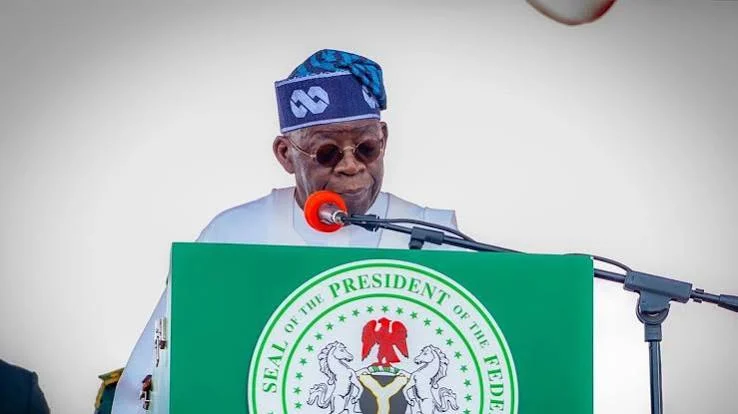
The former governor also defended the administration of Bola Tinubu, saying the president inherited significant economic and security challenges. While acknowledging the hardships facing many Nigerians, Fayose said the government had shown commitment to reforms aimed at improving the nation’s economy and security landscape.
He further urged state governments to take greater responsibility for protecting residents, criticizing what he described as an overreliance on the federal government despite the existence of local security structures and intelligence networks.
During the interview, Fayose sparked controversy when he suggested that some security incidents could occasionally be exploited for political purposes. Referring to a recent abduction case in Oyo State, he speculated that such events might be used to discredit the federal government. However, after being challenged by the programme’s anchor over the lack of evidence, he clarified that the remark reflected his personal opinion rather than a confirmed allegation.
Meanwhile, public concern over insecurity continued to mount in Oyo State, where members of the Take-It-Back Movement staged a protest in Ibadan on Monday over the continued captivity of abducted pupils and teachers in Oriire Local Government Area.
Protesters gathered at Mokola Roundabout carrying placards and demanding stronger action from government authorities and security agencies. Demonstrators called for improved protection of schools, communities, farmers, traders, and road users, while expressing frustration over recurring cases of kidnapping.
One protester, identified as Moshood, said residents were increasingly alarmed by the country’s deteriorating security situation and urged authorities to take urgent steps to restore public confidence.
The demonstration came a day after the Nigeria Union of Teachers in Oyo State directed public primary and secondary school teachers to begin an indefinite strike over the abduction of teachers and pupils.
In a statement signed by state chairman Hassan A. Fatai and secretary Salami Olukayode, the union said the strike became necessary because of the prolonged captivity of the victims and growing concerns about the safety of teachers and students.
The union warned that the continued detention of the abductees had heightened fear among educators, discouraged school attendance, and increased anxiety across affected communities. It called on authorities to intensify rescue efforts and ensure the safe return of those still being held by their captors.