Abuja — In a major financial breakthrough for Nigeria’s infrastructure development, the Federal Government has secured a $747 million syndicated loan to fund Phase 1, Section 1 of the ambitious Lagos-Calabar Coastal Highway project. The financing deal, arranged by Deutsche Bank, marks the largest road infrastructure loan of its kind in Nigeria and is being hailed as a significant vote of confidence from international investors.
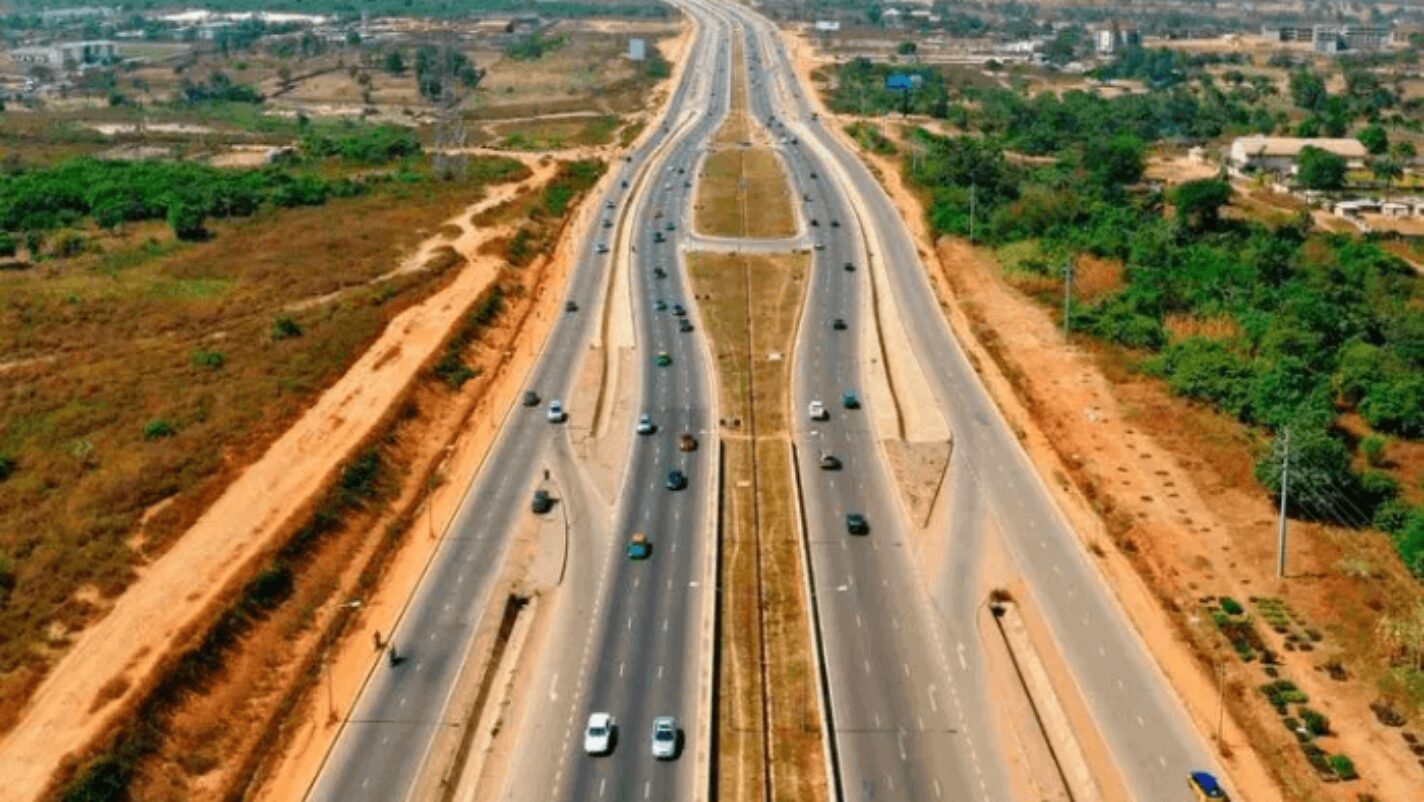
The Ministry of Finance, in a statement released by its Director of Information and Public Relations, Mr. Mohammed Manga, revealed that the funds will support construction from Victoria Island in Lagos to Eleko Village. The project is currently more than 70% complete.
First-of-Its-Kind Syndicated Loan
The transaction is notable not only for its size but for the breadth of international cooperation involved. Deutsche Bank served as Global Coordinator, Initial Mandated Lead Arranger, and Bookrunner, while also participating as a lender. The syndicate includes other prominent regional and international institutions such as:
- First Abu Dhabi Bank – serving as Facility Agent and Intercreditor Agent
- African Export-Import Bank (Afrexim)
- Abu Dhabi Exports Office (ADEX)
- ECOWAS Bank for Investment and Development (EBID)
- Nexent Bank N.V.
- Zenith Bank – through its UK, Paris, and Nigerian offices
The Islamic Corporation for the Insurance of Investment and Export Credit (ICIEC) also played a key role by providing partial political and commercial risk insurance.
Engineering Meets Financing: EPC+F Structure
The highway project is structured as an EPC+F (Engineering, Procurement, Construction + Financing) contract, awarded to Hitech Construction Company, one of Nigeria’s top-tier infrastructure firms. This model blends engineering and financial execution into a single delivery stream, aiming for rapid implementation and private sector involvement in national development.
The Ministry noted that the coastal highway is being built with Continuously Reinforced Concrete Pavement (CRCP) — a durable method engineered to last at least 50 years with minimal maintenance. The project also aligns with international environmental, legal, and social standards following rigorous technical assessments.
Government Hails Investor Confidence
Speaking on the landmark deal, the Minister of Finance and Coordinating Minister of the Economy, Mr. Wale Edun, said the transaction illustrates Nigeria’s renewed credibility in the eyes of global capital markets.
“This deal reflects the success of our macroeconomic reforms and the return of international capital to support Nigeria’s development,” Edun said.
“We are focused on financing infrastructure in ways that are sustainable, transparent, and catalytic. This transaction is a model of that vision in action.”
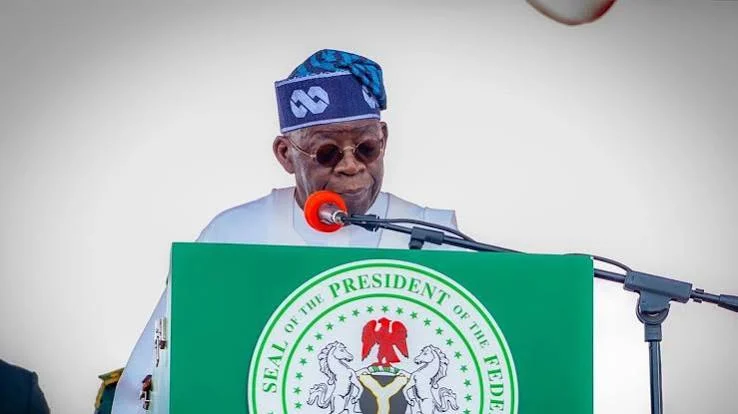
He added that the financing supports President Bola Tinubu’s broader agenda to enhance Public-Private Partnerships (PPPs) and drive sustainable growth through innovative and investor-friendly approaches.
Looking Ahead
The completion of the Lagos-Calabar Highway’s initial phase will serve as a cornerstone of Nigeria’s coastal infrastructure, facilitating trade, easing transport, and potentially stimulating real estate and tourism across multiple states. The government reiterated that this is just one step in a broader national infrastructure agenda.
This move is expected to attract further investment into Nigeria’s infrastructure pipeline while positioning the country as a hub for strategic international partnerships in transport, logistics, and economic development.