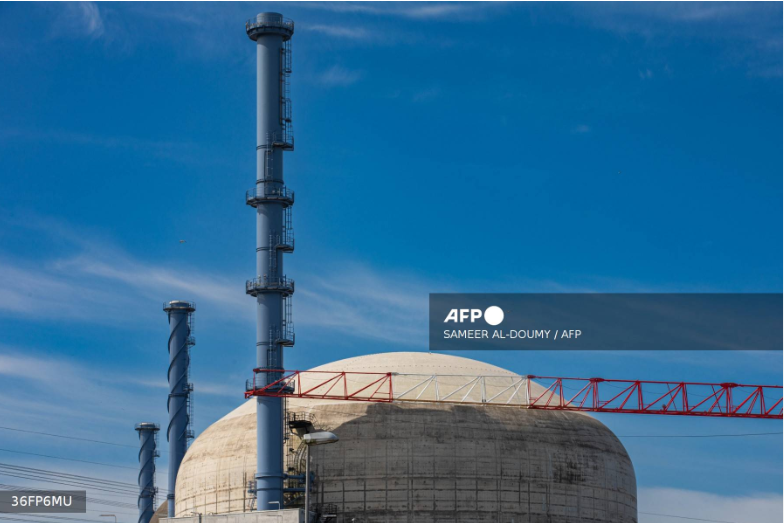
France’s long-delayed Flamanville 3 nuclear reactor resumed operations on Saturday after an automatic shutdown earlier in the week. The European Pressurised Reactor (EPR), located in Normandy, had been halted on Wednesday as part of a complex startup process. This reactor, intended to serve as a model for the future of France’s nuclear energy program, has been plagued by significant delays and cost overruns, finishing 12 years late and with a price tag of €13.2 billion ($14.6 billion).
French state-owned energy company EDF confirmed that the reactor resumed divergence operations on Saturday morning, marking the creation of a stable nuclear reaction. “Teams are resuming activities,” an EDF spokesperson said, adding that the reactor is expected to be connected to the national grid by late autumn.
The automatic shutdown earlier in the week, according to the French nuclear safety authority ASN, was attributed to “human error.” ASN noted that such interruptions may occur as part of the complex process of bringing the reactor online. EDF had already cautioned that additional automatic shutdowns could be expected during this period.
Flamanville 3 is one of several reactors based on the EPR design, with others having been completed in China and Finland. EDF had received regulatory approval from ASN to begin the fission process on Monday, after loading uranium fuel into the reactor in May and conducting extensive tests. The reactor is scheduled to gradually ramp up to 25% of its output capacity before its connection to the power grid.
Once fully operational, Flamanville 3 is expected to be France’s most productive nuclear reactor, generating 1,600 megawatts of power—enough to supply electricity to approximately three million homes. Despite the setbacks, the reactor is seen as a cornerstone of President Emmanuel Macron’s vision for the future of France’s nuclear energy, which remains a critical component of the nation’s energy strategy.
As EDF works to meet its revised timeline, the reactor’s successful integration into the grid will be closely monitored, both in France and across Europe, where nuclear energy remains a contentious yet essential resource for meeting energy needs and reducing carbon emissions.